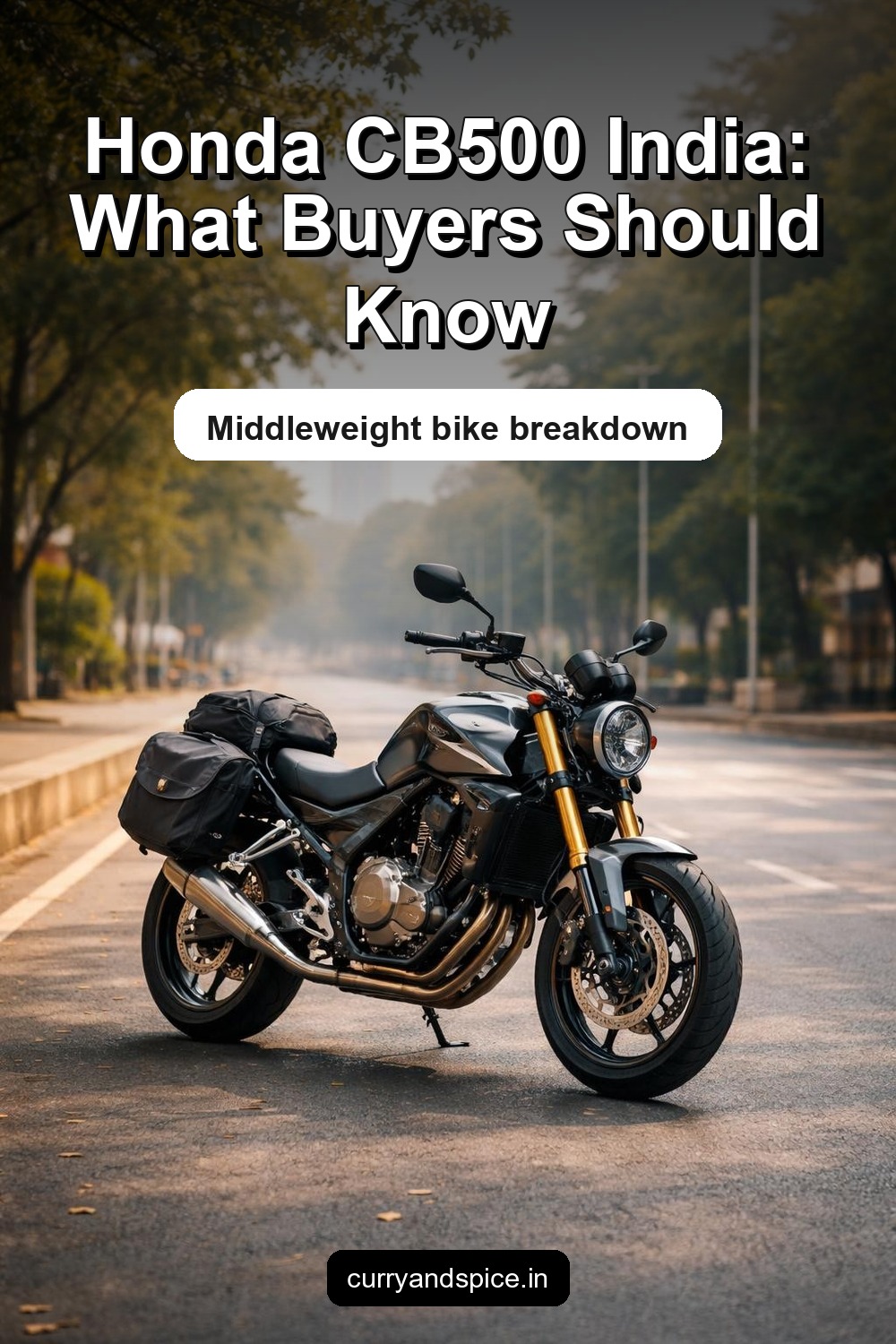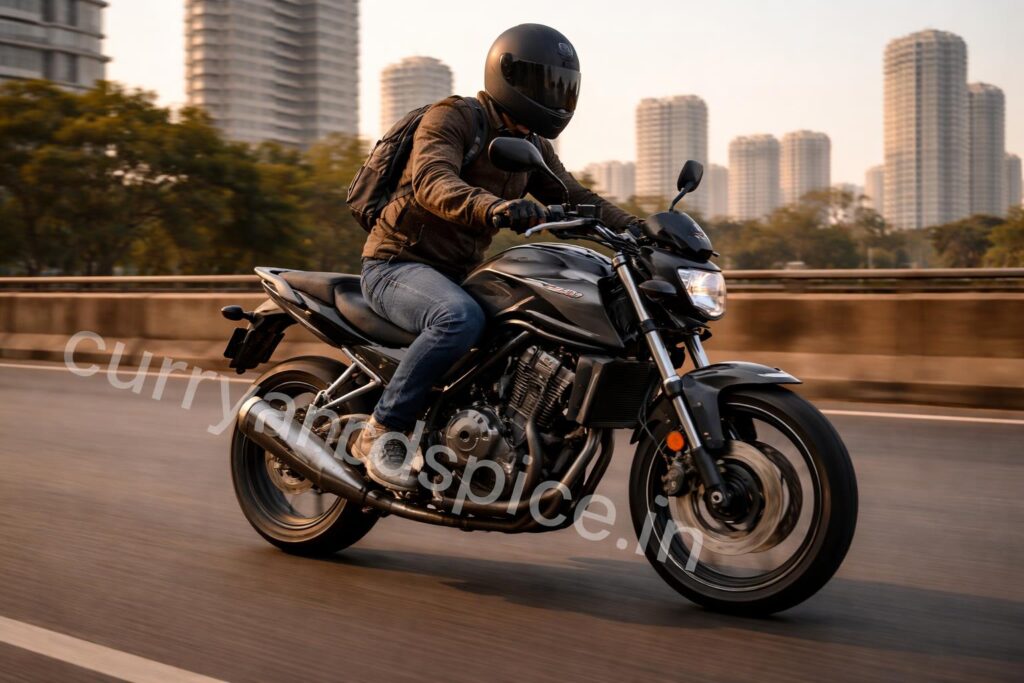
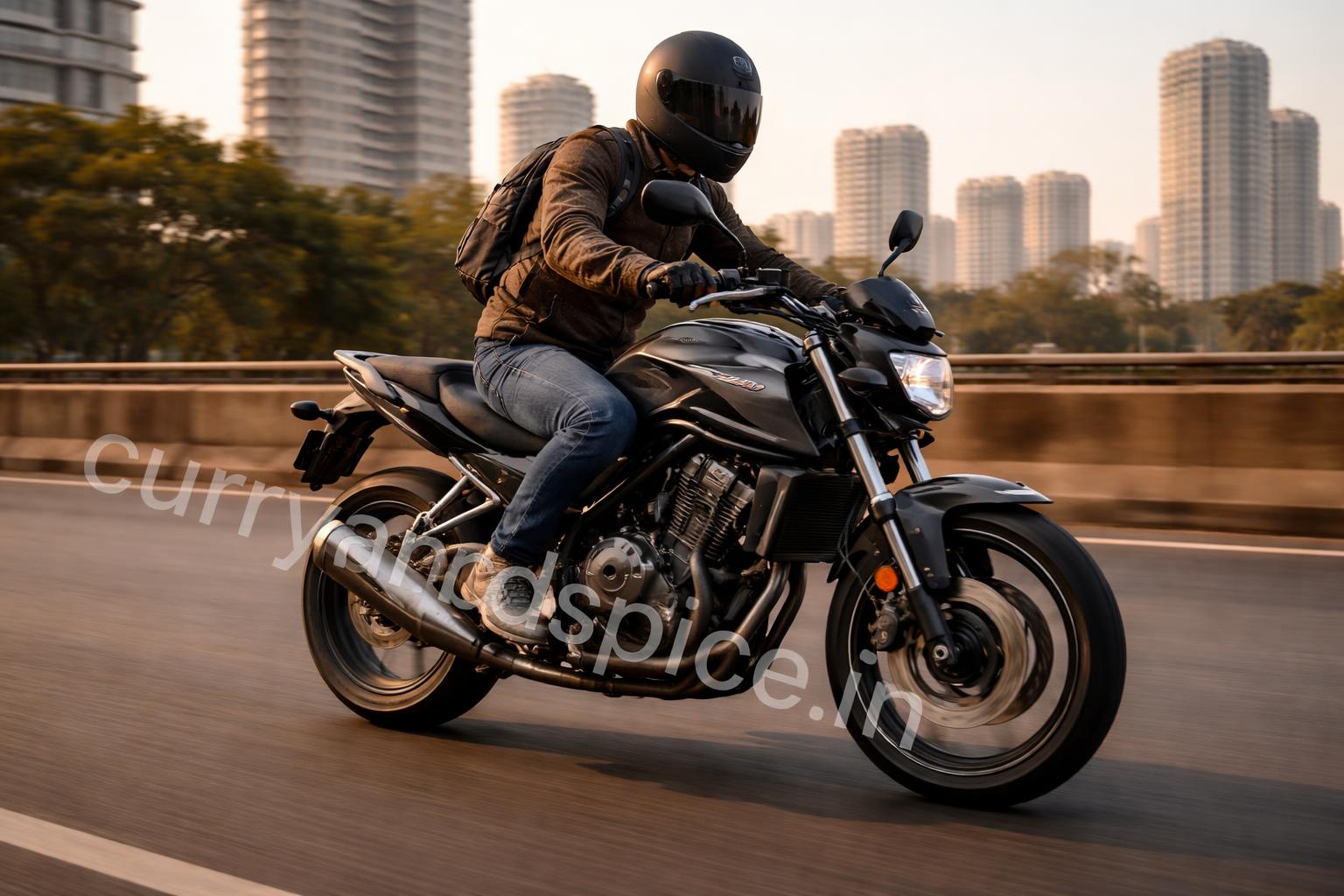
Honda CB500 India is one of those topics that keeps coming back because the idea makes sense almost immediately. A smooth middleweight Honda with friendly power, sensible running costs, and everyday usability would fit a lot of Indian riders, but the real question is whether it would arrive in a form that feels practical instead of just desirable.
If Honda gets the positioning wrong, the bike will end up as a dream on paper and a headache in the showroom. If it gets the pricing or variant strategy wrong, even loyal buyers may look elsewhere.
So the useful part here is not just “will it come,” but what the CB500 family could actually mean for India, where it would sit, and why it matters more than another headline about a premium motorcycle. For context, Honda has already been exploring different segments with models like the Honda ADV 160 launched with premium scooter features and the Honda XR 300L launched as a dual-sport option, which tells you the brand is still very active around lifestyle and adventure products.
Why the CB500 name matters more than it first looks
The CB500 badge has always stood for a simple idea: usable performance without drama. That’s a big deal in India, because many riders want to move up from 150cc or 250cc bikes without jumping straight into something too heavy, too hot, or too expensive to live with.
A CB500 in India would likely appeal to three kinds of riders. First, people who commute during the week and tour on weekends. Second, riders upgrading from smaller street bikes who want better refinement. Third, returning riders who want an easy motorcycle, not a demanding one.
That middle ground is the whole point. The Indian market has plenty of bikes that look exciting on spec sheets, but fewer that stay relaxed in traffic, on bad roads, and on long rides.
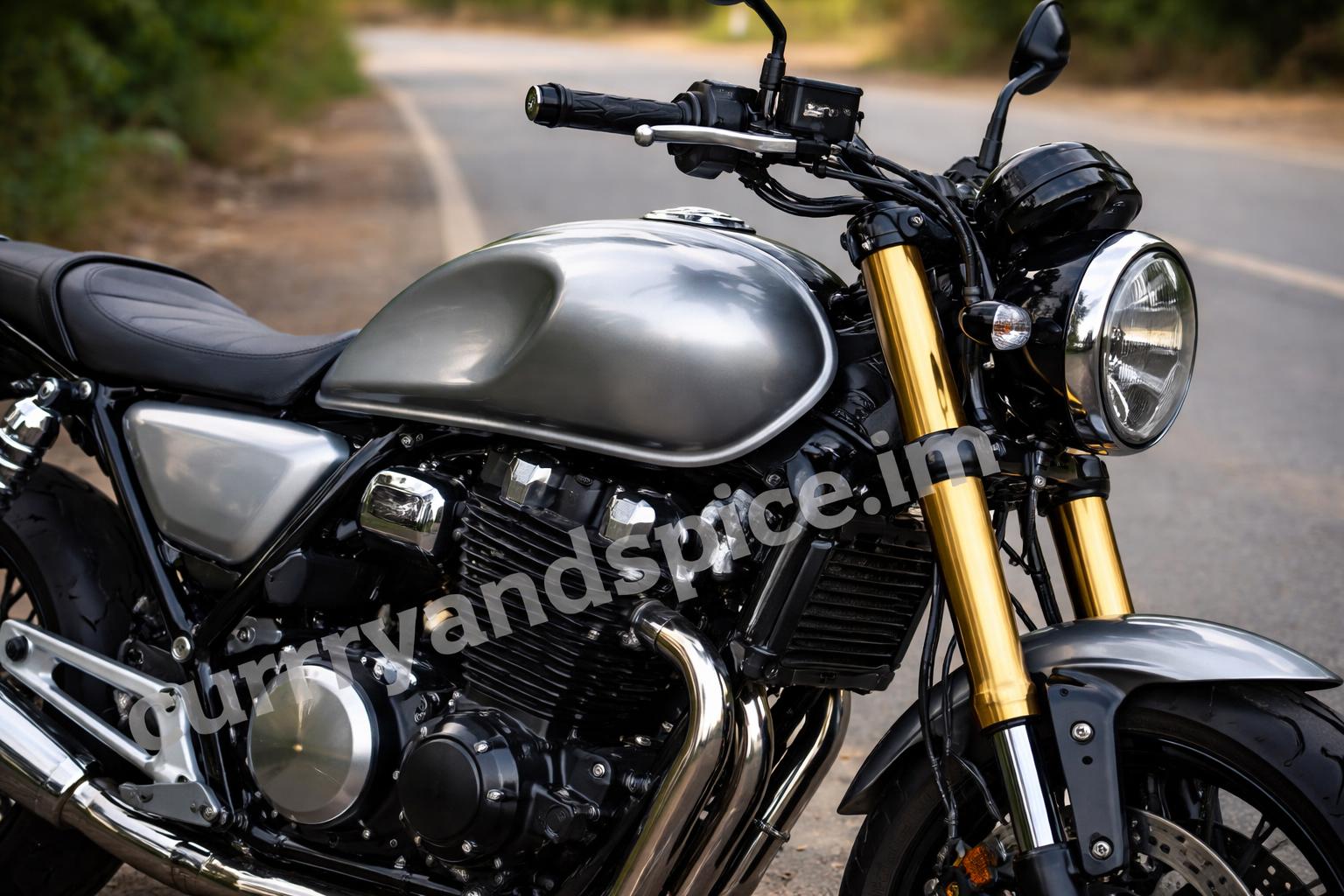
The tricky part is that “500” doesn’t automatically mean big-bike feel in every country. In Honda’s case, it usually means calm power delivery, predictable handling, and a bike that doesn’t ask too much from the rider.
What the CB500 could offer in India
If Honda brings the CB500 family here, the most likely attraction is the engine character. Honda’s twin-cylinder middleweights are generally known for smoothness rather than aggressive punch, and that matters more in daily use than many buyers admit.
On an Indian road, a smooth twin is easier to enjoy than a peaky motor. It’s less tiring in traffic, cleaner in the mid-range, and usually friendlier for touring with a pillion or luggage.
A few things would make the CB500 especially relevant:
- Balanced power for highway runs without feeling overwhelming
- Twin-cylinder refinement that should reduce vibration
- Comfortable ergonomics for daily use and weekend rides
- Honda reliability as a major buying reason
- Premium but not flashy design that works across age groups
That last part is important. A lot of premium motorcycles try too hard to look special. The CB500 formula usually avoids that mistake.
The kind of rider it suits
The CB500 is unlikely to be the first choice for someone who wants an intense sportbike feel. It should be better for someone who wants a motorcycle that feels composed.
That usually means:
- A rider who values comfort over drama
- Someone who wants one bike for city and highway
- A buyer who trusts Honda’s long-term reputation
- A person moving up from a 250cc or 350cc bike
- Riders who prefer ease of ownership over raw numbers
I’ve noticed that this is where many bikes lose people in India. They look perfect in marketing, but day-to-day use reveals the real story. The CB500 has a chance if it stays simple and doesn’t get overcomplicated.
The pricing problem Honda would have to solve
This is where the conversation gets real. A CB500 India launch only makes sense if Honda can place it in a sweet spot that doesn’t clash too awkwardly with bigger bikes or look too expensive next to established middleweights.
The price would depend on import method, local assembly, equipment, and final dealer strategy. Since those details are not fixed here, the smart way to judge any launch is to compare:
- final on-road price, not just ex-showroom
- warranty coverage
- service network support
- availability of parts
- actual fuel tank range
- tire and brake replacement costs
- insurance and accessory pricing
That last point matters more than people think. A premium bike can look acceptable on paper, then become annoying once you add insurance, accessories, and regular maintenance.
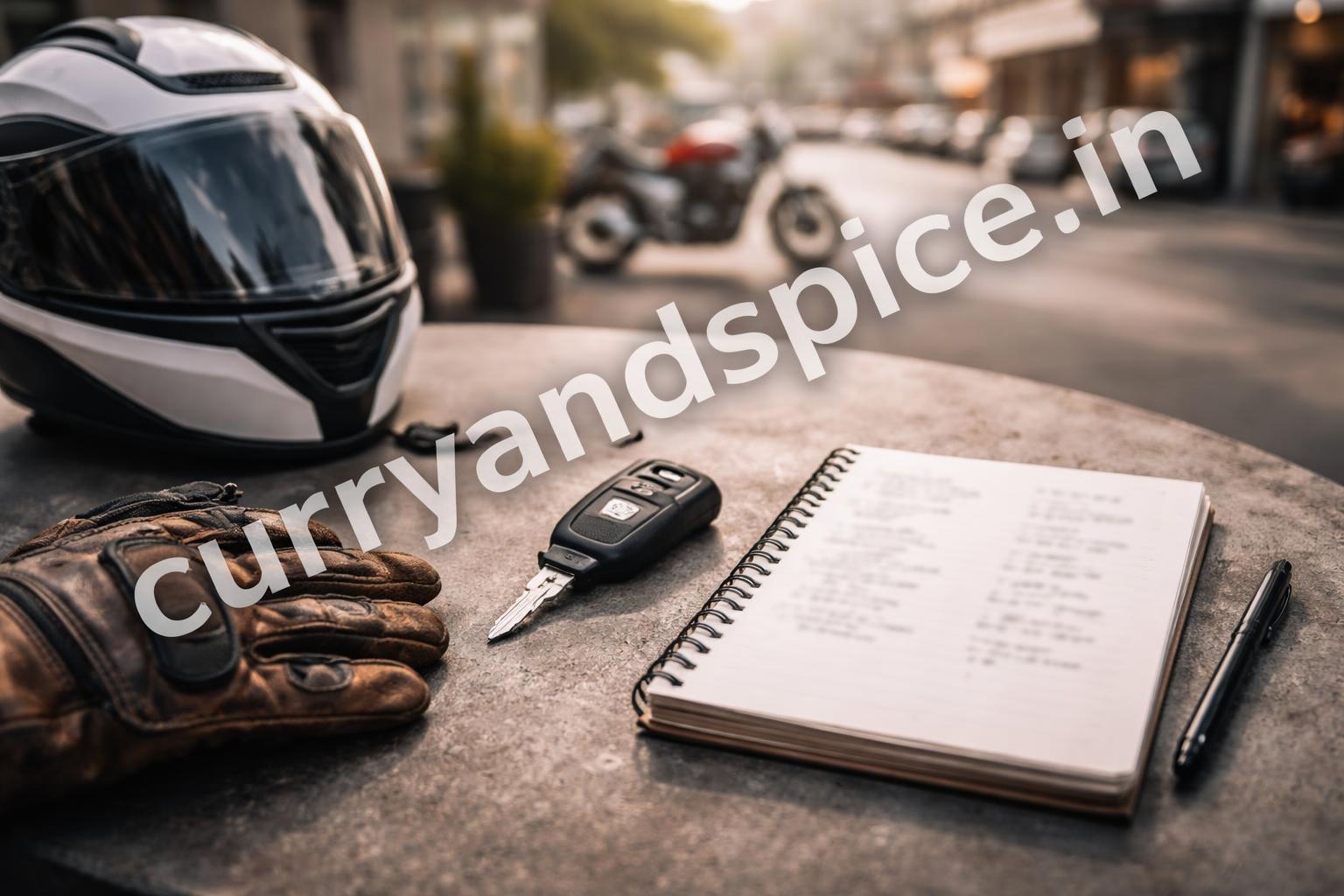
If Honda positions the CB500 too close to larger motorcycles, buyers may simply stretch their budget and move up. If it comes in too high for a middleweight, it becomes a niche product.
So the real test is not just whether the bike is good. It’s whether the full ownership cost makes sense.
How it might compare with bikes buyers already know
The CB500 doesn’t exist in a vacuum. Indian buyers will compare it mentally with several familiar categories, even if the bike itself feels different.
A quick comparison helps:
| Bike Type | What it usually gives you | Where CB500 could win |
|---|---|---|
| 350cc retro motorcycles | Easy ownership, classic feel | Better highway calm and refinement |
| 400cc single-cylinder bikes | Strong low-end punch | Smoother engine character |
| Larger ADVs | Tourer comfort, road presence | Easier handling and simpler daily use |
| Entry-level superbikes | More excitement | Lower stress and likely better usability |
That comparison is useful because buyers don’t shop in isolation. They compare the bike with what they already know they can live with.
The CB500’s real job would be to feel like a step up without feeling like a burden. That’s harder than it sounds.
What Honda should do if it wants the CB500 to work
Honda already understands that India doesn’t reward lazy product planning. A model like the CB500 would need more than a badge and a brochure.
Here’s what would help immediately:
- Local or semi-local assembly, if possible
- A clear variant strategy with no confusing overlap
- Practical accessory packs, not overpriced random extras
- Service intervals that are easy to live with
- Dealer support that can handle premium buyers properly
One thing I learned from watching premium launches in India is that the first-year experience matters a lot. If service advisors don’t understand the bike, or parts take too long, people talk. And in this segment, people talk a lot.
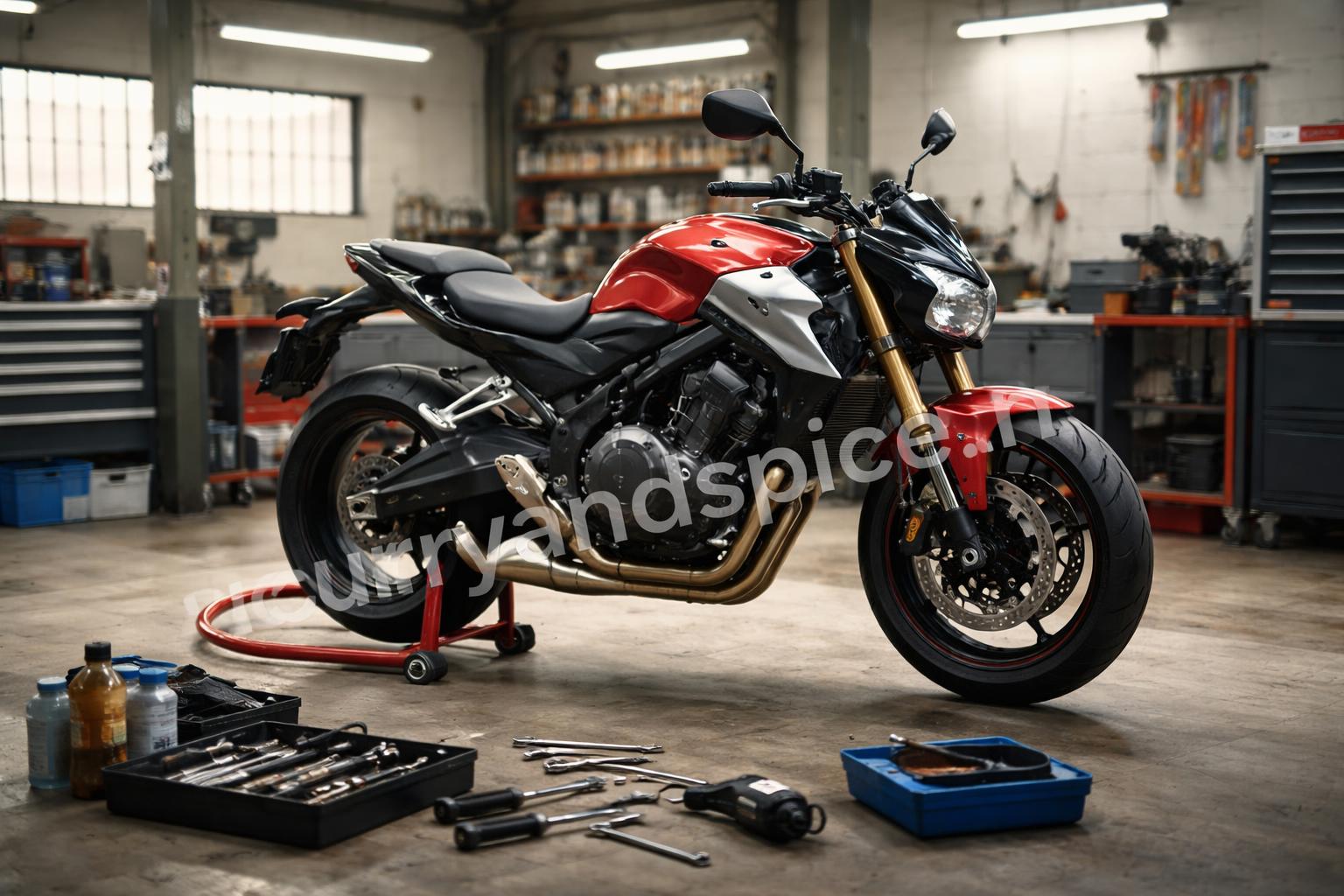
Honda’s premium network has improved over time, but a model like this would still need a cleaner customer experience than the average commuter bike.
The design angle: what Indian buyers are likely hoping for
The CB500 line usually leans toward clean, mature styling. That may not sound exciting at first, but it’s actually one of the reasons many riders trust the family name.
Indian buyers often want a bike that looks premium without screaming for attention. A neat tank, tidy tail section, decent lighting, and quality switchgear can do more than wild bodywork.
That’s the sweet spot Honda should protect.
Not everyone wants a motorcycle that looks aggressive from every angle. Some riders want something they can use daily without feeling overdressed.
The right design also helps in resale. A clean, timeless bike tends to age better than one built around a trend.
Where the CB500 would make the most sense
If Honda had to choose one use case to focus on, it should be mixed riding. That means city roads, ring roads, expressways, and the occasional long weekend route.
The CB500 would make less sense if treated like a pure performance product. Buyers in India are usually too practical for that unless the bike offers real drama.
It could work best as:
- a premium daily rider
- a light touring machine
- a comfort-first upgrade bike
- an easygoing weekend motorcycle
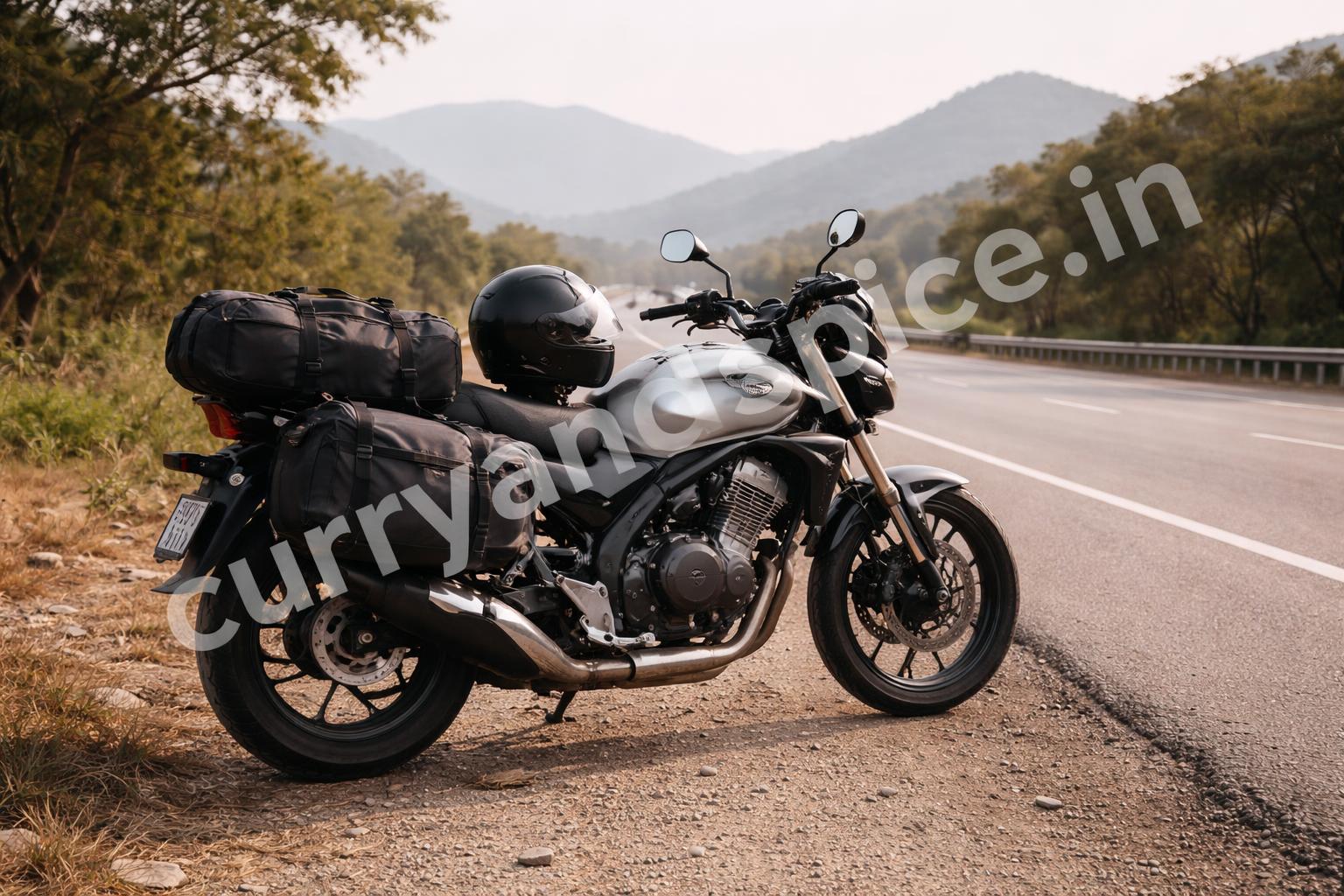
That kind of positioning is safer than trying to make it compete with every other mid-capacity bike at once. A focused bike usually has a better chance than a confused one.
The engine question people keep asking
When riders talk about a Honda middleweight, the engine is usually the first thing they want to know about. And fair enough.
What matters more than raw power numbers is how the bike puts power down. A twin-cylinder setup typically gives smoother roll-on response and less stress at highway speeds. For India, that can be more valuable than a few extra horsepower.
Why smoothness matters here
- Less vibration on long rides
- Easier low-speed control in traffic
- More relaxed cruising
- Better pillion comfort
- A less tiring ownership experience overall
That doesn’t make the CB500 exciting in the same way a sharp twin or a lightweight single can be exciting. But excitement isn’t always the point. Sometimes ease is the selling point, and that’s easier to live with every day.
A realistic buyer’s checklist
If the CB500 lands in India, don’t just look at the badge. Check the small things first.
Before buying, compare:
- seat height and comfort
- clutch feel in traffic
- weight at low speeds
- heat management
- service access
- tank range
- tire costs
- availability of accessories
These are the things that decide whether a motorcycle becomes your favorite machine or just a weekend idea.
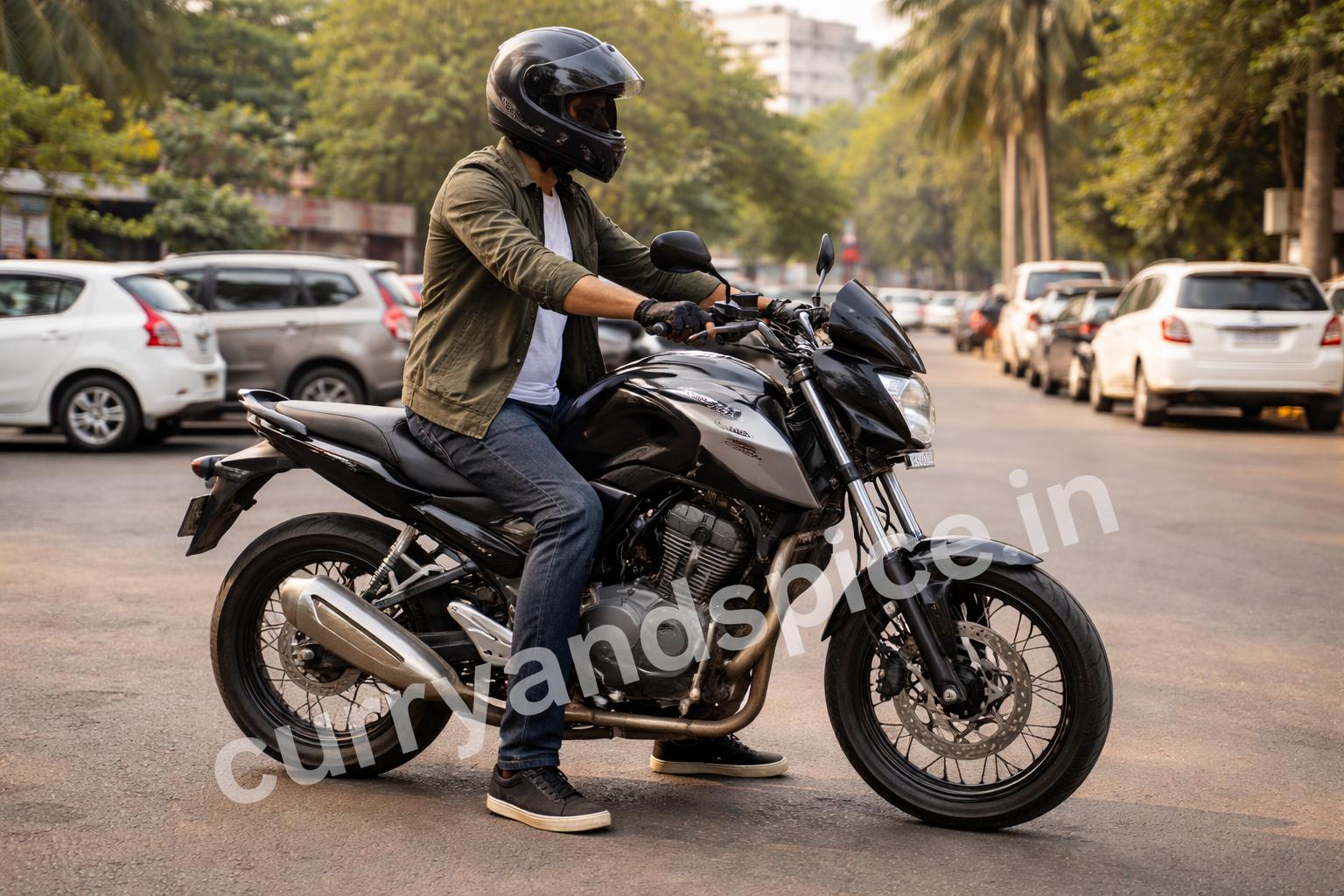
I’ve seen plenty of buyers get distracted by power figures and forget the basics. Then they realize the bike is lovely on an open road but a little tiring in the city. The CB500 should avoid that trap if Honda keeps the geometry friendly.
So, is the CB500 a good fit for India?
Honestly, yes — if Honda treats it like a practical premium bike instead of a prestige object.
That’s the whole story. India already has enough motorcycles that only make sense in brochure terms. What the market still wants is a dependable middleweight that feels calm, usable, and well built.
The CB500 could fit that gap nicely. It would need the right price, the right network support, and the right no-nonsense spec sheet. Without those, it becomes just another name enthusiasts discuss online.
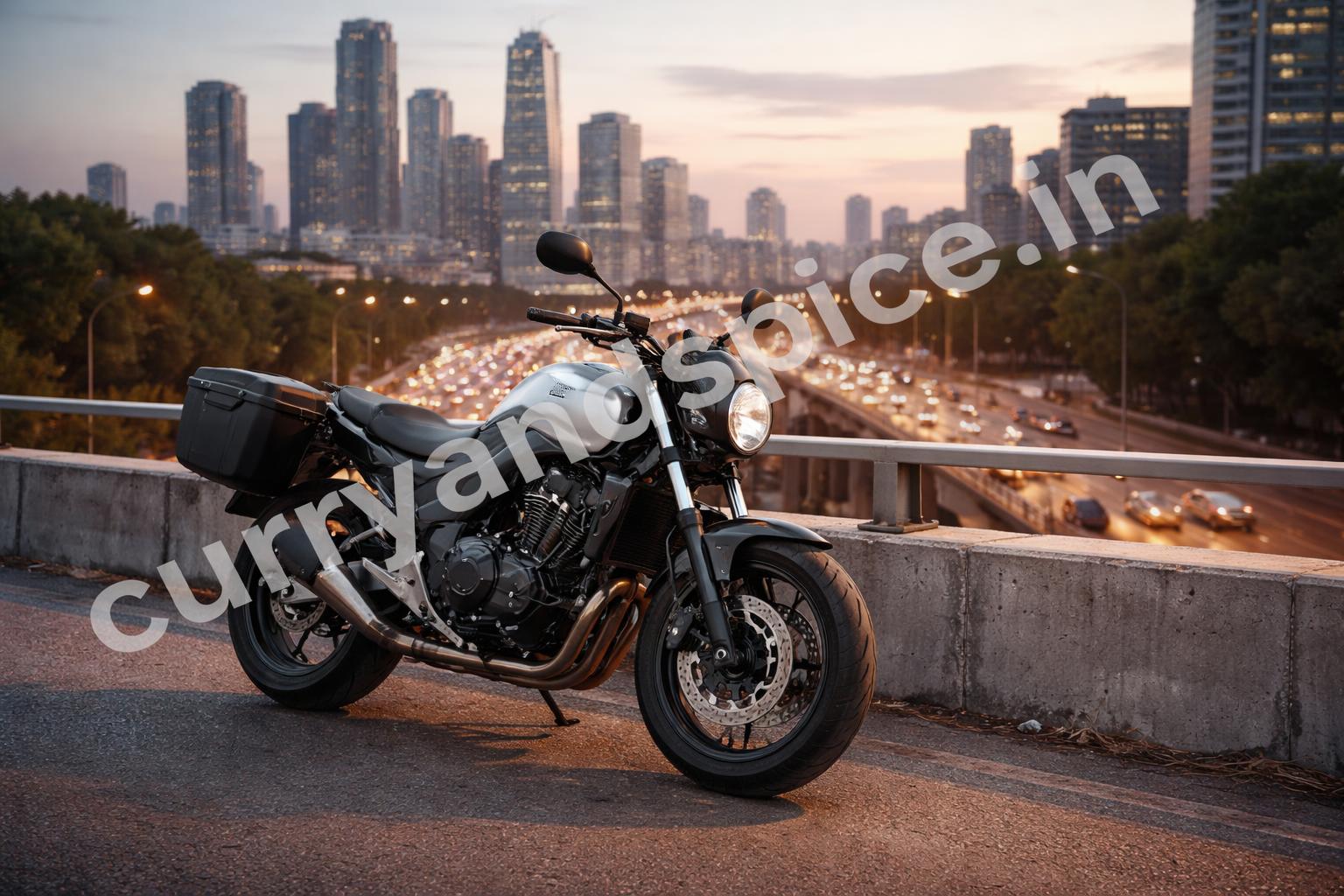
My takeaway is simple: the CB500 has more potential as a thoughtful everyday motorcycle than as a headline-grabbing one. And in India, that’s often the safer path.
If Honda brings it here in the right way, it could become one of those bikes people don’t just admire, but actually keep riding for years.
Save This Guide on Pinterest
Save this image to Pinterest so you can easily return to this guide later.