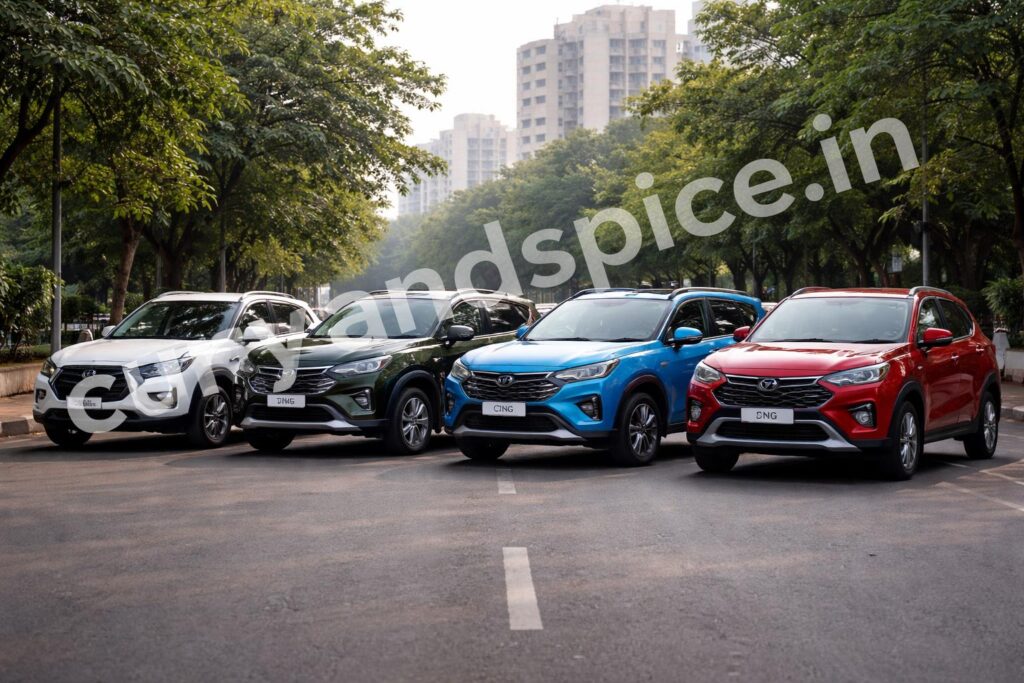
Fuel prices don’t stay friendly for long, and that’s usually when people start looking at CNG again. The catch is simple: not every CNG car feels pleasant to live with, and not every launch is worth the wait.
If you ignore that part, you can end up saving money at the pump but losing patience every day in traffic. That gets old fast. Here’s a practical look at seven upcoming CNG car launches, what they may change in real use, and how to think about them if lower running costs matter more to you than hype.
Why CNG is getting attention again
CNG has always made sense on paper. The running cost is lower, the fuel burn feels calmer, and the savings show up over time instead of in one big dramatic way.
But the real reason people are watching new CNG launches now is that the segment is moving beyond basic hatchbacks. More brands are trying CNG in SUVs, crossovers, and better-equipped family cars, which changes the conversation a lot.
That matters because most buyers don’t just want cheap commuting. They want a car that can handle school runs, office traffic, weekend groceries, and maybe one outstation trip now and then. A CNG car that only saves money but feels stripped out won’t appeal to everyone.
One thing I’ve noticed is that people often compare CNG cars only by mileage. That’s a mistake. You should also look at boot space, cylinder placement, service network, and how the car behaves when it’s fully loaded.
1) Maruti Suzuki Brezza CNG
The Brezza is already one of the easiest compact SUVs to recommend to practical buyers, and the CNG version makes even more sense for anyone who drives a lot in the city.
The big change here is not just lower fuel cost. It’s that you get the familiar Brezza shape, higher seating position, and mainstream Maruti ownership experience with a fuel option that should reduce monthly stress. That combination is exactly why this model gets attention.
For a closer look at the current CNG version and how Maruti has positioned it, you can check this Maruti Suzuki Brezza CNG launch coverage.
What makes the Brezza CNG interesting is how it fits into a real household. It’s not trying to be a stripped taxi-style commuter. It’s trying to be an everyday SUV that doesn’t punish you at the fuel station.
Practical takeaway: if your driving is mostly city-based with a few highway stretches, this is the kind of CNG SUV that can feel sensible without feeling like a compromise every time you sit inside it.

What buyers should watch
- Boot space with the CNG tank in place
- Power feel when the car is fully occupied
- Variant pricing, because CNG trims can move too close to petrol variants
- Service availability, which still matters more than brochure claims
The first thing many people forget is luggage space. You don’t notice it until you’re packing for a family trip and suddenly the cylinder layout starts deciding what fits.
2) Tata Punch CNG
The Punch already has a strong identity because it looks rugged and feels easy to drive in tight city spaces. A CNG version makes a lot of sense for buyers who want lower running costs but don’t want to step down to a tiny hatchback.
What changes in real life? Mostly the daily use case. The Punch suits short commutes, crowded roads, and frequent stop-go traffic, which is exactly where CNG usually feels most comfortable.
The likely appeal here is simple: SUV-ish stance, small footprint, lower fuel bill. That’s a pretty nice mix for first-time buyers and families that want one city car to do everything.
Still, the question with any CNG Punch is how it handles the extra system weight and whether the cabin and luggage usability stay friendly enough for daily life. Those details matter more than the launch buzz.
I’ve seen buyers get excited by the “SUV look” and then regret it later when the boot feels too compromised. That surprise usually comes after booking, not before.
3) Hyundai Exter CNG
The Exter is already aimed at people who want a compact but better-featured small car. Add CNG to that formula and it starts sounding like a very sensible city package.
Where the Exter could stand out is in its equipment-heavy approach. Hyundai usually understands that many buyers want convenience features even in affordable cars, not just fuel savings. That makes the CNG version worth watching closely.
If the trim mix is sensible, the Exter CNG could become the choice for people who drive a lot but don’t want their car to feel basic. That’s not a small thing. A lot of CNG options save money but also feel like they save money everywhere else too.
Good sign: if the brand keeps the cabin usable and the feature list balanced, the Exter CNG could be one of the easier recommendations in the category.
Quick note on CNG crossovers
CNG is more attractive in a car like the Exter when the brand respects everyday usability.
That means:
- usable rear seat space
- decent visibility
- sensible storage
- not too much compromise in the boot
If one of those goes missing, the savings start feeling less exciting.

4) Tata Nexon CNG
This is the one that really changes the conversation. A Nexon with CNG is interesting because the Nexon is already a serious volume player in the compact SUV space, and buyers in this segment care about more than just fuel efficiency.
They want safety, road presence, and a cabin that doesn’t feel cheap. If Tata gets the CNG package right, the Nexon CNG could pull in buyers who were never serious about CNG before.
The real advantage is obvious: if you cover heavy daily distances, a CNG Nexon can bring down running costs without forcing you into a tiny car. That’s a big deal for office commuters and family users alike.
But there’s always a catch with a larger CNG SUV. You need to check whether the tank setup affects boot practicality too much, and whether the car still feels strong enough in city traffic when loaded with passengers.
This is the kind of launch where the brochure will look good, but the ownership details will matter even more.

5) Hyundai Venue CNG
The Venue is another compact SUV that could make a lot of sense with CNG, especially for buyers who like a more urban, easy-to-manage shape.
Venue buyers usually care about city convenience, features, and a slightly premium feel for the size. That’s why a CNG version would be interesting if Hyundai doesn’t strip it too far back.
A Venue CNG would likely appeal to people who want to keep monthly fuel expenses under control while still getting a car that feels a bit more grown-up than a hatchback. And honestly, that’s a reasonable ask.
The trade-off is familiar. You’ll want to see whether the CNG setup keeps the car practical enough for family use, and whether the pricing stays inside the zone where the savings still make sense.
Rule of thumb: if the CNG premium over petrol is too high, the payback period can get longer than most people expect.
A small mistake buyers make is assuming “CNG = automatic savings.” It doesn’t work that cleanly. The final calculation depends on daily distance, price gap, and how long you plan to keep the car.
6) Maruti Suzuki Fronx CNG
The Fronx already has a strong appeal because it looks a bit more stylish than a regular hatchback, while still staying easy to live with. A CNG version would probably be one of the more popular launches if Maruti gets the packaging right.
Why? Because Fronx buyers tend to care about image as much as practicality. They want a car that looks newer, feels a bit premium, and still doesn’t eat fuel every month.
That’s where the Fronx CNG could fit nicely. It could become the middle path for buyers who think a basic CNG hatchback is too plain but a full SUV feels too expensive or too bulky.
You’ll still want to watch the usual things closely:
- Boot usability
- Variant spread
- Real-world mileage
- Engine refinement in CNG mode
The last one is easy to overlook. A car can be frugal and still feel tiring if the engine note gets coarse or the performance drops too much in everyday traffic.

7) Toyota Taisor CNG
The Taisor, being closely related to the Fronx, is also a natural candidate in the CNG space. And if Toyota positions it well, it could attract buyers who want a more polished ownership experience with lower daily running costs.
Toyota usually sells trust first and features second. That can work well in CNG, because many buyers in this space care a lot about long-term reliability and service confidence.
A Taisor CNG would likely appeal to someone who wants the same basic practicality as the Fronx-type formula, but with a Toyota badge and the kind of brand reassurance that often matters more than people admit.
The important thing here is not just launch timing. It’s how Toyota prices and equips the car. A well-priced CNG Taisor could be a smart alternative for buyers who don’t mind paying a bit more for peace of mind.
One thing I learned from watching this segment is that the badge often changes the decision more than the engine does.
How to judge these launches before booking
A lot of buyers get stuck on the excitement of “new launch” and forget to check the boring stuff. That’s where bad decisions happen.
Here’s the simple way I’d compare any upcoming CNG car:
| What to check | Why it matters |
|---|---|
| Final on-road price | The showroom number never tells the full story |
| Boot space | CNG tanks can affect travel usability |
| Mileage in city use | That’s where most CNG owners actually save money |
| Service network | Lower running cost means little if repairs are inconvenient |
| Variant value | Mid trims often give the best balance |
| Passenger comfort | A cheap car that feels cramped gets annoying fast |
If you want a more feature-focused roundup of compact SUVs, this premium-feeling SUV launch list under ₹20 lakh is worth browsing too, especially if you’re cross-shopping CNG-ready models with regular petrol SUVs.
A quick buying habit that helps
Don’t compare brochure mileage alone.
Compare the final running cost per month, the expected fuel price gap, and the distance you actually drive. That gives you a much more realistic picture than headline numbers.
What these launches say about the market
The big shift is that CNG is no longer being treated like a backup option for only the most basic cars. It’s moving into cars people genuinely want to buy, not just cars people buy to save money.
That’s important because it changes the emotional side of the purchase. A buyer can now look at a CNG SUV or crossover and not feel like they’re settling.
Of course, the compromise hasn’t disappeared. You may still deal with slightly less boot space, a different driving feel, and trim-level trade-offs. But if the overall package is better, many buyers will happily accept that.
The sweet spot is simple: a car that feels normal to use, yet noticeably cheaper to fuel.
That’s what makes these upcoming launches worth watching. Not because CNG is new, but because it’s finally being used in cars that feel more complete.
Final thought
If I were tracking this segment closely, I’d focus less on the launch hype and more on the everyday details. The best CNG car is usually not the one with the flashiest features list. It’s the one that saves money without asking you to keep making excuses for it.
That’s the real test, and it’s the one that matters after the excitement wears off.
Save This Guide on Pinterest
Save this image to Pinterest so you can easily return to this guide later.