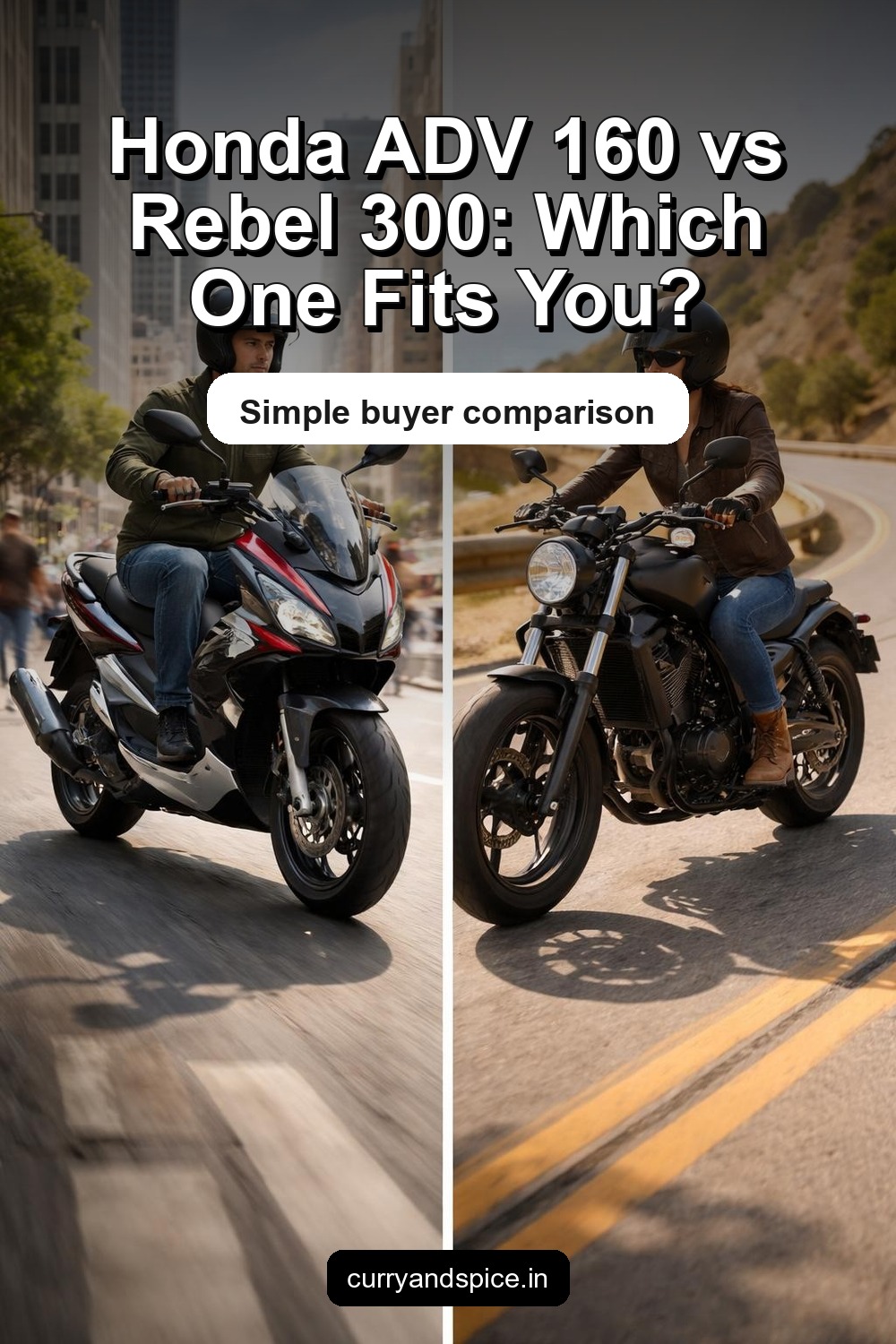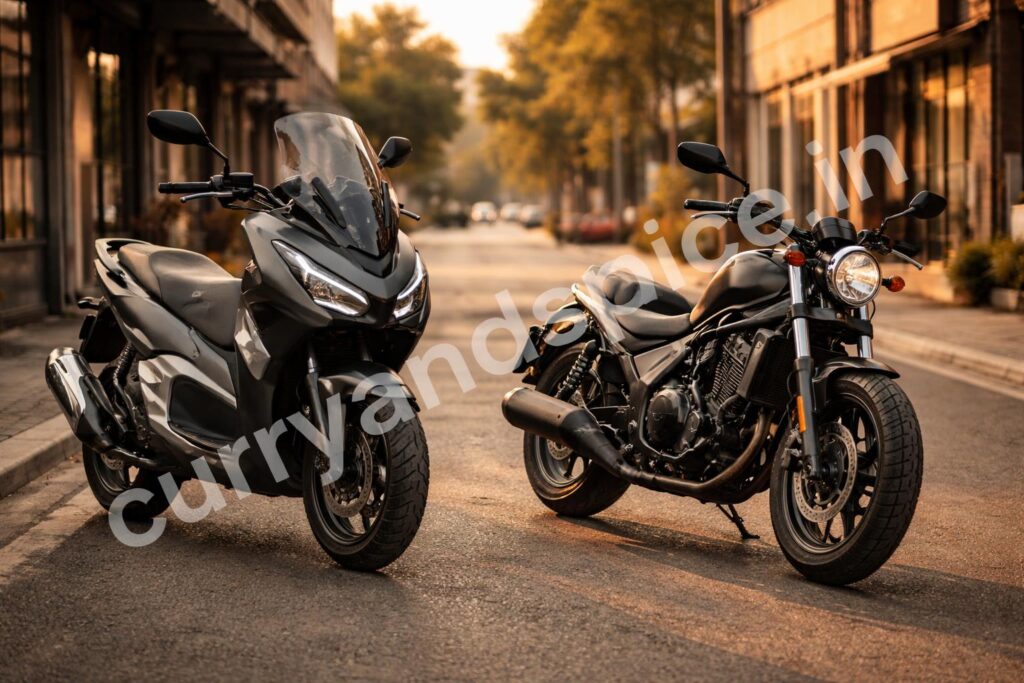
The scooter-motorcycle middle ground Honda keeps getting right
Some vehicles make sense only after you live with the traffic, the potholes, and the odd long stretch of open road. The Honda ADV 160 and Rebel 300 sit in that strange but useful space where one is built to feel easy every day, and the other is built to feel calm and low-stress in a way most small cruisers aren’t.
If you ignore that difference, you end up shopping by badge alone, and that usually leads to disappointment. What follows is a practical look at what each one actually feels like in the real world, where the ADV 160 is best, where the Rebel 300 makes more sense, and how to compare them without getting distracted by spec-sheet noise.
First, the Honda ADV 160
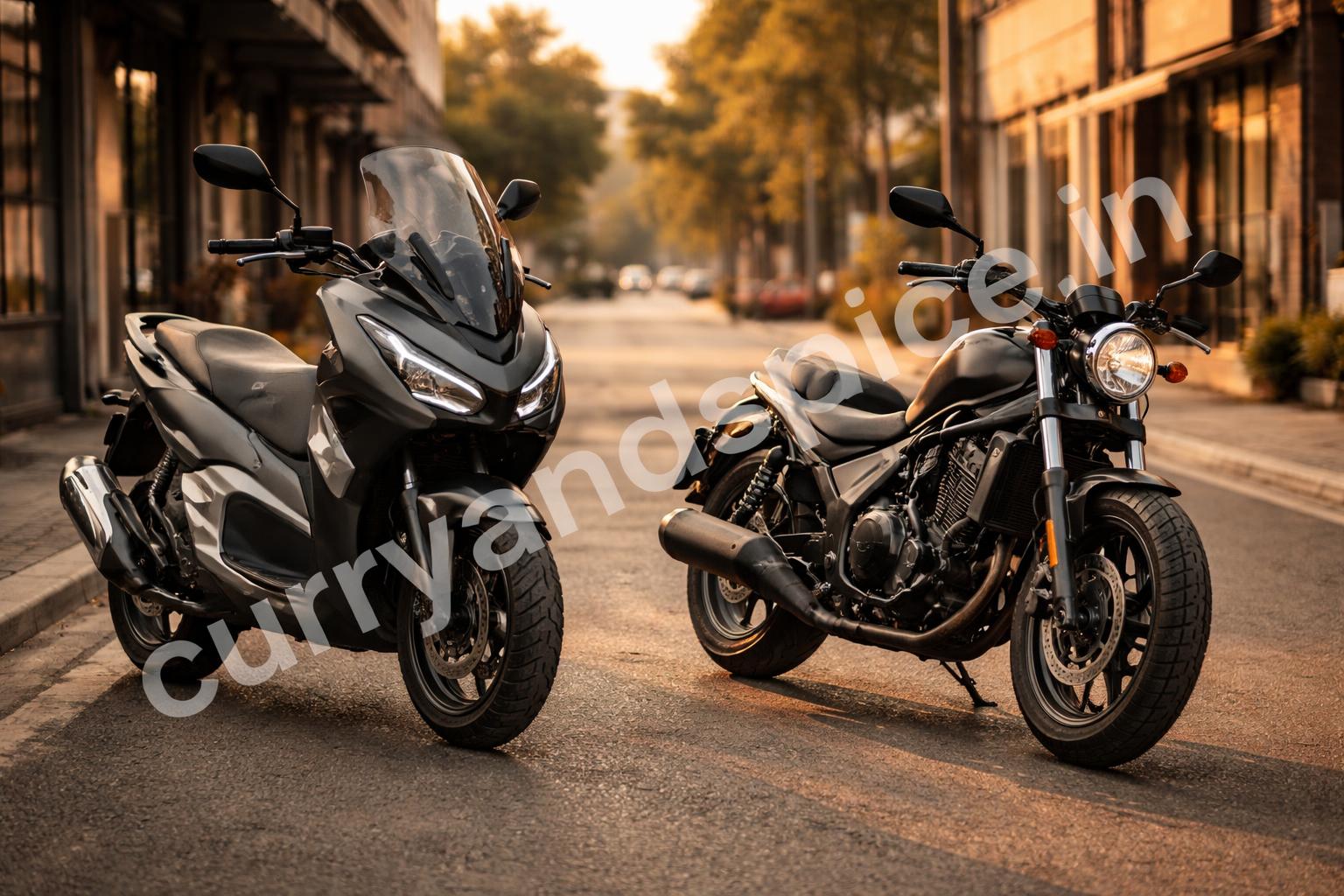
The ADV 160 is Honda’s idea of a scooter that doesn’t want to look or feel too polite. It has the upright stance, long-travel suspension style, and adventure-flavored bodywork that make it stand out immediately.
That shape changes the whole mood. You sit higher than on a normal scooter, you get a better view over traffic, and the bike feels more relaxed when the road surface isn’t perfect. It’s still a scooter, though, so the use case stays very clear: easy commuting, easy parking, and easy living with daily stop-and-go riding.
A useful place to check Honda’s own positioning is the official Honda ADV 160 model page, because it shows the design direction and major equipment details without the usual dealer fluff.
What the ADV 160 does well
The biggest win here is simple: it makes rough city riding less annoying.
That matters more than people admit. A scooter that handles broken pavement better doesn’t just feel “premium.” It saves your mood on the way to work, and that counts for a lot if you ride often.
A few things stand out:
- Upright riding position that reduces the cramped feeling many scooters give.
- Higher stance that helps you deal with speed bumps, ruts, and uneven roads.
- Automatic convenience that keeps the whole thing effortless in traffic.
- Adventure styling that looks tougher without trying to be a full-on ADV bike.
One thing I’ve noticed with this style of scooter in general is that the higher seat and bodywork can feel a little tall at first, especially if you’re used to smaller step-through scooters. That’s not a deal-breaker, but it’s worth knowing before you assume it’ll feel instantly familiar.
Where the Rebel 300 goes in a different direction
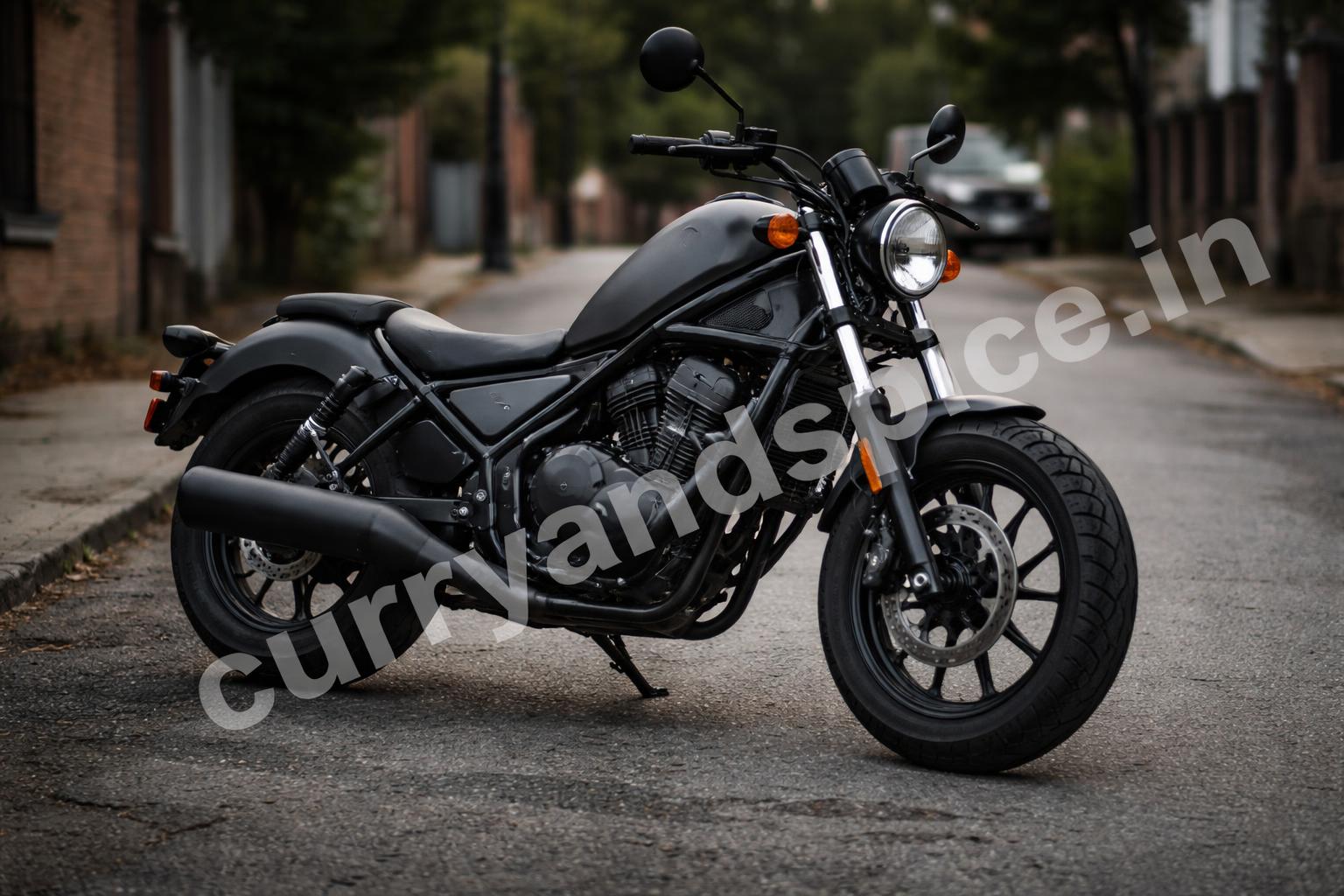
The Honda Rebel 300 is almost the opposite kind of machine, even though it sits in the same “easy entry” conversation for many riders. It’s a light cruiser, low to the ground, and built around comfort, control, and a relaxed riding posture.
The low seat height is a huge part of the appeal. It makes the bike feel approachable, especially for newer riders or anyone who just wants both feet planted more confidently at stops. The whole layout is cleaner and simpler than the ADV’s upright scooter form.
For readers who want the official specs and trim details, Honda’s Rebel 300 motorcycle information is the best starting point.
What the Rebel 300 feels like in use
The Rebel 300 doesn’t try to chase excitement in the usual sense. It’s more about calm, predictable riding.
That can sound boring on paper, but on the road it often feels like the smarter choice. The low center of gravity helps in parking lots and U-turns, and the cruiser geometry makes the bike feel settled instead of twitchy.
What tends to surprise people is how much confidence a low seat can create. If you’ve ever felt awkward balancing a taller bike at a stop, the Rebel 300 solves a real problem before it starts.
ADV 160 vs Rebel 300: the difference that actually matters
These two aren’t direct twins, but they do overlap for riders who want approachable Honda two-wheelers without going big. So the real question is not which one is “better.” It’s which lifestyle fits you better.
Here’s the short version:
| Factor | Honda ADV 160 | Honda Rebel 300 |
|---|---|---|
| Riding style | Upright scooter | Low cruiser |
| Best use | Daily commuting, mixed roads | Leisure rides, relaxed city travel |
| Seat feel | Higher and more commanding | Lower and easier to flat-foot |
| Traffic use | Very easy | Easy, but more bike-like |
| Road comfort | Better on broken roads | Better for smooth, relaxed cruising |
| Learning curve | Scooter-simple | Motorcycle-simple, but more traditional |
The ADV 160 is the better tool for practical urban riding.
The Rebel 300 is the better tool for riders who want a calmer, more classic feel.
That’s the real split. Not power. Not badge appeal. Not marketing language.
Engine and performance: don’t overcomplicate it
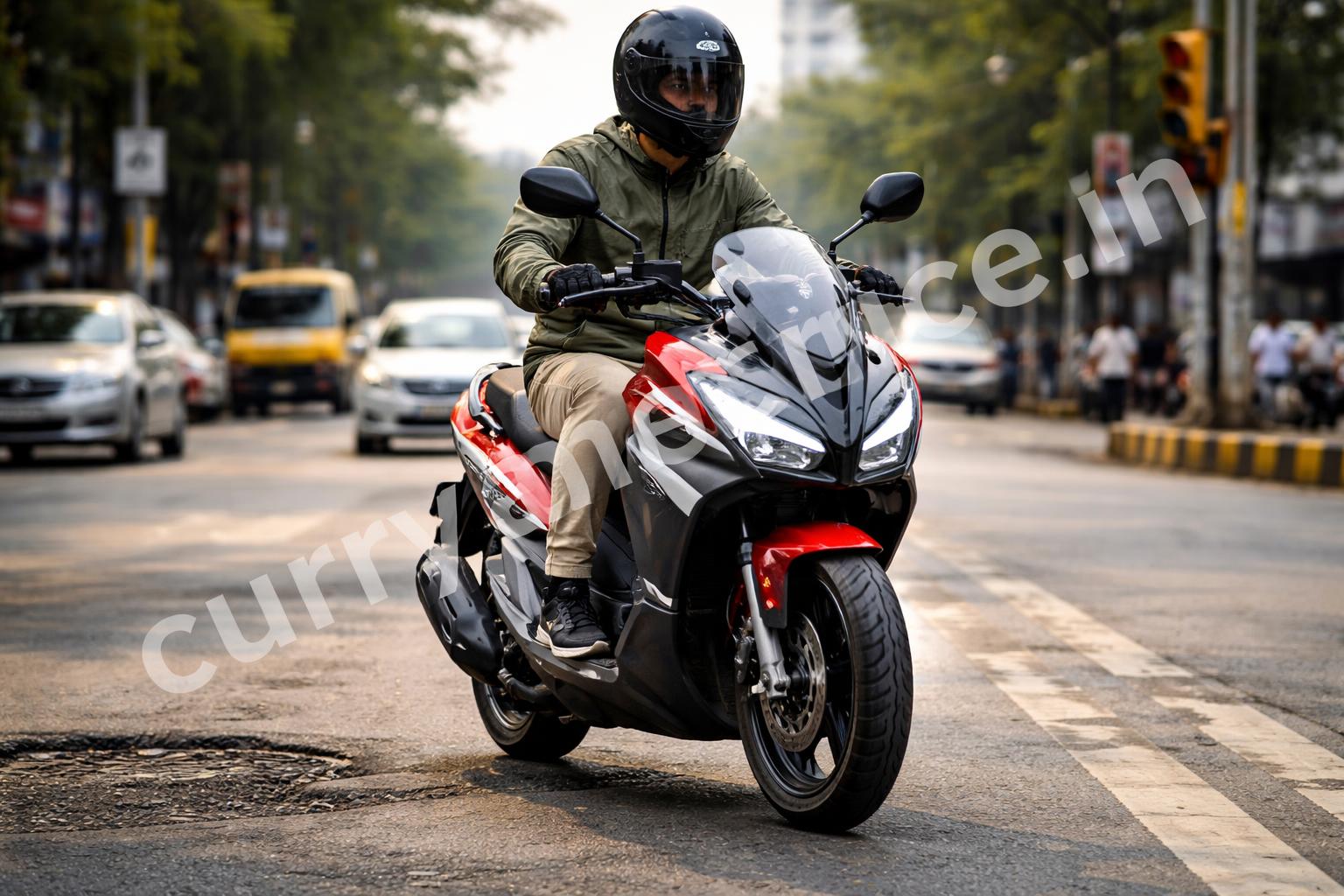
The ADV 160 uses Honda’s 156cc eSP+ engine setup, and the Rebel 300 uses a 286cc-class single-cylinder engine. Those numbers tell part of the story, but not all of it.
The ADV 160’s smaller engine fits its role. It’s meant to be smooth, efficient, and easy to live with. In a city commute, that often matters more than chasing a bigger displacement number. The bike’s character is about quick responses and low-drama movement, not sporty bragging rights.
The Rebel 300, meanwhile, gives you more of that classic motorcycle feeling. There’s more engine presence, more road-going personality, and a relaxed pull that suits longer, calmer rides better.
A practical note: if your riding is mostly slow traffic and short hops, the Rebel’s extra capacity won’t always feel necessary. But if your routes include faster roads, that larger engine size can make the bike feel less strained.
Pick the engine based on your route, not your ego. That sounds obvious, but people forget it all the time.
Comfort, seat height, and everyday ease
This is where the decision becomes personal fast.
The ADV 160 puts you higher up, which helps visibility and makes the scooter feel more commanding. The tradeoff is that taller riders may like it, while shorter riders may need a bit more caution when stopping or backing up.
The Rebel 300 does the opposite. It puts the rider low and planted, which makes it feel friendly at low speed. That doesn’t just matter for beginners. It also helps in tight parking spaces, stop-and-go traffic, and those awkward moments when you’re moving the bike around by foot.
A small but important lesson
I’ve seen people overlook seat height because it doesn’t sound exciting. Then they spend months fighting the bike at every stop.
That gets old quickly. A comfortable seat height doesn’t just help with confidence. It changes how often you actually enjoy riding.
Which one fits which rider?
This part is easier if you think in habits, not horsepower.
Choose the ADV 160 if you want:
- a scooter that feels a little more rugged
- easier daily commuting
- better confidence over bad road patches
- automatic convenience
- a modern urban look with a bit of attitude
Choose the Rebel 300 if you want:
- a low seat and planted feel
- a simple, relaxed motorcycle
- a bike that’s friendly at low speeds
- a calmer ownership experience
- cruiser styling without the bulk of a big V-twin
The interesting thing is that both bikes are approachable, just in different ways. The ADV 160 is approachable because it removes effort. The Rebel 300 is approachable because it removes intimidation.
That’s a meaningful difference.
What people often miss when comparing these two
Most shoppers start with looks, then jump straight to engine size. That’s normal, but it can hide the real ownership difference.
One thing people don’t realize soon enough is how much daily convenience shapes satisfaction. A scooter that’s easy to hop on, easy to park, and easy to thread through traffic gets used more often. A cruiser that feels solid and low gets enjoyed more on slower, deliberate rides.
So the “best” bike may simply be the one you’ll actually take out without thinking about it.
A quick checklist helps here:
- If your roads are messy, favor the ADV 160.
- If your rides are slower and smoother, favor the Rebel 300.
- If you want maximum ease in traffic, the scooter wins.
- If you want a more traditional bike feel, the cruiser wins.
Practical buying advice without fake price talk
I’m not going to invent a current price for either model, because that changes too often and varies by market. What matters more is the final number you actually pay.
When you compare offers, look at:
- On-road price, not just the sticker.
- Shipping or dealer prep fees.
- Insurance and registration.
- Accessory bundles you may not really need.
- Warranty support and seller trust.
That last one is easy to ignore, but it matters. A slightly cheaper deal from a weak seller can become expensive if parts, service, or delivery turn into a headache.
If you’re comparing listings across regions, keep an eye on official product details from Honda and compare them against the exact trim offered by the seller. Small differences in equipment can change the value more than the headline price.
A simple way to decide without second-guessing yourself
If you still feel stuck, use this rule:
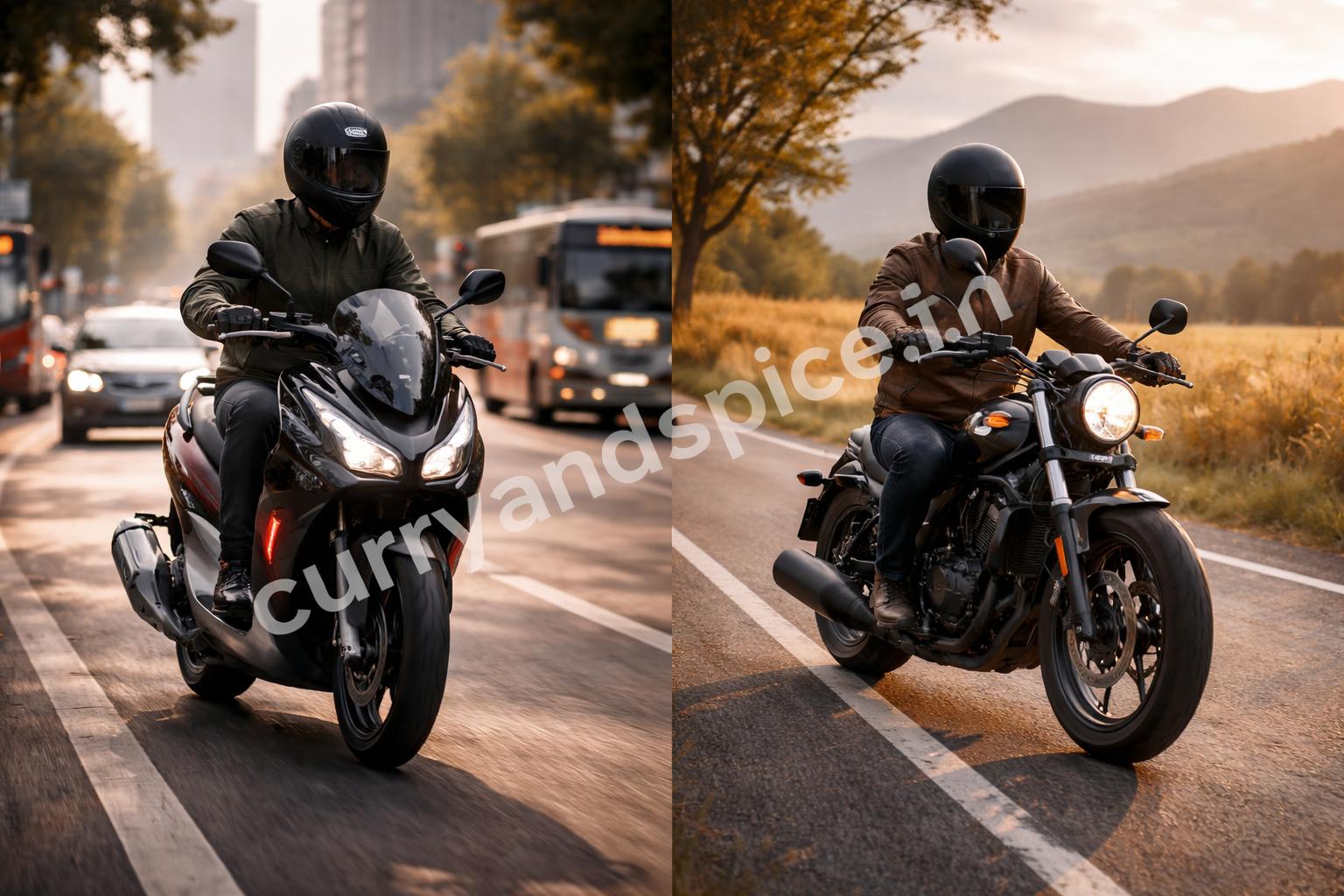
- Mostly city, rough roads, and daily errands? Buy the ADV 160.
- Mostly relaxed rides, smoother roads, and a lower seat? Buy the Rebel 300.
That’s the cleanest answer I can give.
I also think people underestimate how much “fit” matters in the first month. A bike that seems slightly more convenient on paper often becomes the one you reach for every day. And once that happens, the decision stops being theoretical.
Final takeaway
The Honda ADV 160 and Rebel 300 are both easy to like, but for very different reasons. The ADV 160 feels like a smarter daily companion, while the Rebel 300 feels like a calmer, more grounded motorcycle with a better sense of presence.
If you’re buying with your head, the ADV 160 often makes the stronger city case. If you’re buying with your shoulders down and your pace slowed a bit, the Rebel 300 may suit you better.
Either way, the best choice is the one that matches how you really ride, not how you wish you rode on a perfect day.
Save This Guide on Pinterest
Save this image to Pinterest so you can easily return to this guide later.