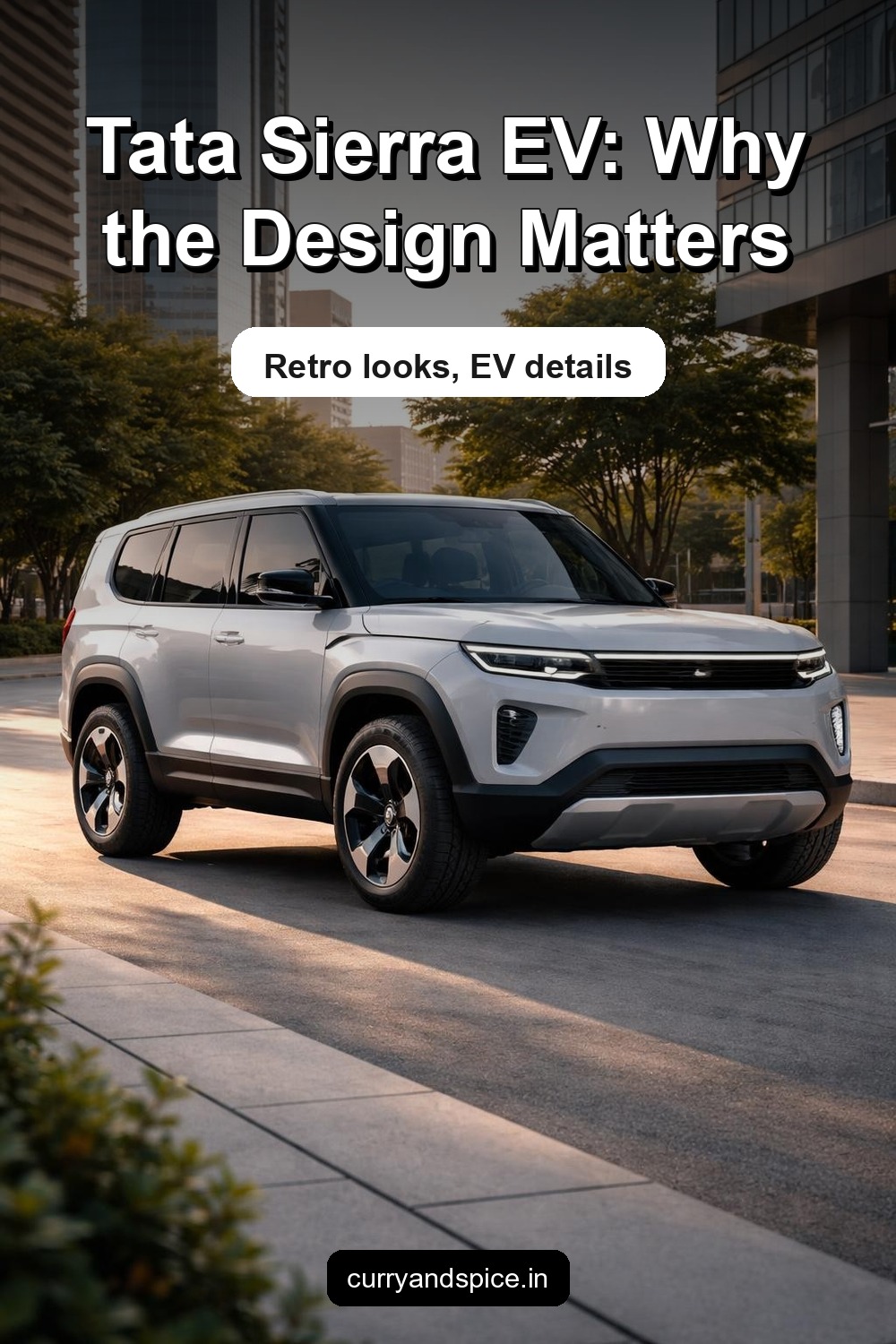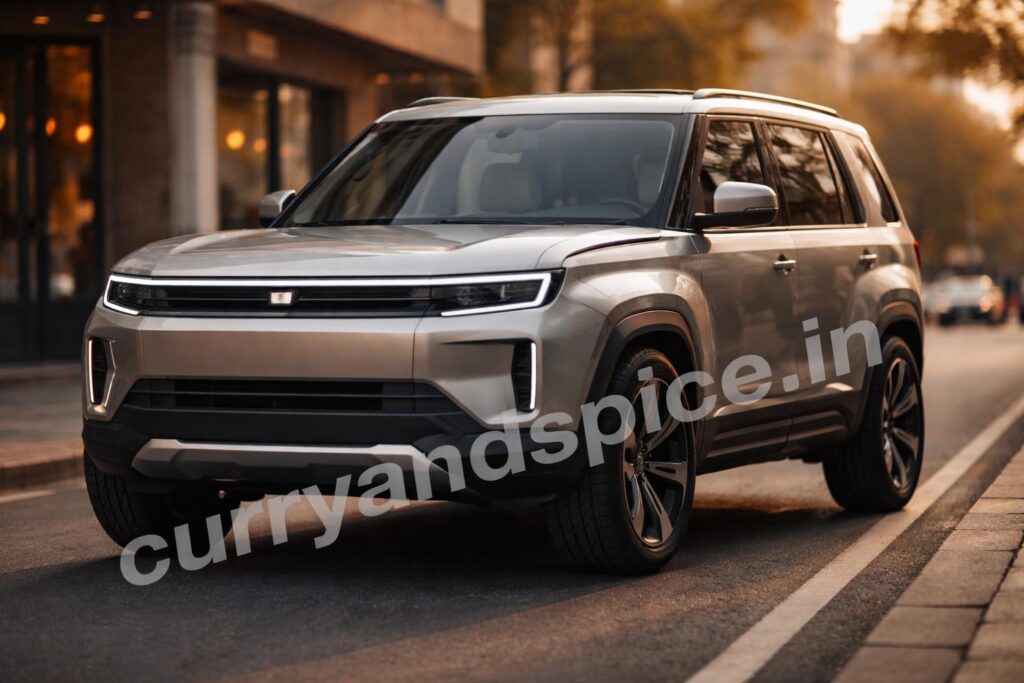
The Tata Sierra EV is one of those nameplates that makes people stop and look twice. That’s exactly why a lot of the attention around it is not just about the electric setup, but also about whether Tata can keep the old Sierra charm alive without making the new one feel forced.
If Tata gets the balance wrong, the car will still be interesting, but it could lose the emotional pull that made the Sierra name special in the first place. And in a segment where design matters almost as much as range, that would be a real miss. In this article, I’ll walk through what the Sierra EV is trying to do, why it matters, and how it stacks up in the bigger EV picture.
Why the Sierra EV matters more than a regular new SUV
There’s a simple reason the Tata Sierra EV is getting more buzz than a lot of newer electric SUVs. It isn’t just another EV with a clean front and a closed grille. It carries a name people already remember.
That changes the expectation. A fresh nameplate can get away with being “nice.” A revived icon has to feel special, and that usually means a stronger design identity, a better cabin, and enough tech to justify the comeback.
I’ve noticed this with a lot of heritage-badged vehicles. The emotion brings people in, but the product still has to do the daily work. If the driving position feels awkward or the back seat doesn’t make sense, the nostalgia fades fast.
That’s the real test for Sierra EV: can it be a proper modern electric SUV without losing the old-school character that made it stand out?
What Tata is likely aiming for
From the broader direction Tata has shown with its electric SUVs, the Sierra EV appears built around a few clear ideas:
- strong road presence
- a modern all-electric platform
- premium-feeling cabin details
- a practical family SUV shape
- enough range and charging confidence for everyday use
That mix is important. People don’t buy EVs only for the badge or the design anymore. They buy them when the range feels manageable, the charging plan feels realistic, and the cabin makes sense on a Monday morning, not just in a showroom.
For a quick look at the kind of EV features buyers are comparing in this space, Tata’s official EV information pages are worth checking directly on the company’s website, since the final production specs can vary by model and variant.
The design is the first thing people will talk about
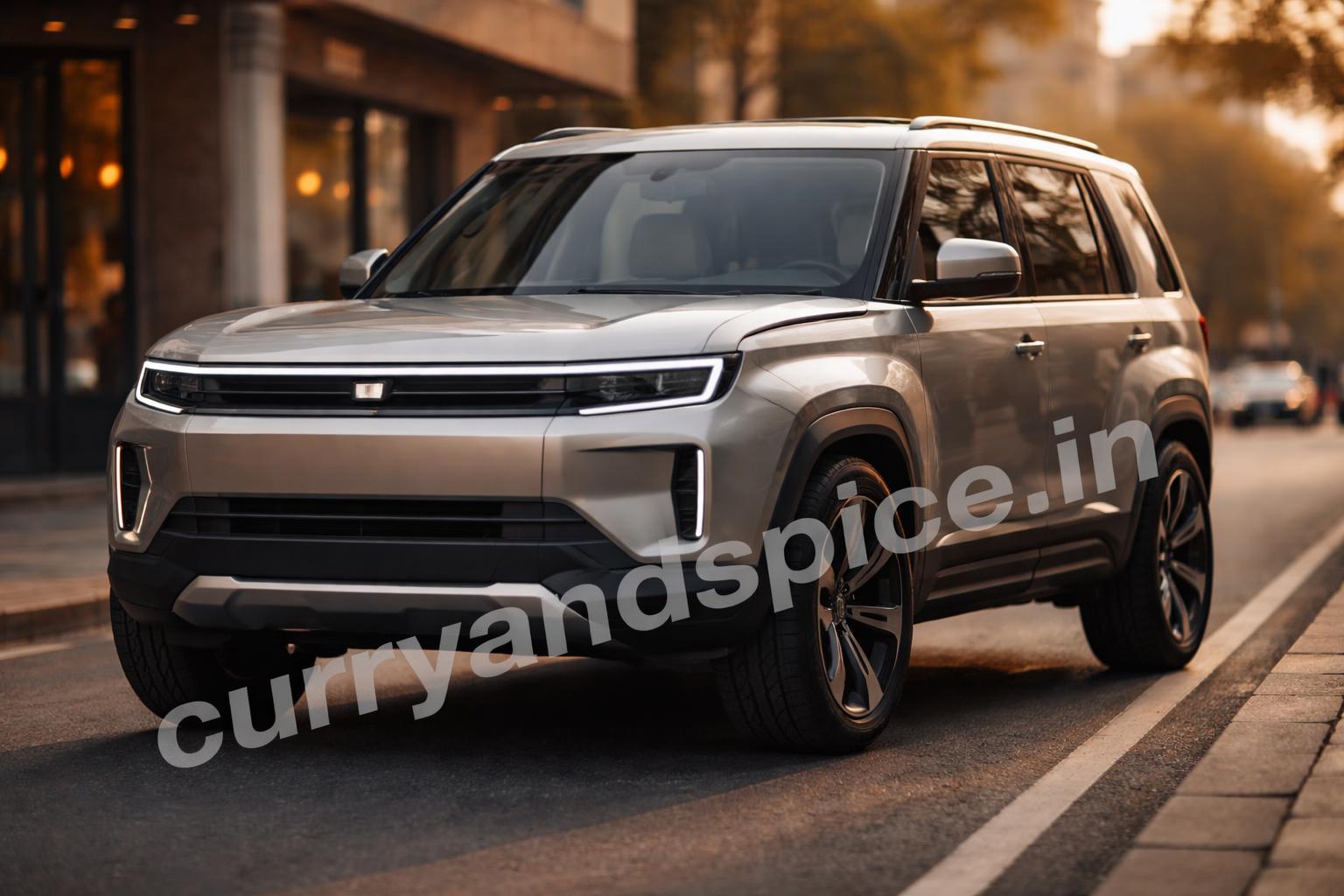
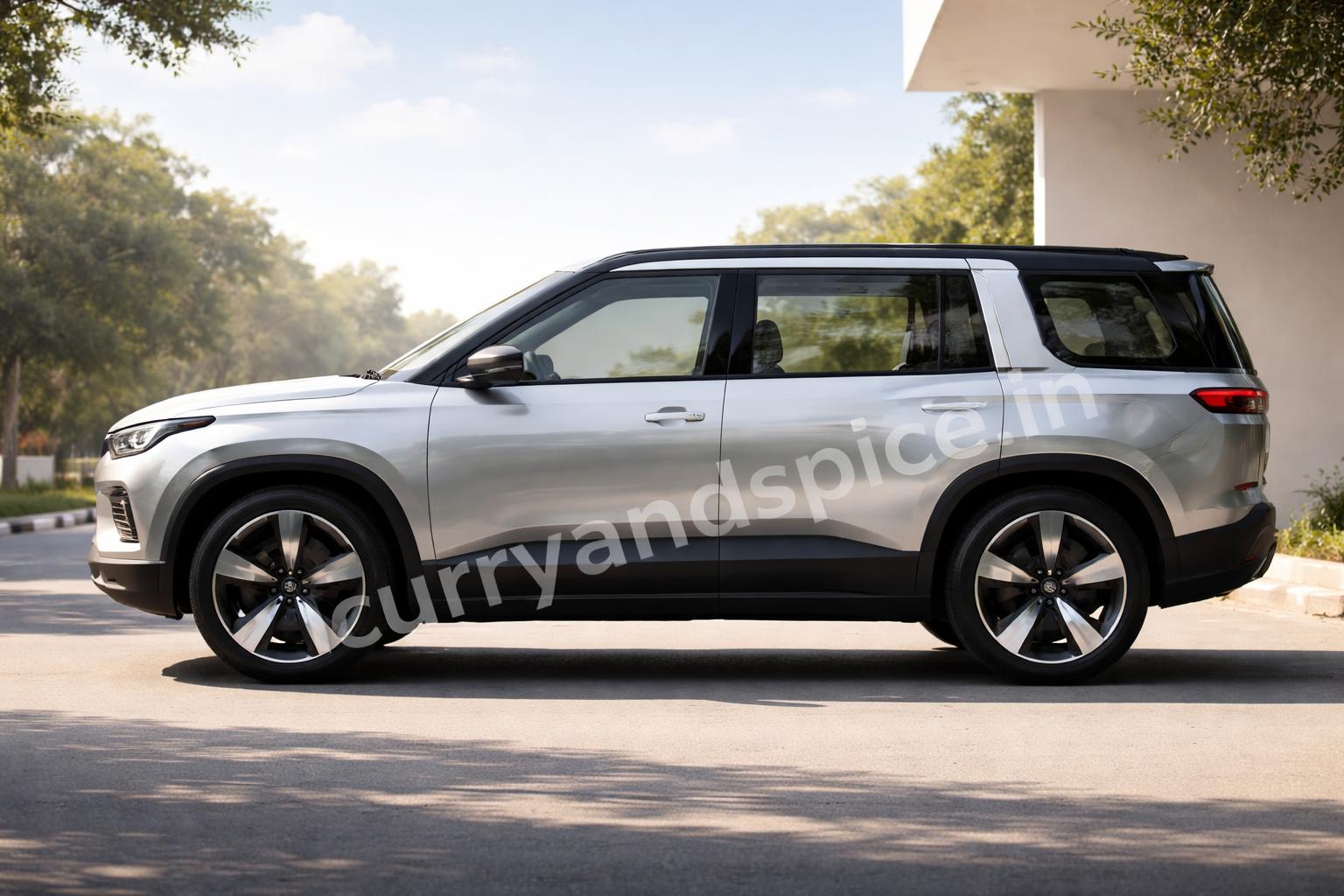
The Sierra’s shape is the hook. That much is obvious. Tata is leaning into a retro-inspired SUV design instead of trying to make it look like every other electric crossover on the road.
That’s smart, because EVs can sometimes blend together. Smooth nose, black cladding, slim lighting, done. The Sierra EV seems to be aiming for more personality than that.
The old Sierra was known for its glass-heavy, boxy character. Bringing that spirit back in a modern form is tricky. If the lines become too rounded, the nostalgia gets diluted. If they stay too boxy, the car can look outdated. That’s a narrow line to walk.
One thing I always notice with retro revivals is that the details matter more than the headline. The stance, the window area, the lighting signature, even the wheel design can make the whole thing feel believable or fake.
What should stand out in real life
If Tata follows the expected direction, the Sierra EV should win attention through:
- a tall, upright posture
- a clean face with EV styling cues
- a modern lighting setup
- strong shoulder lines
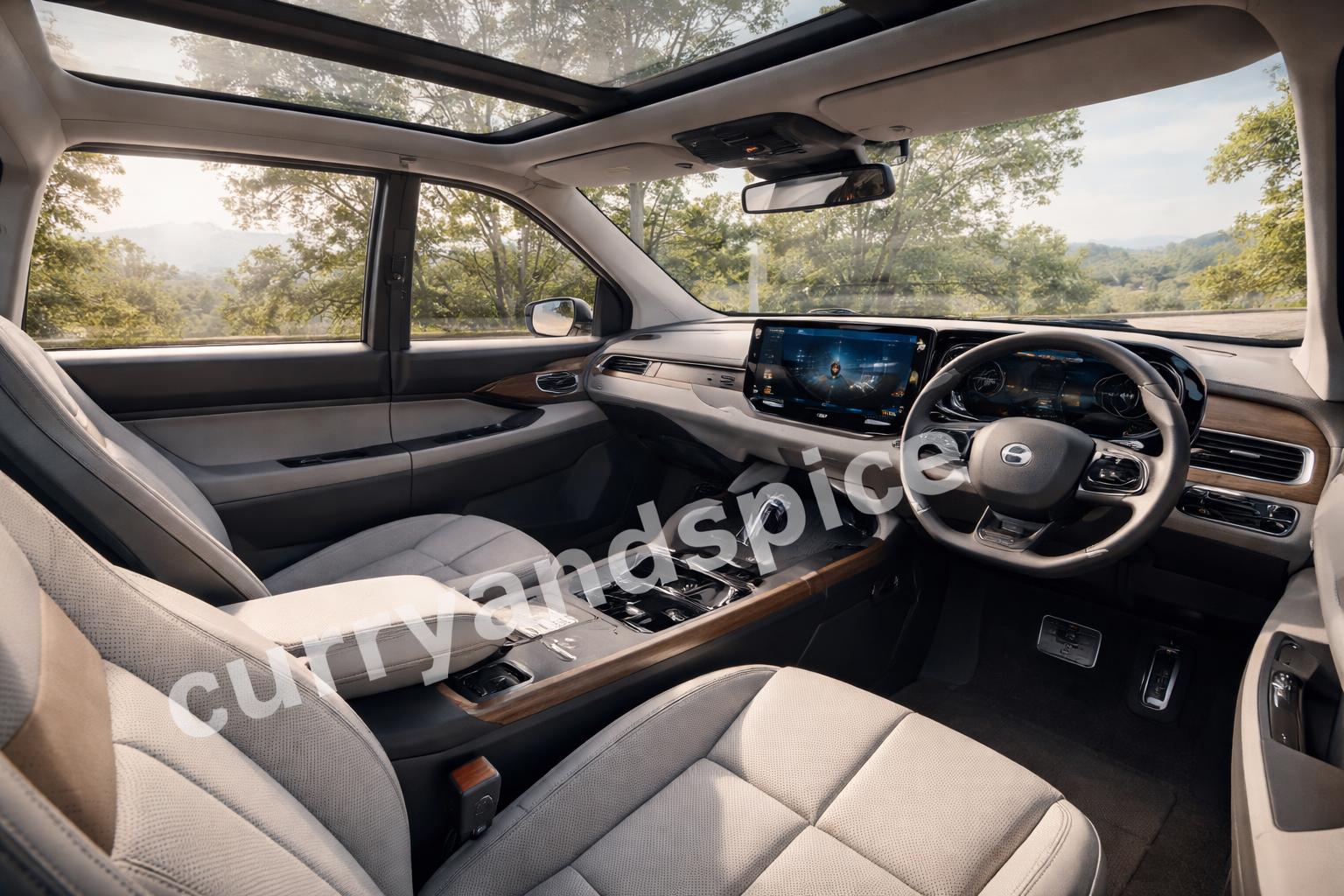
- a cabin that feels airy and premium
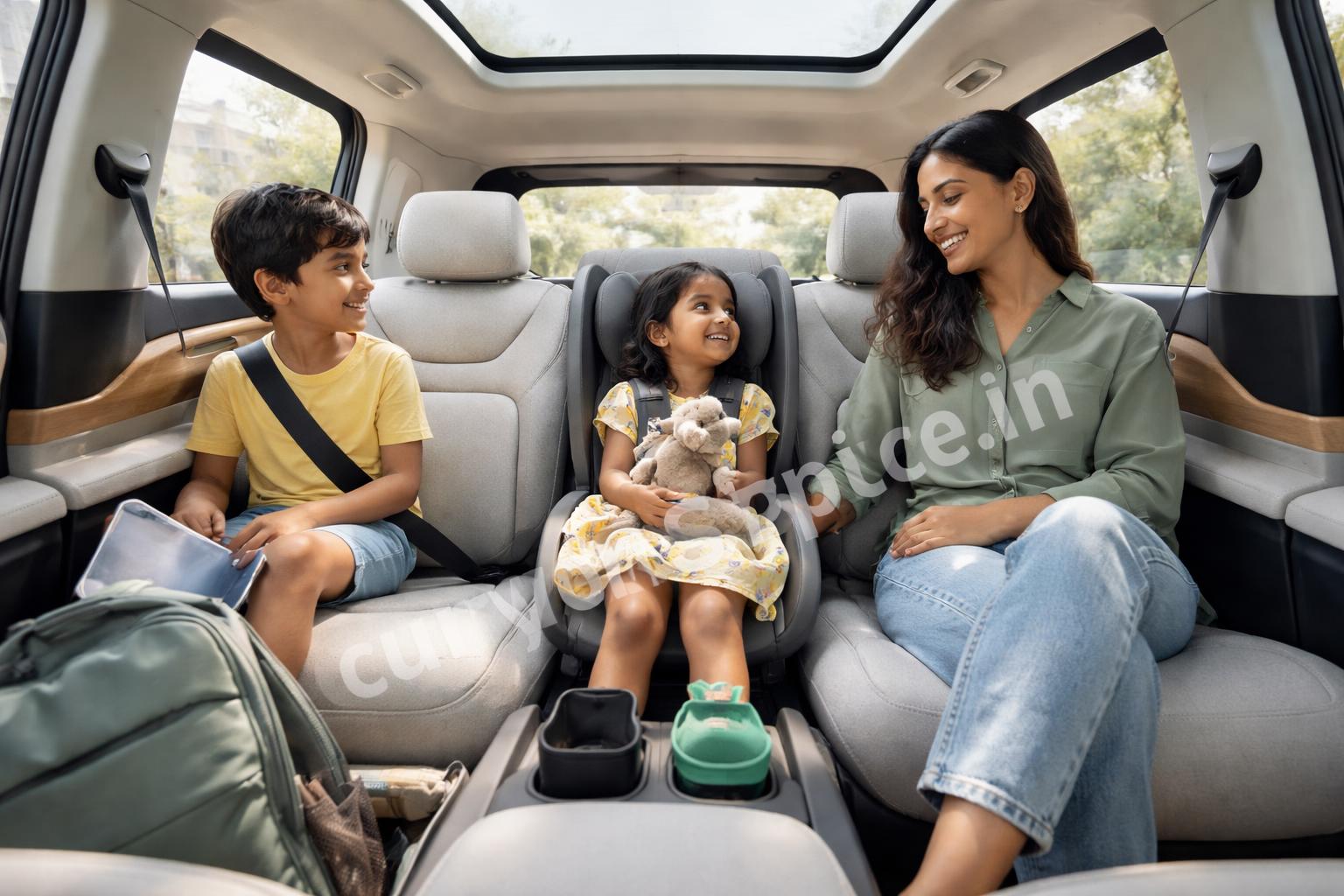
That last point matters more than people admit. A lot of SUVs look good from the outside, but the second-row space and visibility decide whether the design actually works for families.
If you want to compare this approach with another new compact electric SUV, this recent coverage of the Kia Syros EV’s electric powertrain and premium compact SUV design is a useful reference point. It shows how differently manufacturers are handling the “small EV, big feature list” formula.
What the electric powertrain could mean in daily use
The powertrain is where the Sierra EV will either become a practical winner or just a nice-looking headline. Tata is expected to position it with a setup that feels usable for urban and highway driving, not just short city hops.
That’s the important part. A lot of people talk about electric cars in range numbers, but the real-life question is simpler: Will it still feel calm after a week of mixed driving, a little traffic, and one long weekend trip?
If the Sierra EV gets a balanced battery and motor setup, it could be the kind of SUV that doesn’t ask too much from the driver. That’s what most buyers want, even if they don’t say it out loud.
The things buyers will care about most
- real-world range, not just brochure range
- fast charging support
- smooth low-speed response in traffic
- predictable regeneration
- enough punch for highway merging
- thermal management that doesn’t make the car feel inconsistent
Honestly, the charging experience often decides whether people love an EV or tolerate it. The motor can be great, but if the charging stops are awkward or the range drops too quickly in mixed usage, the whole ownership experience gets tiring.
For readers who like to understand the broader EV landscape before buying, official EV safety and charging guidance from the U.S. Department of Energy is a solid neutral source. It won’t tell you which SUV to buy, but it does help separate real-world charging basics from marketing talk.
A practical expectation check
The Sierra EV doesn’t need to be the longest-range EV on sale. It just needs to feel good enough in the situations most owners face.
That means:
- school runs
- office commutes
- weekend errands
- occasional highway travel
- predictable charging at home or work
If it nails those, most buyers will forgive minor compromises elsewhere. That’s usually how EV ownership goes in the real world.
Cabin feel will probably decide the verdict
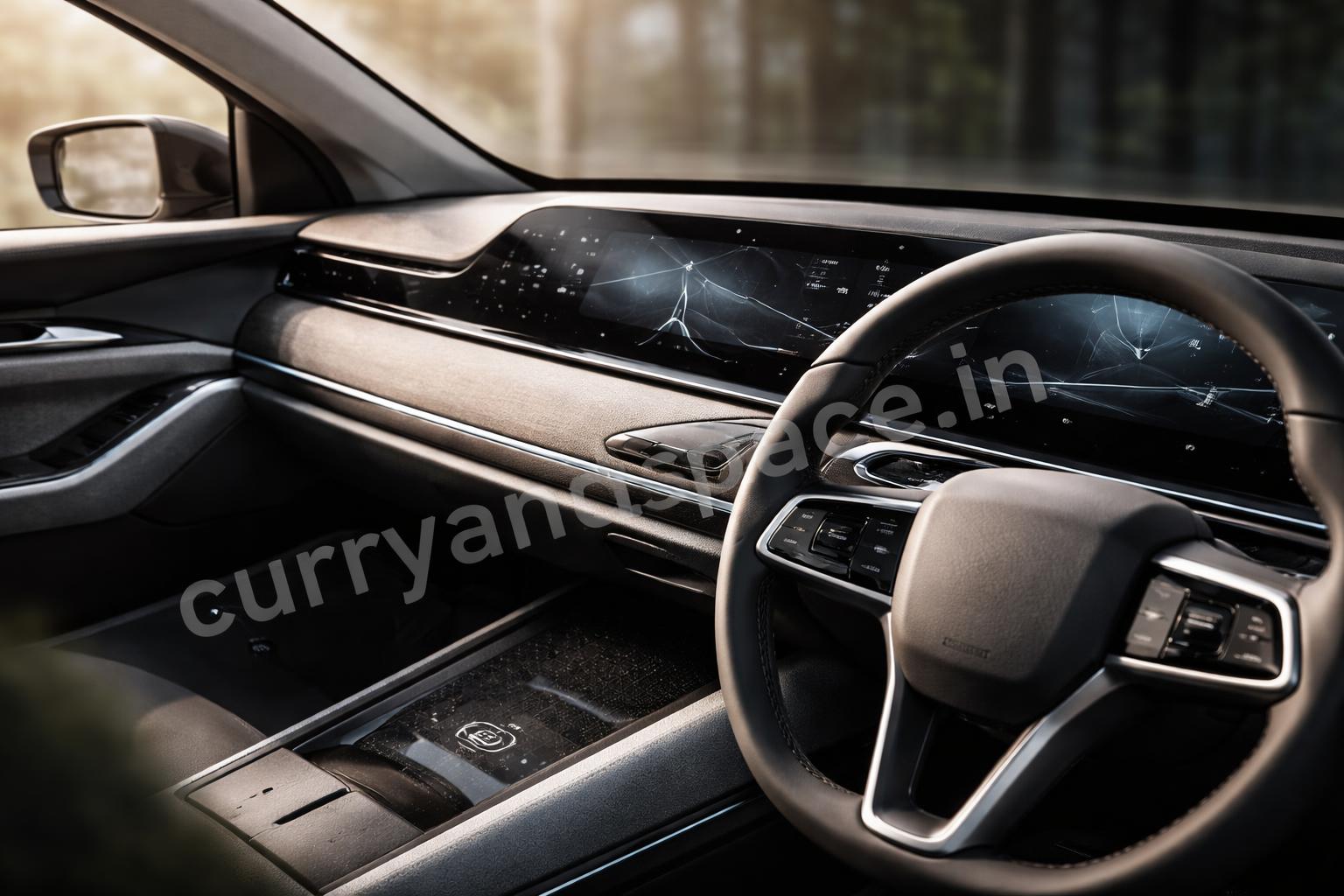
This is where Tata has a real chance to make the Sierra EV feel expensive in the right way. Not flashy. Not overdone. Just well thought out.
The cabin should matter a lot here because the Sierra badge carries emotion, and electric SUVs also tend to invite premium expectations. If the inside feels ordinary, the whole car can lose some of its magic.
I’ve seen this happen with many new SUVs. The exterior creates the excitement, but the interior decides whether the excitement lasts beyond the first drive. A strong dashboard layout, comfortable seating, and a logical control setup make a bigger difference than many buyers expect.
What would make the cabin work
A good Sierra EV cabin should ideally offer:
- a clean, open dashboard
- useful storage spaces
- a comfortable seating position
- a wide center console without feeling bulky
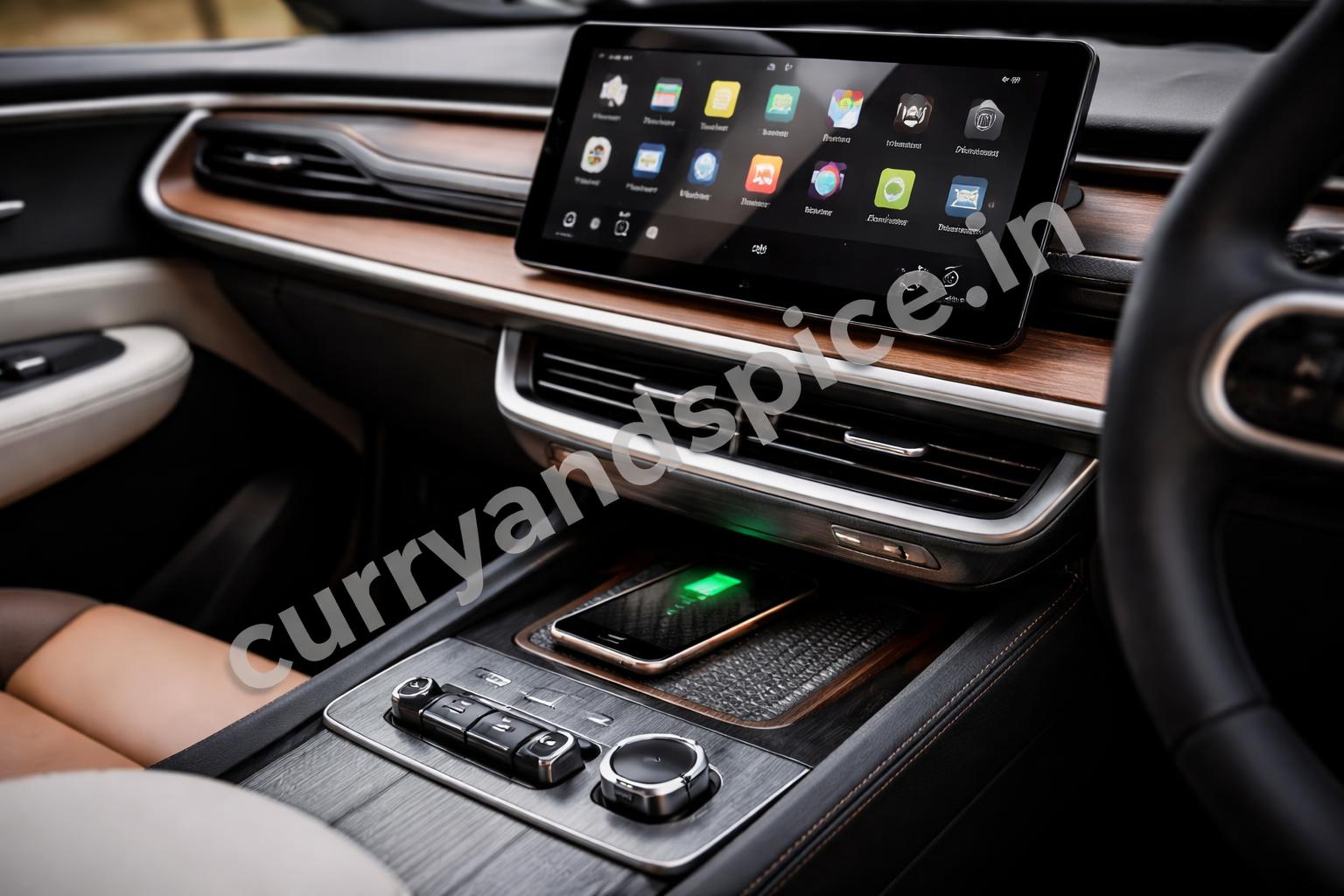
- intuitive screens and controls
- a premium material mix where it actually matters
Small annoyance, but a real one: touch-heavy cabins can look impressive and still be irritating to use while driving. If Tata keeps the commonly used controls easy to reach, that would be a genuine win.
The best EV cabins are the ones you stop noticing after a week. That sounds boring, but it’s actually praise. It means the ergonomics are working.
Features people will actually use, not just talk about
The phrase “premium features” gets thrown around a lot, but not every feature changes daily life. Some things are just nice to have. Others make the car easier to live with.
For the Sierra EV, the useful stuff will probably matter more than the flashy stuff. A large touchscreen is fine, but a well-placed wireless charger, a strong air-conditioning system, and good seat comfort will matter more on hot days and long drives.
The most useful feature categories
1. Comfort features
Ventilated seats, a good seat cushion, rear AC vents, and a cabin that cools quickly can make the car feel more premium than a fancy light strip ever will.
2. Safety tech
Driver assistance, multiple airbags, stability control, and parking aids should be part of the conversation. Buyers are paying attention to this now, and rightly so.
3. Connectivity
Phone pairing, connected car tools, over-the-air updates, and navigation features can make ownership easier, especially in an EV.
4. Convenience
A powered tailgate, multiple charging ports, and flexible storage make a real difference when the car is used every day.
The good news is that Tata usually understands this part of the market pretty well. The challenge is not adding features. It’s making sure they work smoothly.
How it could compare with other compact electric SUVs
The Sierra EV won’t just be judged on its own. It’ll be compared against every other electric SUV that promises style, space, and a premium cabin without becoming too expensive.
That’s a tough segment. Buyers there are patient, but they’re not easy to impress.
A car like the Sierra EV will likely be cross-shopped against newer compact EVs, slightly larger family EVs, and even some hybrid or petrol SUVs if the price gap gets too wide. That means Tata can’t rely only on the badge.
What people usually compare
| Buyer concern | Why it matters |
|---|---|
| Range | Determines daily confidence |
| Charging speed | Affects weekend and highway use |
| Rear-seat comfort | Important for family buyers |
| Boot space | Makes the car practical |
| Cabin quality | Shapes the premium feel |
| Service network | Important for long-term ownership |
If you’re already comparing it with other new-age electric SUVs, a broader read like this report on Kia Syros EV’s compact SUV positioning and premium features can help you see how rivals are trying to win the same buyer.
One detail people often forget: the best-looking EV doesn’t always age the best in ownership. Software support, battery behavior, and service support matter just as much as first impressions.
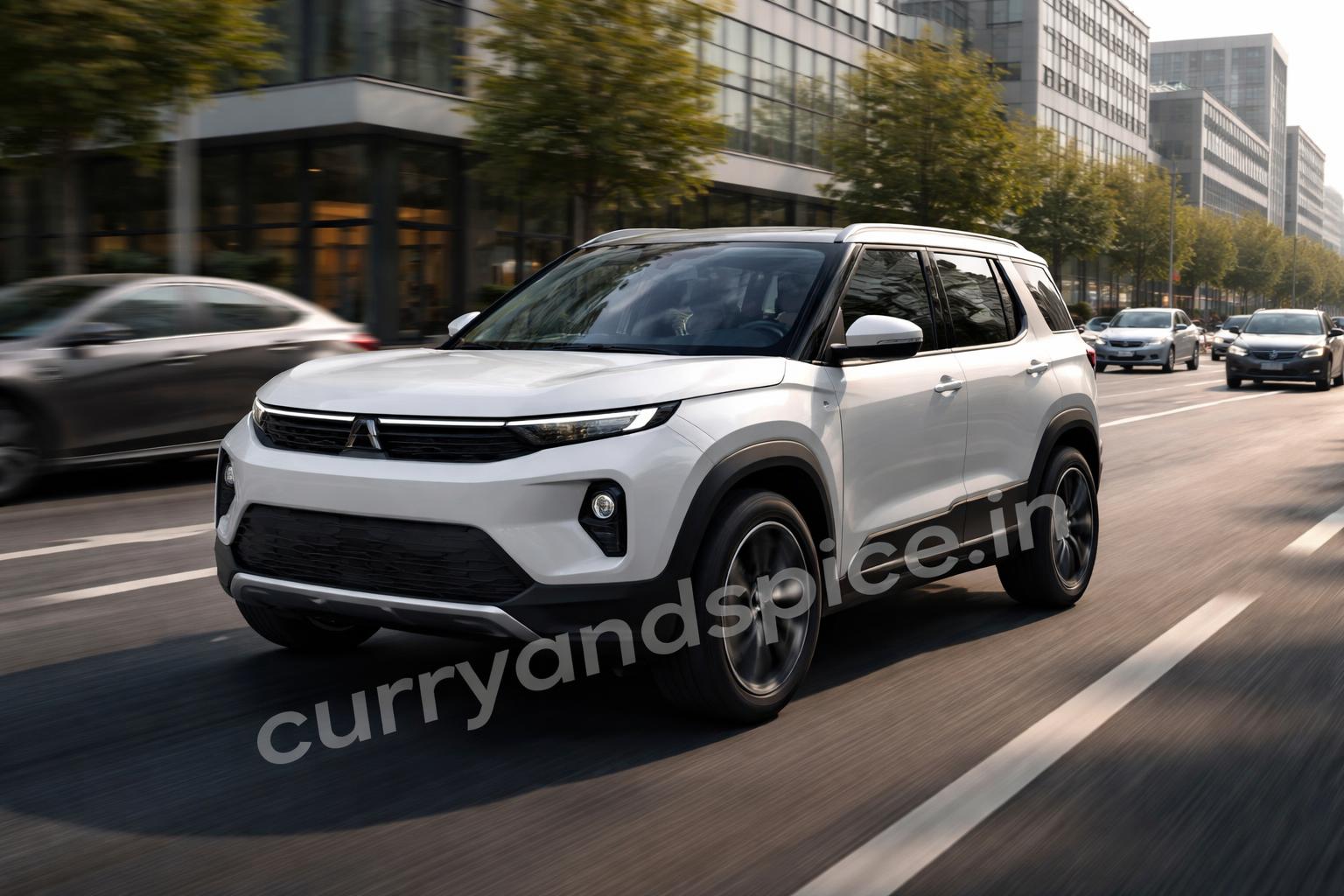
The Tata Sierra EV’s biggest challenge is expectation
This is the part that makes the Sierra EV so interesting. It’s not just a new model. It’s a revival. And revivals carry baggage.
People want the old identity, but they also want new-age practicality. They want bold design, but not at the cost of visibility or space. They want an EV that feels special, but not one that becomes annoying to live with.
That’s a lot to ask from one vehicle.
A simple way to think about it
If Tata gets these three things right, the Sierra EV should land well:
- design with character
- usable electric range and charging
- a cabin that feels genuinely premium
If one of those fails badly, the car can still be successful, but it won’t feel like the full comeback people are hoping for.
And that’s the real story here. The Sierra EV has to be more than a nostalgic name on an electric badge. It has to feel convincing every time you open the door, pull into traffic, or plan a longer drive.
Final thoughts
The Tata Sierra EV has the kind of presence that can pull buyers in before they even know the specs. That’s rare, and Tata knows it.
But the real win will come if the SUV keeps that emotional pull after the first look. If it feels easy to use, comfortable to sit in, and sensible to own, then the Sierra name could mean something strong again in the electric era.
I think that’s what makes this one worth watching. Not just because it’s new, but because it has to prove that a classic name can still make sense in a very different market.
Save This Guide on Pinterest
Save this image to Pinterest so you can easily return to this guide later.