The Volvo EX90 arrives with a simple problem attached to it: a lot of electric SUVs promise calm, space, and safety, but not all of them feel easy to live with once the novelty wears off. If you ignore that, you can end up with a car that looks smart on paper and still frustrates you every day.
That’s the part that matters here. The EX90 is built for people who want a family EV that feels thoughtful, not theatrical. In this article, I’ll walk through what stands out, what feels practical, and where you should slow down before making a decision.
First impression: quiet confidence, not drama
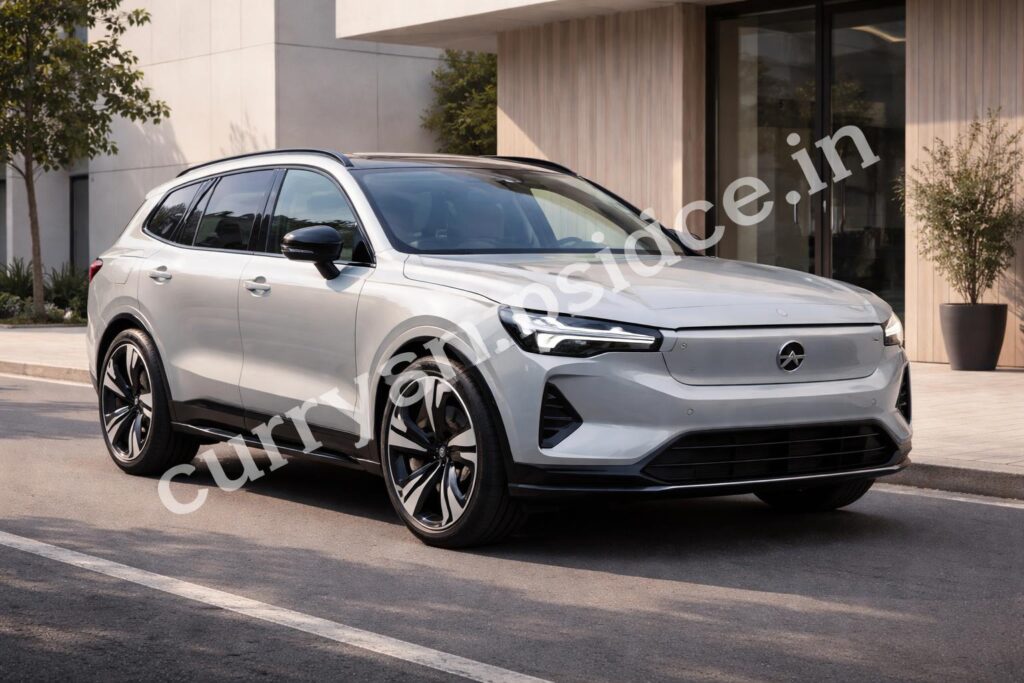
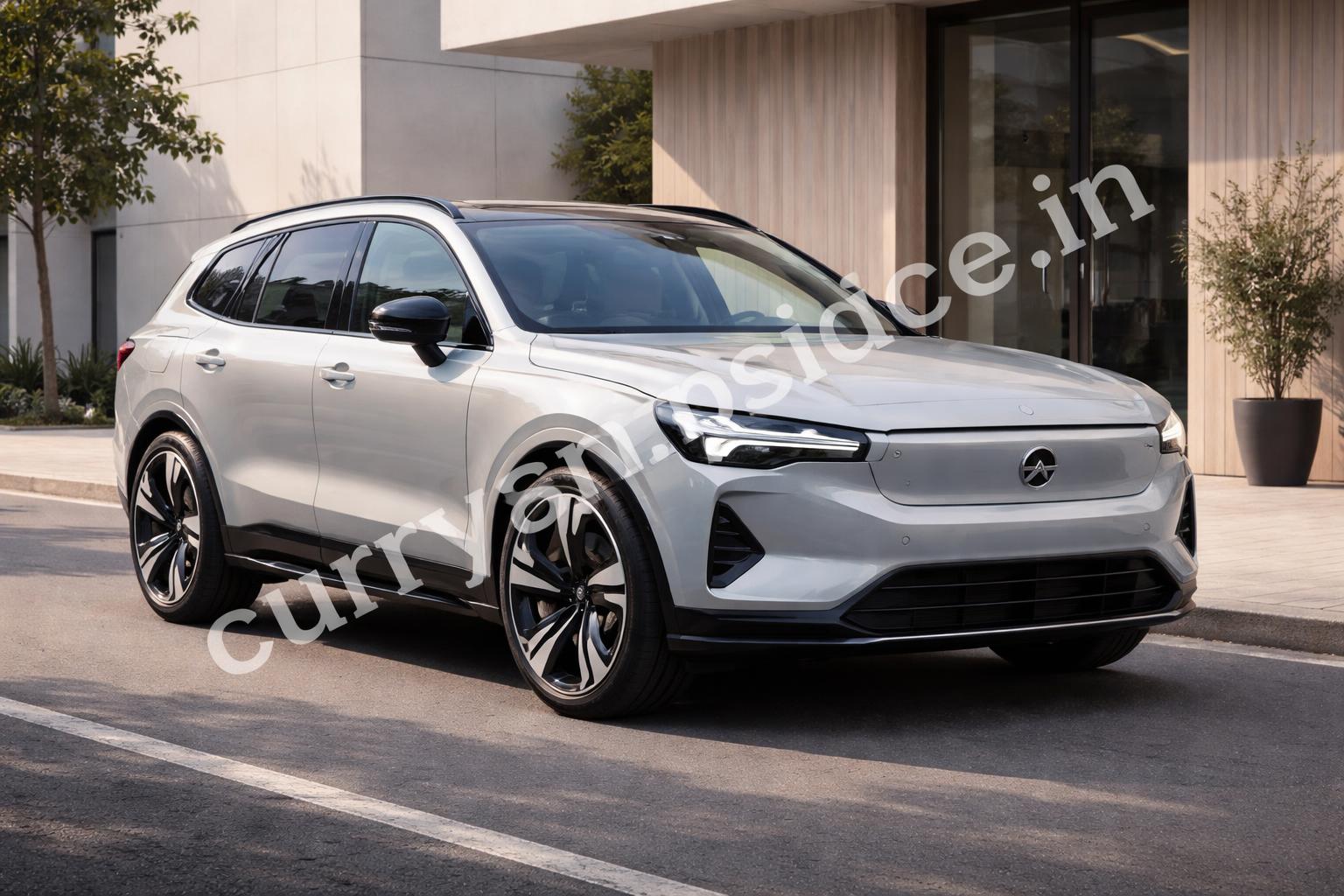
The EX90 doesn’t shout for attention, and that’s exactly why it works. Volvo has leaned into a clean, upright SUV shape that feels modern without trying too hard.
That matters in real life because a calm design usually ages better. Flashy styling can look exciting on launch day, but a more restrained shape tends to hold up when you’re living with the car for years.
The front end is especially interesting because it swaps traditional grille drama for a more sealed electric look. You notice the headlights first, and they give the SUV a distinct identity without making it look busy.
One thing I always notice with Volvo designs is how quickly they stop feeling “new” and start feeling familiar in a good way. That’s not a bad thing at all. It usually means the design isn’t going to annoy you later.
What the EX90 is really trying to be
This is not trying to be a sporty EV crossover pretending to be a race car. The EX90 feels aimed at buyers who care about range, comfort, safety, and cabin space more than novelty.
For families, that’s a pretty sensible focus. A vehicle like this lives or dies by how easy it is to use on busy mornings, long trips, school runs, and airport drives.
If you want a broader look at the brand’s electric direction, Volvo’s own official EX90 model details are a useful place to start. They’re also the best source for up-to-date configuration and market-specific features.
The electric setup, in plain terms
The EX90 is built around a dual-motor electric powertrain in higher-output trims, with all-wheel drive expected to be a major draw for many buyers. That usually means smoother takeoff, better traction in bad weather, and less drama when the road gets slippery.
In practice, that’s the kind of thing you only appreciate after a few weeks. A strong EV powertrain is nice, but stable and predictable power delivery is what makes daily driving easier.
The real win here is not just speed. It’s ease. You’re less likely to be working around the car and more likely to just use it.
Cabin feel: the place where the EX90 earns its price
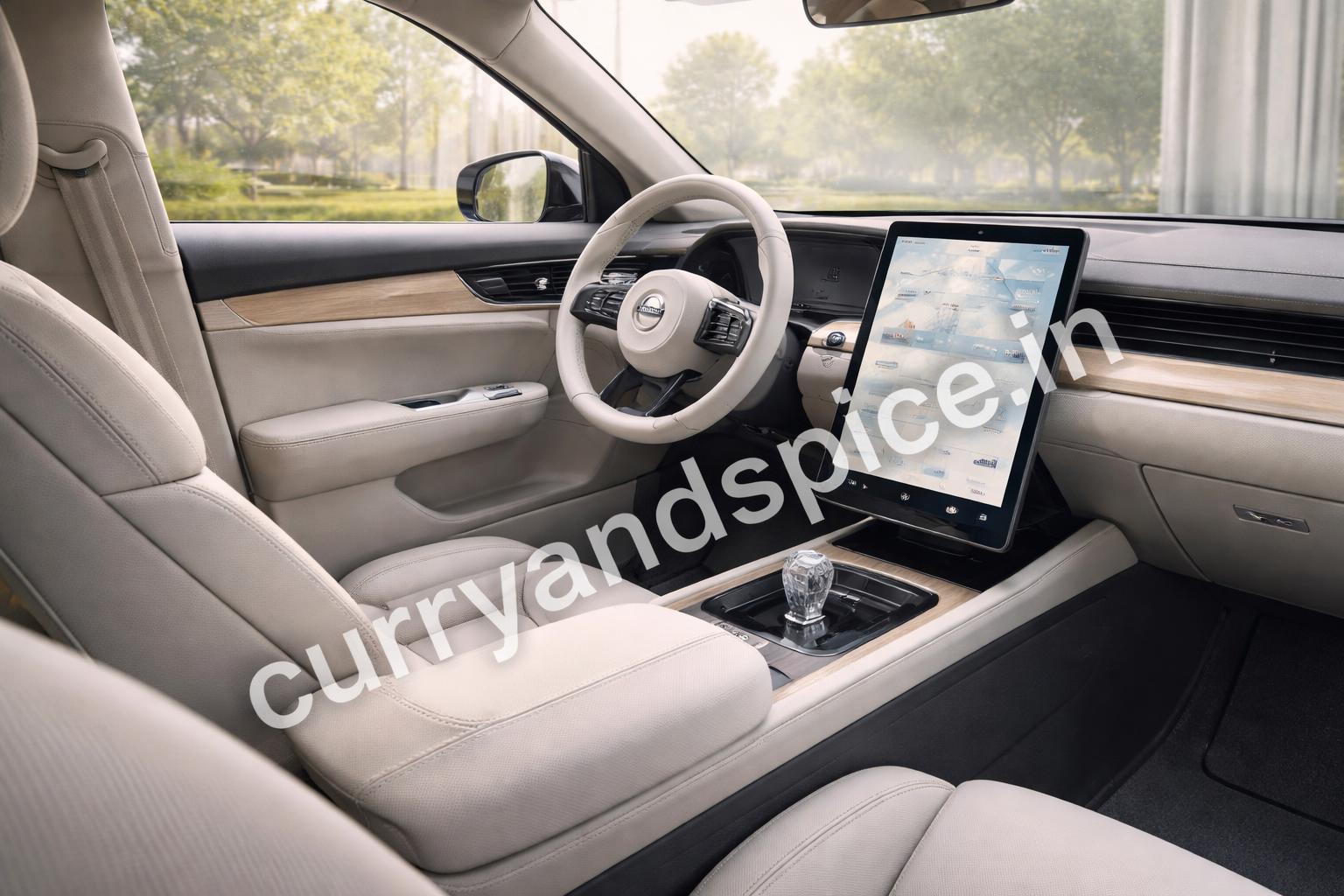
This is where Volvo usually gets serious, and the EX90 continues that pattern. The cabin is restrained, clean, and designed to reduce clutter.
That sounds obvious, but it changes the mood of the whole car. Too many SUVs feel like they’re trying to impress you with screens and trim shapes. The EX90 feels more like it wants to help you settle in.
The seats, the soft surfaces, and the layout all push toward a quieter daily experience. And that matters on long drives, because a cabin that feels calmer at the start of a trip still feels calmer two hours later.
I’ve seen plenty of premium interiors that look great for photos and then start to feel tiresome once you have to use them every day. The EX90 seems aimed at avoiding that mistake.
Screens are everywhere, but that doesn’t automatically mean better
A big display can be useful, but only if the layout stays readable. That’s the real test.
Volvo has moved toward a cleaner digital interface, and the experience is likely to appeal to people who don’t want a forest of physical buttons. Still, that kind of design is always a tradeoff. You get a cleaner dash, but you also depend more on software and menu logic.
For readers who like to compare the hardware side with software support, Google’s Android Automotive overview helps explain how this kind of system works in modern vehicles. That’s useful context if you’re trying to judge how the infotainment will age.
My practical advice: always pay attention to how fast the screen responds and how many taps it takes to reach the basic controls. That’s the stuff that becomes annoying first.
Safety is the headline, and Volvo knows it
You can’t really talk about the EX90 without talking about safety. Volvo has built its reputation on this, and the EX90 carries that expectation hard.
The car is designed around a strong sensor and driver-assistance setup, with the brand clearly aiming for more confidence on highways, in traffic, and during routine family use. That’s the kind of promise that matters most when the car is loaded with passengers.
One useful thing to remember is that advanced driver assistance is only as good as the conditions around it. Clear roads, proper lane markings, and well-maintained sensors all make a difference.
If you want a neutral explanation of how these systems are generally supposed to work, the U.S. National Highway Traffic Safety Administration has a clear overview of advanced driver assistance systems. It’s not EX90-specific, but it helps set expectations.
What safety means day to day
In daily use, safety tech should reduce stress, not add it. That means smooth lane support, sensible alerts, and systems that don’t keep nagging you for no reason.
A lot of drivers don’t realize how quickly bad calibration can turn “smart” tech into an annoyance. If a system is too sensitive, you stop trusting it. And once that happens, it’s basically dead weight.
That’s why calm, predictable assistance is more valuable than flashy feature lists.
Space and practicality: where families will look first
The EX90 is a large SUV, and that gives it the kind of flexibility families want. Three-row packaging, generous cargo potential, and a more upright stance all help make it feel useful rather than just premium.
That said, size has a price. A bigger SUV is easier to live with inside, but it also asks more from you in parking lots and tight streets. That’s the tradeoff buyers need to think about honestly.

The third row question
This is one of those areas where expectations matter. In many large SUVs, the third row is usable, but not always comfortable for full-size adults on long trips.
That doesn’t mean it’s useless. It means you should think about the EX90’s third row as a flexible backup for kids, shorter rides, or occasional adult use. That’s usually how these seats end up being used anyway.
A few practical things to check before buying:
- How easy the second row is to slide and fold
- Whether the third row feels reachable for your family
- How much cargo space remains with all seats in use
- Whether car seats fit without making the cabin awkward
It took me a while to realize that “three rows” is not the same thing as “comfortable for seven adults.” Most buyers know that already, but it’s easy to forget when a brochure makes it sound simple.
Range and charging: the real ownership question
Range is always a big deal with a large electric SUV. The EX90 is entering a space where buyers expect enough battery capacity for longer trips without constant charger planning.
The good news is that Volvo seems to understand this part well. A premium EV in this segment has to feel capable on road trips, not just around town.
Still, no one should shop by headline range alone. Weather, highway speed, wheel size, load, and climate control use all change the real number more than people expect.
Compare the numbers the right way
When you’re looking at EV prices and trim levels, don’t just focus on the sticker. Compare the things that affect actual ownership:
- Battery size and usable range
- Fast-charging speed
- Home charging setup
- Warranty and service coverage
- Final on-road cost, including taxes and destination fees
Always compare the final ownership picture, not just the brochure figure. That saves a lot of regret later.

For charging standards and what to expect from public infrastructure, the U.S. Department of Energy’s EV charging basics is a solid reference. It won’t tell you how the EX90 feels, but it will help you understand how charging fits into ownership.
Driving feel: comfort first, but not boring
The EX90 is likely to appeal most to people who like a smooth, composed ride. That’s the Volvo way, and it suits an electric SUV well.
Instant torque from the electric motors helps it feel ready without needing noise or fuss. But the important part is not just acceleration. It’s how the car settles down after that first push.
A good family EV should feel confident in traffic, calm on highways, and easy to place in a lane. If the steering and suspension work well together, you stop thinking about the machine and start thinking about the trip.
The small detail that matters most
The best thing about a premium EV is often what it doesn’t do. It doesn’t jerk around at low speeds. It doesn’t need much attention to stay smooth. It doesn’t make every drive feel like an event.
That may sound boring, but boring can be excellent when you’re driving with kids, groceries, or a long list of errands.
Interior tech: useful when it stays out of the way
The EX90’s tech story is strong, but I’d judge it on friction, not feature count. A lot of cars brag about software, yet the daily experience still depends on how quickly you can do simple things.
Climate settings, navigation, media, driver assistance, and phone integration should all be easy to reach. If any of those take too many taps, the shine wears off fast.
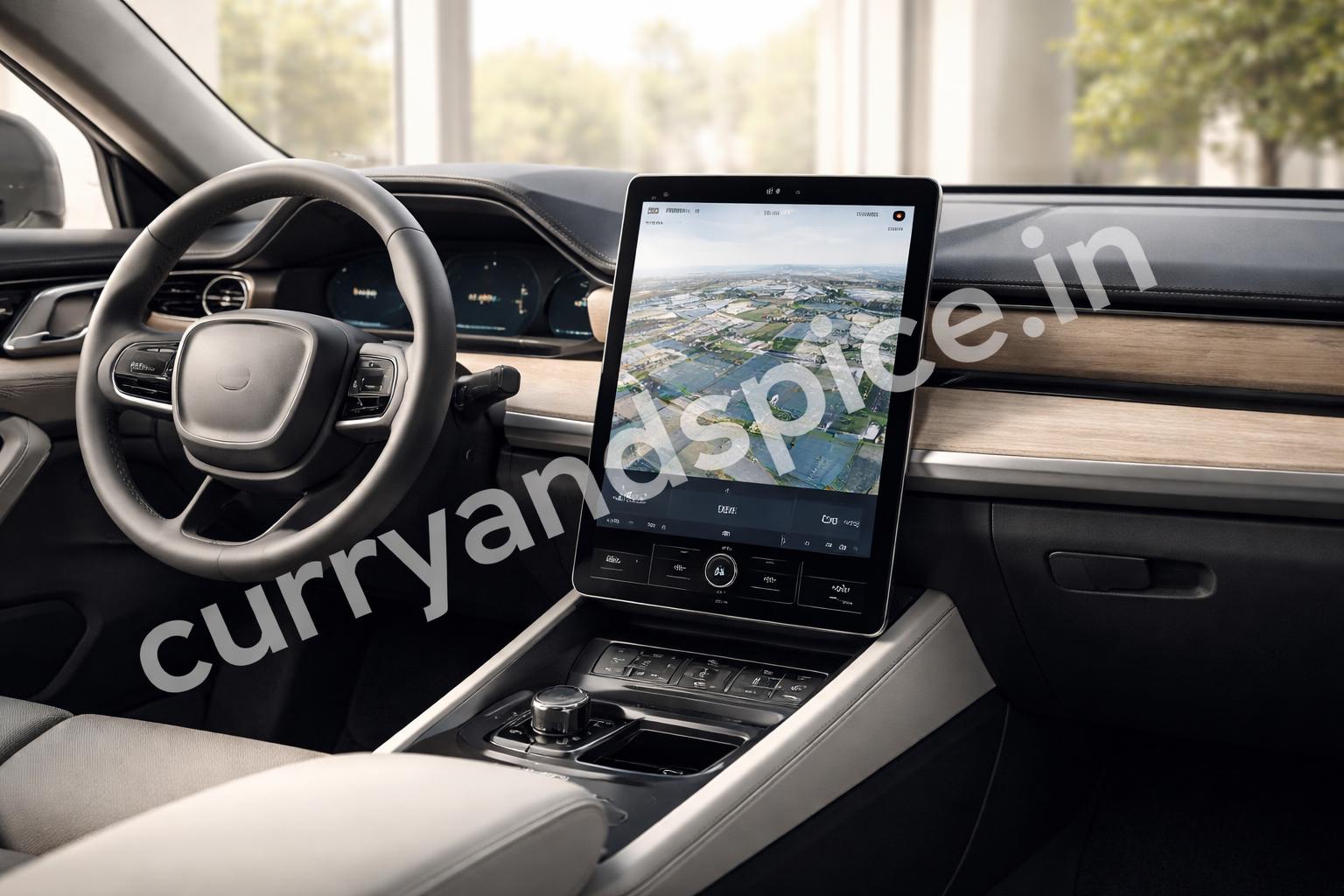
A simple checklist before you buy
If you get a chance to sit in one, check these things in order:
- How fast the screen wakes up
- Whether the menus feel easy to learn
- If the steering wheel controls make sense
- Whether the cabin remains quiet over rough pavement
- How the voice system handles basic commands
That last point often gets overlooked. Voice control sounds nice in a demo, but it only matters if it understands what normal people actually say.
Who should seriously consider the Volvo EX90?
This SUV makes the most sense for buyers who want an electric family vehicle with a strong safety image, a calm interior, and a premium feel without overstyled design.
It’s probably not the best match if your main goal is sporty driving or if you want a flashy cabin full of visual drama. Volvo is taking the more sensible route here, and that will appeal to a specific kind of buyer.
Here’s the short version:
- Best for: families, commuters, long-trip drivers, and buyers who value safety
- Less ideal for: people who want maximum driving excitement or a very playful interior
- Worth checking carefully: third-row comfort, charging habits, and software flow
Final thought
The Volvo EX90 feels like a car made by people who don’t want to waste your time. That sounds simple, but it’s rare enough to matter.
If the pricing, trim mix, and charging setup line up for your life, it could be one of those EVs that feels better after a month than it does on day one. And honestly, that’s usually the sign of a good family car.
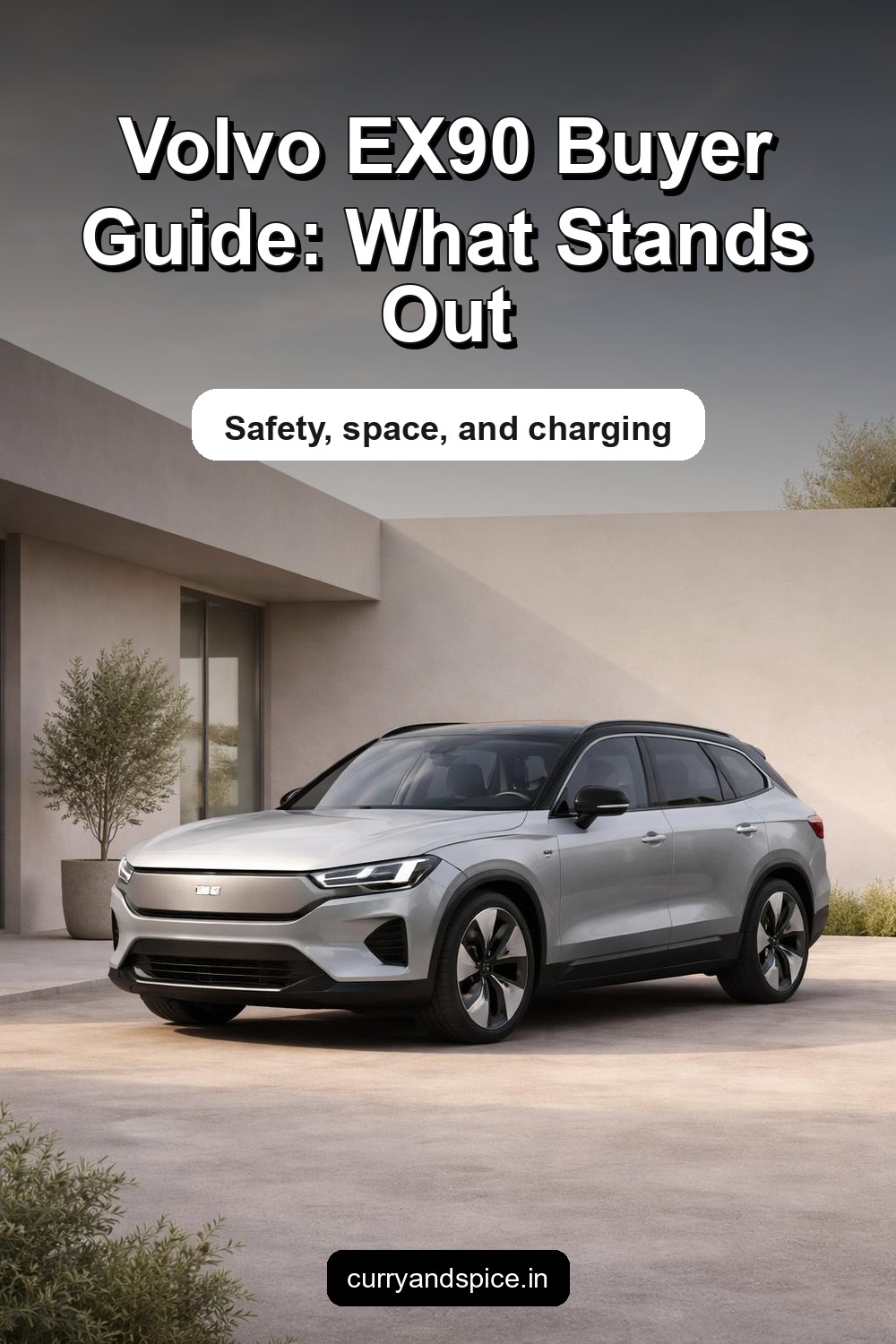
Save This Guide on Pinterest
Save this image to Pinterest so you can easily return to this guide later.