
The SUV market is getting crowded again, and that sounds exciting until you try to figure out which new models are actually worth waiting for. A lot of launches promise “premium” touches, but only a few bring the kind of changes that matter in daily use.
That’s the real problem. If you buy too early or ignore the finer details, you can end up with a car that looks new but doesn’t feel new.
So in this article, I’m looking at nine upcoming premium SUV launches that stand out for the right reasons. Some are expected to bring better powertrains, some focus on cabin tech, and a few are clearly trying to punch above their price band. I’ve also linked a few useful references where the coverage is clearer, including this roundup of new SUV launches under ₹20 lakh that feel premium, the Scorpio N facelift update, and Kia’s Syros EV launch report.
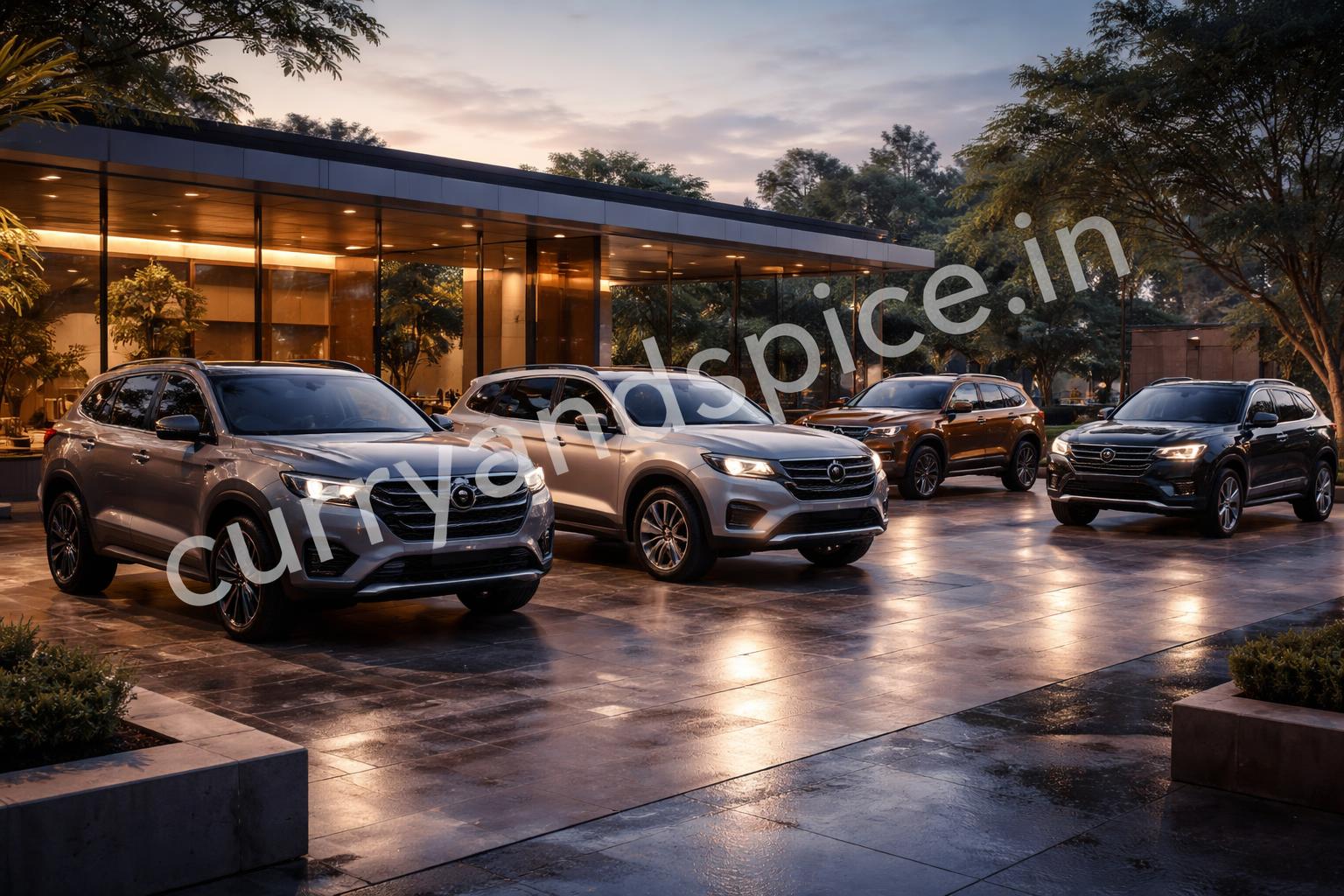
Why these upcoming SUVs matter more than usual
The premium SUV segment has changed a lot. A fancy dashboard used to be enough. Now buyers expect a better engine, smoother ride, stronger safety kit, and features that actually reduce stress in traffic.
That shift is why these launches matter. If an SUV only looks premium from the outside, most people notice the gap within a week.
The real winners will be the ones that feel expensive without becoming difficult to live with. That usually means a better seat, quieter cabin, useful ADAS, a cleaner infotainment setup, and suspension that doesn’t punish bad roads.
A quick reality check before you shortlist
A lot of launch hype focuses on headline features. That’s fine, but the final buying decision should still come down to a few basics:
- expected on-road price, not just ex-showroom
- real rear-seat space
- boot practicality
- service network
- powertrain choice
- waiting period
One thing I’ve learned from watching SUV launches is that the glossy stuff gets attention, but the boring stuff decides whether you keep loving the car six months later.
1) Mahindra Scorpio N Facelift
The Scorpio N facelift is one of those updates that gets attention even from people who weren’t shopping in this segment. That’s mostly because the base package already had a strong road presence, and a facelift gives Mahindra a chance to fix the small gaps without changing the car’s character.
The refreshed version is expected to keep the turbo diesel power and add a more polished cabin feel. What matters here isn’t just the power figure. It’s the way a stronger diesel setup changes overtakes, highway cruising, and the general feeling of effortlessness.
The updated article on the Mahindra Scorpio N facelift launch suggests Mahindra is leaning into a bolder design and more premium features. That makes sense. The Scorpio N already has presence, so the facelift should focus on making the interior feel less rugged and more expensive.
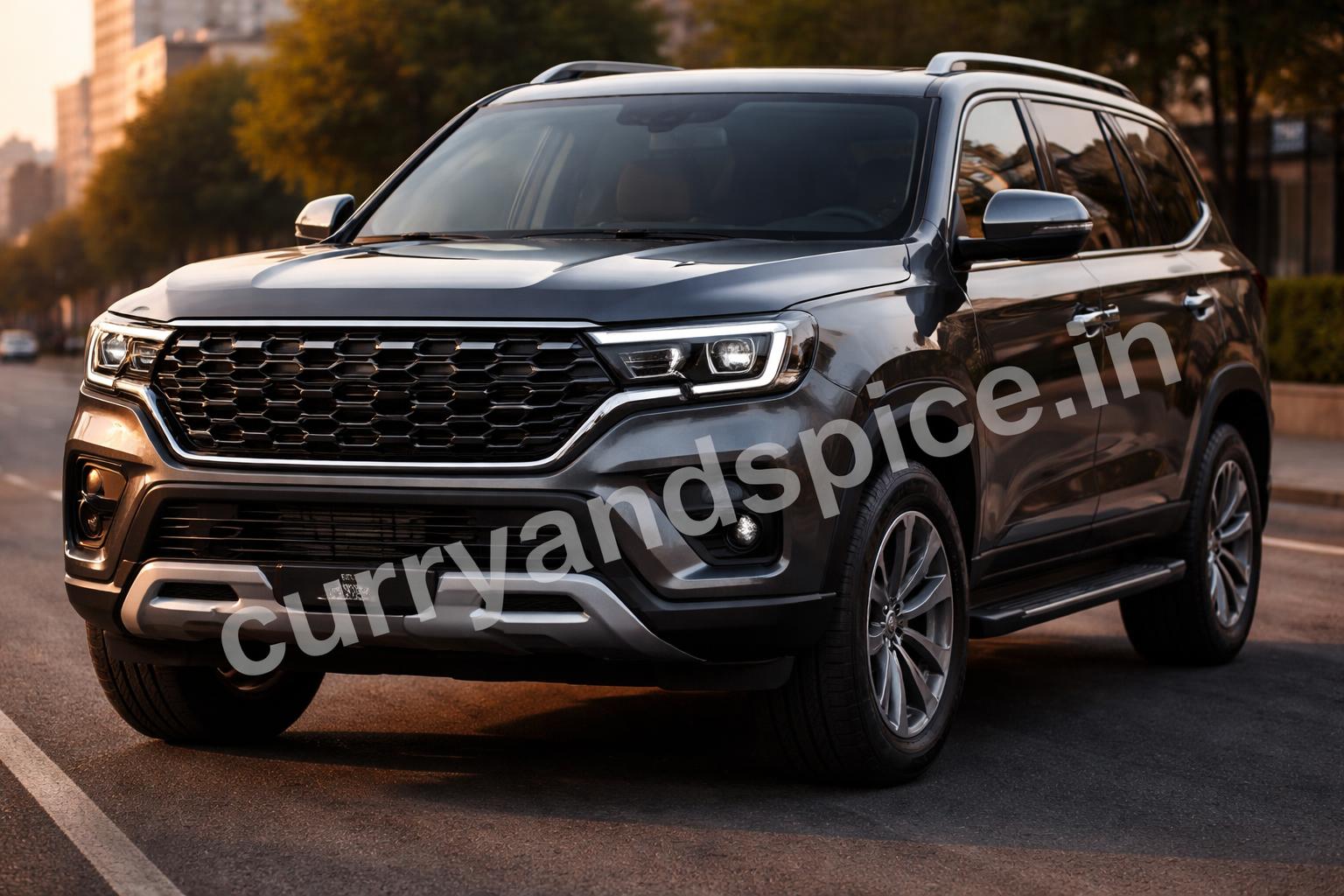
What to watch for: if Mahindra improves cabin materials and adds smarter tech without softening the SUV’s tough feel, this could become the most balanced body-on-frame premium SUV in the group.
2) Kia Syros EV
Kia has usually understood the “feel premium without overcomplicating things” formula better than most. The Syros EV is expected to carry that idea into the electric SUV space, where lots of models still feel either too basic or too gimmicky.
The interesting part is the electric powertrain in a compact SUV body. That combination usually helps in the city, where quiet operation and easy torque make everyday driving less tiring. It also helps if the packaging is smart enough to keep the cabin open and airy.
The launch coverage in Kia Syros EV news points toward a compact design with premium features. That’s the right direction, because EV buyers often want a car that feels modern, not just efficient.
A lot of people underestimate this, but a compact EV SUV only works when the charging and cabin experience feel simple. If it becomes a daily hassle, the premium feel disappears fast.
What could make it stand out
- cleaner dashboard layout
- better connected-car features
- quick city acceleration
- quieter cabin at low speeds
- usable rear seating for a compact footprint
3) Hyundai’s next premium compact SUV
Hyundai has a habit of packing a lot into its SUVs, and that usually works in its favor. The next premium compact SUV from the brand is expected to continue that trend with a fresh design, a smarter cabin, and feature-heavy trim levels that make lower segments feel less basic.
This kind of SUV matters because most buyers don’t need a giant vehicle. They need something that feels upscale in traffic, easy on fuel or charging, and polished enough for family use.
The biggest thing to hope for here is a cabin that doesn’t feel crowded with tech. Too many brands throw in screens and ambient lighting, then forget about storage, switch quality, and visibility. That’s where premium cars often slip up.
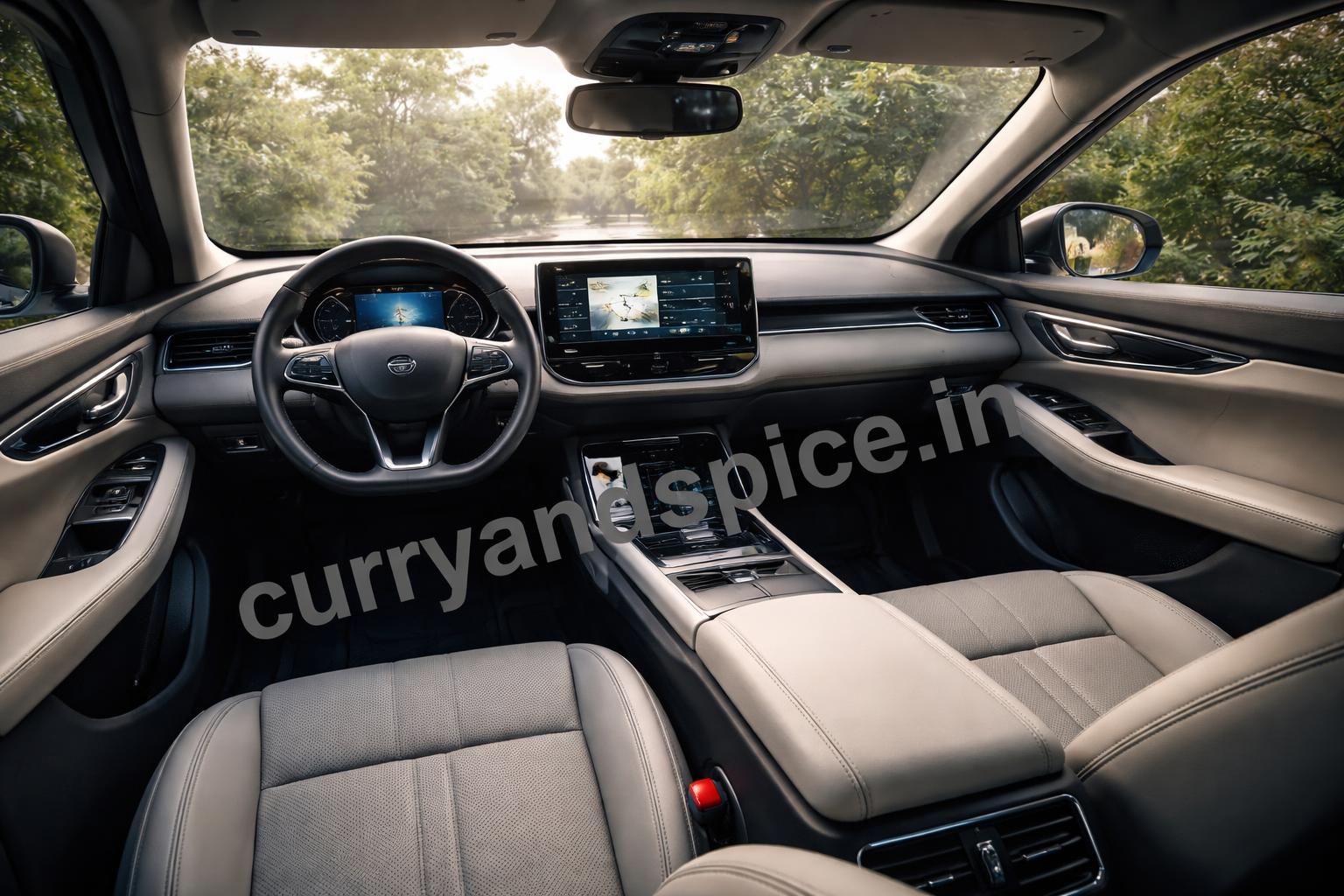
If Hyundai gets the balance right, this could be one of the easiest premium SUVs to recommend to someone moving up from a hatchback or sedan.
4) Tata Curvv ICE
The Curvv is one of the more interesting names in this list because it isn’t trying to look like every other SUV on the road. That coupe-like shape gives it a more style-led identity, and that alone will pull in a different kind of buyer.
The ICE version is expected to mix a modern design with a premium cabin and enough everyday practicality to avoid feeling like a lifestyle-only car. That’s the tricky part. A sleek SUV can look great in photos and still be annoying to use if the rear seat or boot isn’t sensible.
Tata has been improving the way it presents interiors, and this is where the Curvv can really help its case. A car like this needs strong screen integration, good seat comfort, and enough storage to survive normal family use.
I’ve noticed that unusual SUV shapes look best when the cabin feels simple. If the inside is too busy, the exterior design starts feeling like a gimmick instead of a strength.
5) Maruti Suzuki’s premium mid-size SUV
Maruti’s premium SUV direction has been getting more serious, especially as buyers now expect better safety and stronger highway manners. A new mid-size SUV from the brand could make a lot of noise if it combines familiar ownership confidence with a more upmarket feel.
The main draw here would be balance. Maruti usually wins on efficiency, service reach, and low running cost. If it can add a richer cabin, better sound insulation, and proper tech without making the car expensive to own, it will have a strong case.
For anyone comparing models in this space, the broader roundup of new SUVs under ₹20 lakh that feel premium is useful because it shows how crowded this value-premium zone has become.
My takeaway: a premium Maruti SUV will need more than a fancy grille. It has to feel genuinely better on the road, not just better on paper.
6) Mahindra XUV.e9
The XUV.e9 is one of the SUVs on this list that could become a design conversation starter. Mahindra’s electric strategy has been moving toward more dramatic shapes, and the coupe-SUV route gives it a premium edge right away.
What makes this launch important is not just the EV drivetrain. It’s the expectation that the SUV will deliver a more future-facing cabin, stronger software, and a design language that looks different from the usual boxy crowd.
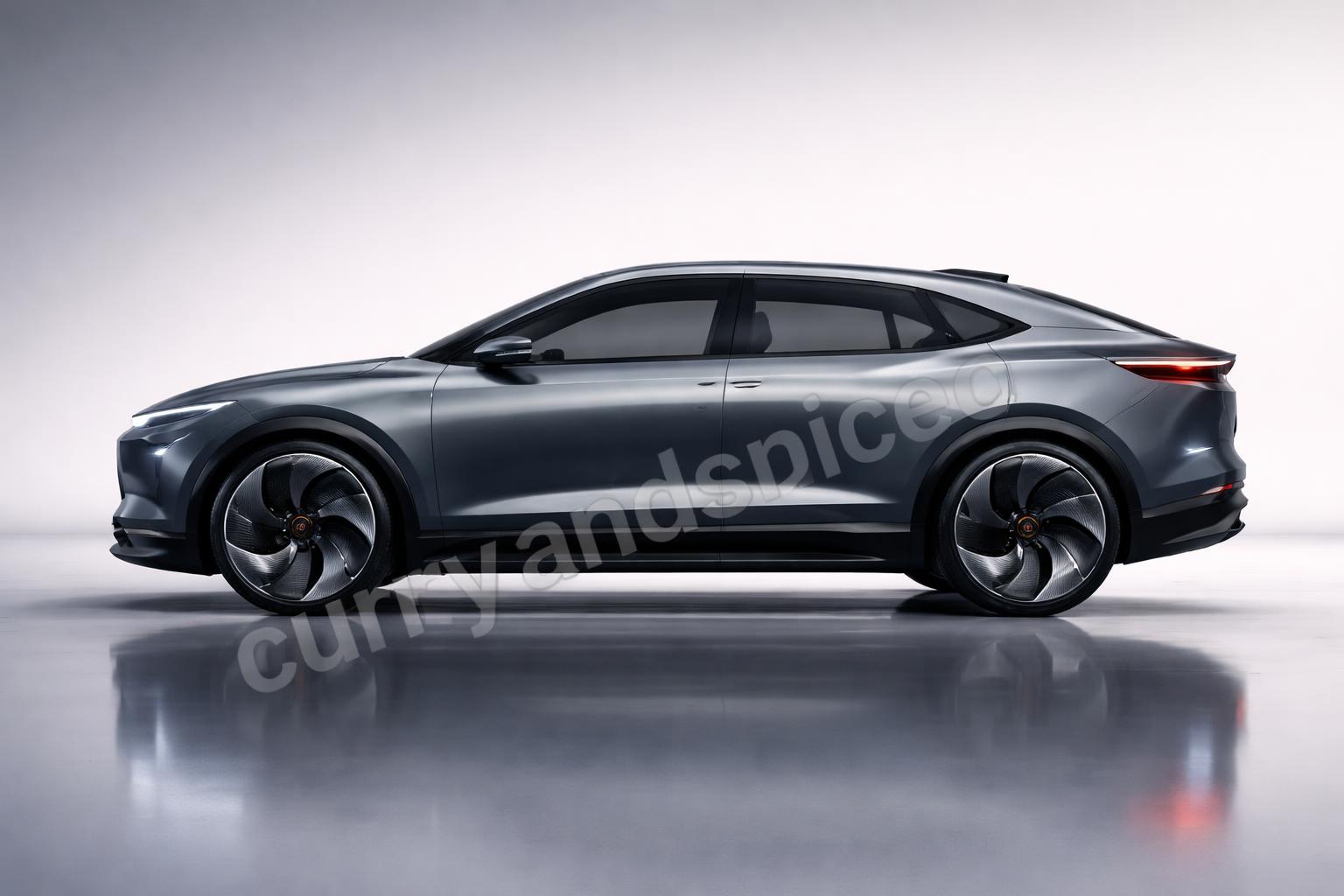
Premium EV buyers often want three things: style, range confidence, and a cabin that feels like a proper upgrade. If the XUV.e9 hits those marks, it could appeal to people who want something aspirational but still practical enough for Indian roads.
The one thing that can ruin it
If the rear seat or boot space gets compromised too much, buyers will notice. People will forgive a dramatic shape, but only up to a point.
7) Toyota Urban Cruiser Hyryder update
Toyota’s SUV strategy usually works because it feels calm and predictable. That’s not exciting marketing language, but it’s a real advantage when you’re buying a family SUV. A refreshed Hyryder update could improve on the current formula with better features, a cleaner cabin experience, and maybe a few convenience upgrades.
The Hyryder already has a reputation for sensible ownership. What this segment needs now is a more premium interior story. Better materials, smarter interfaces, and stronger safety tech can make a familiar SUV feel new again.
A lot of buyers forget that premium doesn’t always mean flashy. Sometimes it means the knobs feel nicer, the seats are better shaped, and the infotainment doesn’t lag when you need it. Those are small things, but they add up fast.
8) Honda’s new premium SUV push
Honda has the brand trust to do well in this space, but it needs the right SUV formula. A premium new model from Honda would likely lean on a refined engine, smooth driving manners, and a cleaner cabin layout rather than trying to win with pure aggression.
That can work very well. Not every premium SUV needs a loud design. Some buyers want something mature, easy to drive, and calm on bad roads.
Honda’s challenge is making the SUV feel worth the price without overcomplicating the experience. The brand usually does best when the car feels thoughtful. That means good visibility, sensible switchgear, and a cabin that doesn’t feel like it was designed only for a brochure.
9) Skoda’s next global-style SUV
Skoda has a strong chance of attracting buyers who want something a little more European in feel. The next premium SUV from the brand could lean on solid road manners, a better-ratio steering feel, and a more structured interior layout.
This kind of SUV usually appeals to someone who pays attention to how a car drives, not just how it looks in a showroom. That audience is smaller than the mass-market crowd, but it’s also loyal when the product is good.
What usually works in a Skoda SUV: strong safety focus, sturdy build feel, and a cabin that feels properly assembled.
And that’s the key here. Premium is not just about soft-touch panels. It’s about the confidence you feel every time you shut the door or take the car on a long stretch of uneven road.
Which of these launches feel most premium?
If you’re scanning this list for the models that feel the most promising on paper, I’d narrow it down to three types.
- For rugged presence: Scorpio N Facelift
- For electric-city appeal: Kia Syros EV
- For design-led premium feel: XUV.e9
That doesn’t mean the others are less interesting. It just means they’re targeting different buyers. A family looking for comfort will care about different things than someone chasing a standout design.
A simple way to compare them
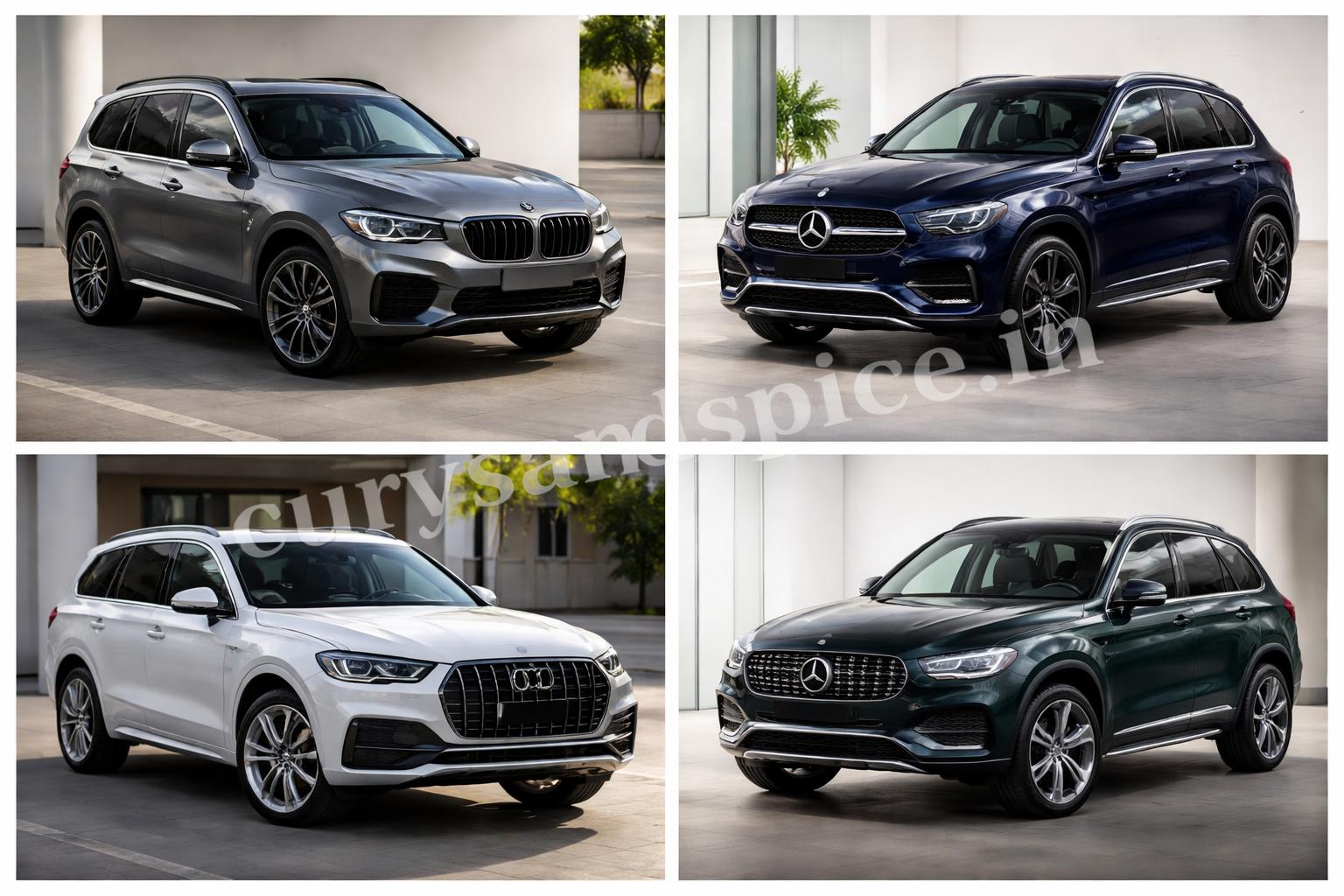
Before you get excited by any single launch, compare these four things:
- Final on-road price
- Feature-to-space balance
- Powertrain fit for your use
- Brand support in your city
That last one matters more than people admit. A great SUV can become frustrating if service access, parts availability, or software support isn’t strong.
A few feature trends worth watching
A pattern is starting to emerge across these premium SUV launches. Brands are not just adding more features. They’re trying to make the cabin feel cleaner and the driving experience less tiring.
The most useful upgrades usually include:
- better ADAS tuning
- stronger connected-car functions
- panoramic sunroofs, but only when paired with good cooling
- ventilated seats
- wireless Android Auto and Apple CarPlay
- better rear AC performance
- improved camera quality
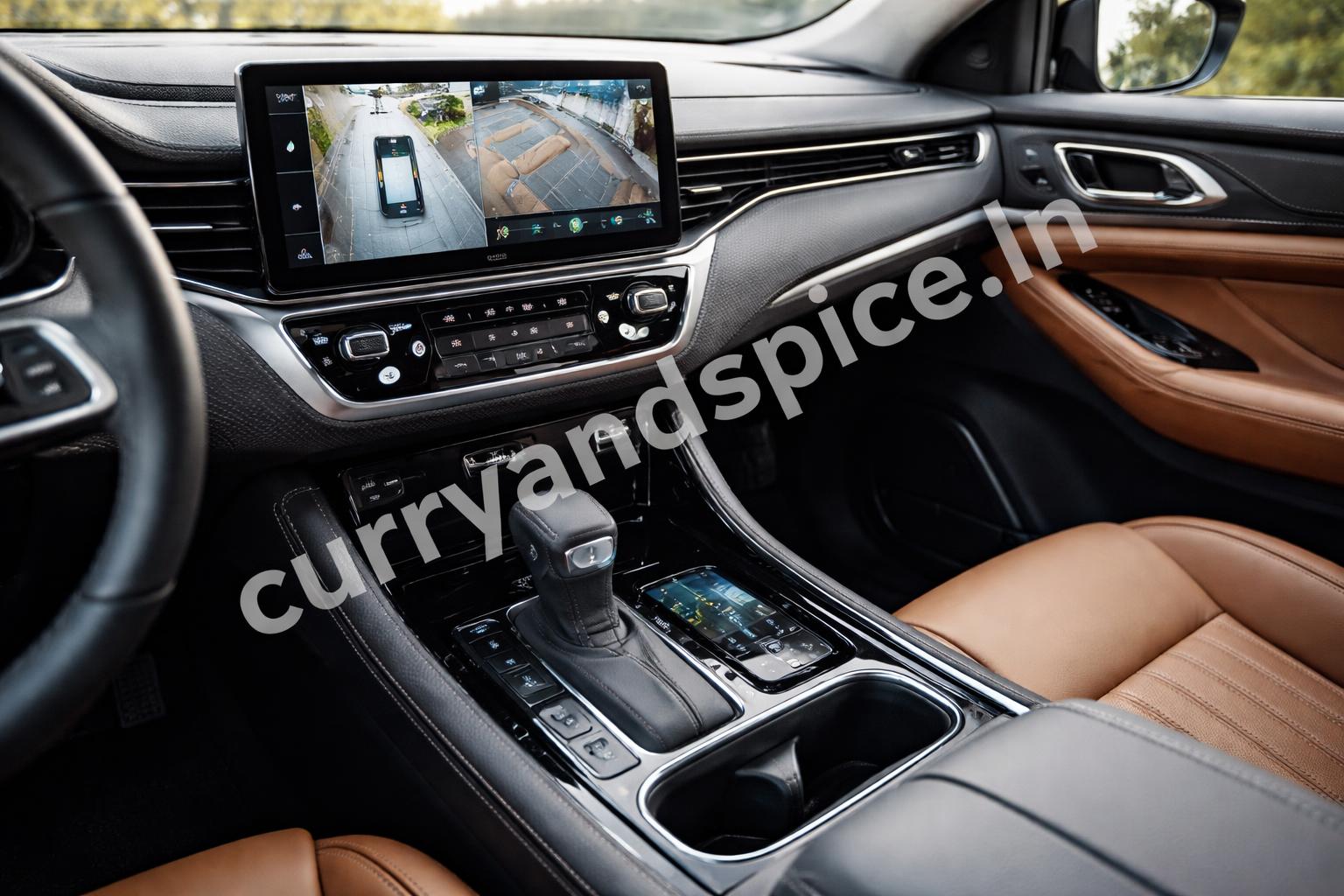
Not every feature is equally useful. For example, a giant screen looks impressive for five minutes. A good 360-degree camera helps every single day.
One small but important warning
Don’t get trapped by feature count alone. Some launch brochures read well, but the actual ownership experience depends on seat comfort, suspension tuning, and how easy the controls are when you’re driving in traffic.
What buyers should do before booking
If you’re seriously considering one of these upcoming premium SUVs, keep the process simple. A lot of mistakes happen because buyers fall in love with a launch headline and skip the basics.
Use this quick checklist:
- compare variants, not just base models
- check rear seat space in person
- look at boot shape, not just boot size
- ask about waiting period
- verify warranty and service package options
- compare financing, not only sticker price
And yes, final price matters more than the headline price. Shipping, registration, insurance, accessories, and local discounts can change the real number quite a bit. That’s why comparing the total out-the-door cost is smarter than chasing a launch banner.
Final thoughts
The next wave of premium SUV launches looks stronger than usual because the brands are finally paying attention to the details people live with every day. That means better powertrains, smarter cabins, and fewer obvious compromises.
If I had to watch one thing closely, it would be how well each SUV balances style with comfort. That’s where the difference between “nice on launch day” and “good for years” usually shows up.
The best premium SUV is rarely the one with the longest feature list. It’s the one that still feels easy, useful, and a little special after the first month wears off.
Save This Guide on Pinterest
Save this image to Pinterest so you can easily return to this guide later.