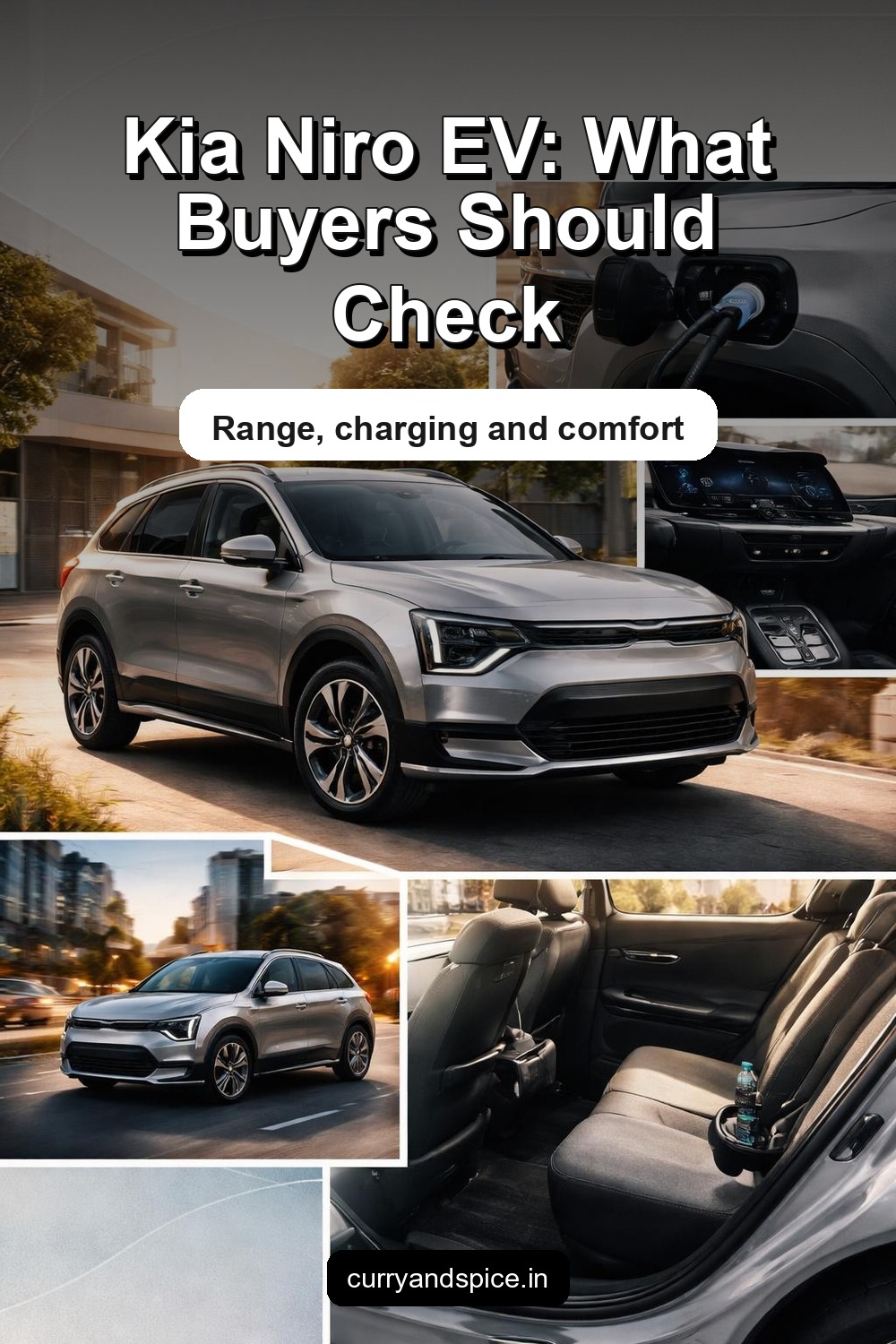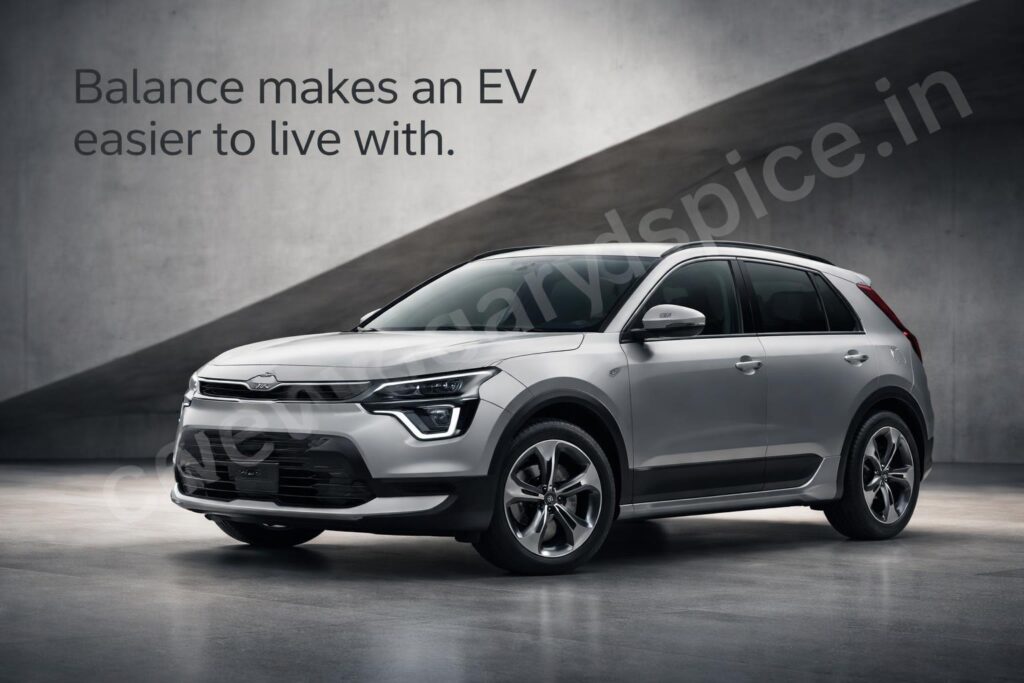
The hardest part of buying an EV isn’t usually the driving. It’s figuring out whether the range, charging, and cabin fit your daily life without turning every trip into a small planning exercise.
If you get that wrong, the car can look great on paper and still become annoying in real use. That’s why the Kia Niro EV deserves a closer look, especially if you want a compact electric SUV that feels easy to live with rather than flashy for one week and forgotten the next.
In this article, I’m looking at what makes the Niro EV interesting, where it should fit in the market, and what you should check before treating any launch headline as the full story. I’ll also point out a few practical things that matter more than spec-sheet bragging rights.
Why the Kia Niro EV matters right now
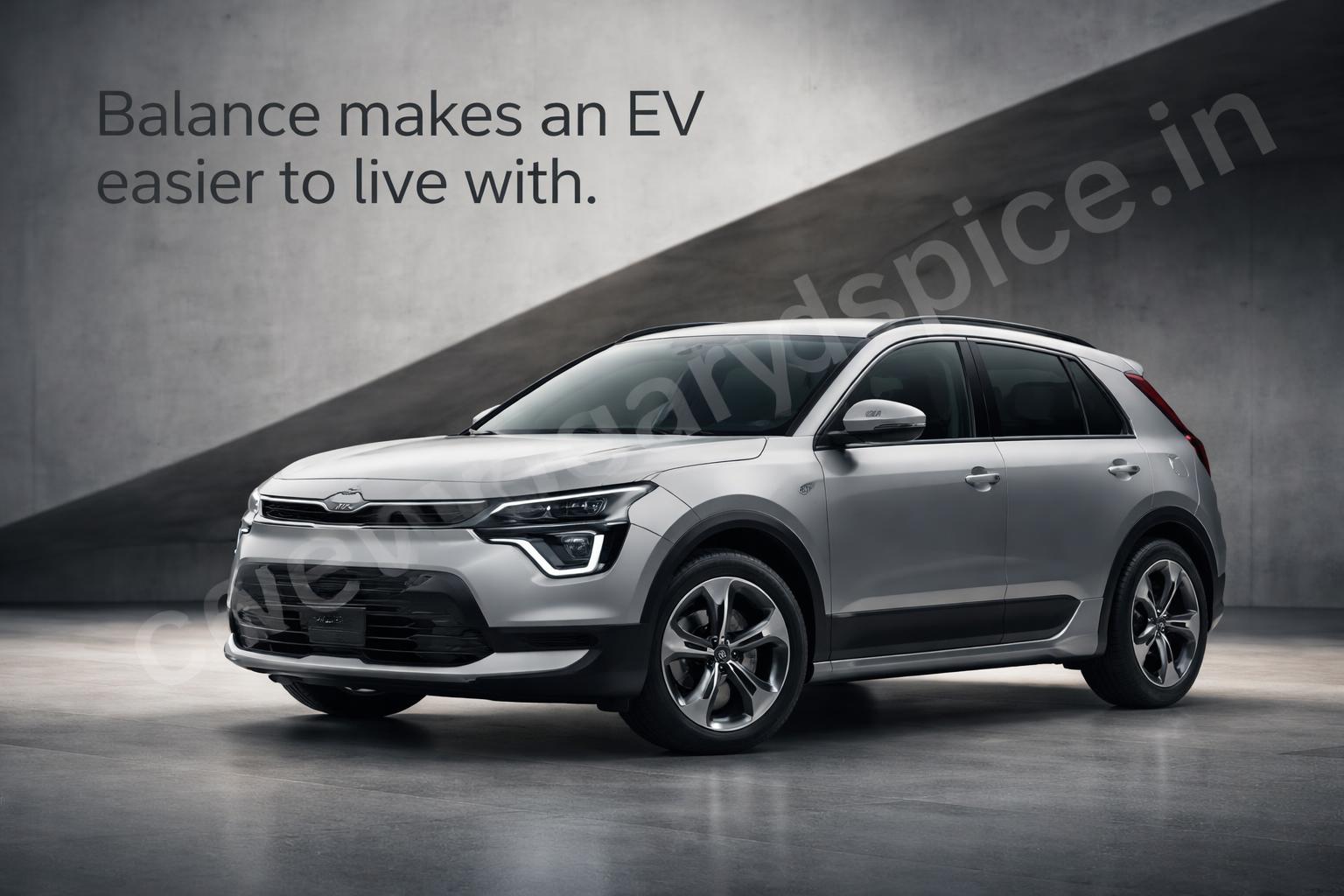
The Niro EV sits in a sweet spot that a lot of buyers actually want. It’s not trying to be a giant EV SUV, and it’s not pretending to be a tiny city hatchback either.
That middle ground matters. A compact footprint is easier in traffic and parking, but the raised driving position still gives you the SUV feel people keep asking for. In other words, it’s the sort of EV that makes sense if you spend most of your time in the city but still want something comfortable for longer drives.
A lot of attention in the EV space goes to big battery numbers and wild acceleration claims. But for regular use, the smaller details often matter more. Door openings, seat comfort, visibility, and how relaxed the car feels in stop-and-go traffic can shape your opinion faster than any brochure headline.
The Niro EV’s main appeal is balance. That sounds simple, but balance is exactly what many EV buyers end up searching for after the excitement wears off.
Electric powertrain: what it changes in daily use
A proper electric powertrain changes the rhythm of driving in a way that’s hard to appreciate until you spend time with it. The immediate torque, the quiet cabin, and the lack of gear shifts all make the car feel calmer in traffic.
That calmness is useful. You don’t arrive at work or home with the same sense of tiredness that some noisy, jerky drivetrains create.
The Niro EV is positioned as a practical electric SUV first, which means the real question isn’t just how fast it can sprint. It’s whether the battery, charging speed, and energy use line up with your routine.
Here’s the simple way I’d think about it:
- Short city commutes: easy to live with, especially if home charging is available.
- Mixed suburban driving: usually where EVs like this shine.
- Frequent highway trips: the charging plan matters a lot more than the badge.
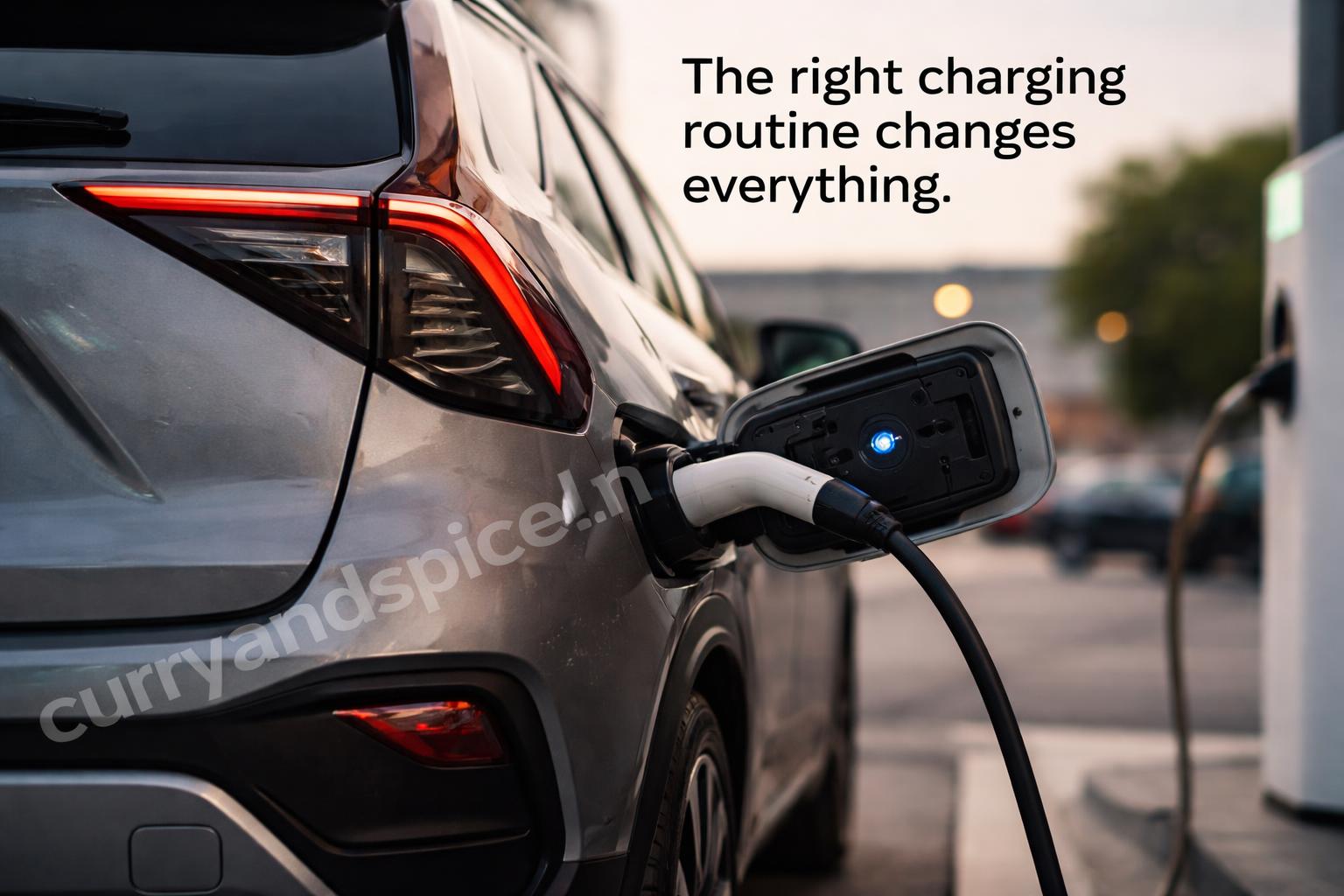
Most people don’t realize this until after the first month of ownership: the battery size only solves part of the problem. The bigger issue is whether your charging habits fit your life.
If you want a broader industry comparison, the U.S. Department of Energy’s EV basics guide is a useful starting point for understanding charging and range in plain language.
Design: compact SUV shape without the bulk
The Niro EV follows the modern compact SUV formula, but it doesn’t need to look oversized to feel current. That’s a good thing. Some EVs try too hard to look futuristic and end up awkward in daily use.
A compact SUV design makes more sense when the car is actually used as a daily tool. You want easy entry, decent visibility, and proportions that don’t make the car feel heavy in tight spaces. The Niro EV should appeal to buyers who want a cleaner, neater shape rather than a bulky road presence.
I’ve noticed that cars in this category often suffer from one of two problems. They either look too plain, or they pile on styling details that age badly. A restrained design usually lasts longer in real life. It’s easier to like after two years, not just on launch day.
That matters more than most people admit. You don’t stare at your car in a showroom all year. You live with it in traffic, parking lots, and rainy mornings.
Premium features people will actually notice
Premium features only matter when they reduce friction. If a feature looks good in a brochure but barely changes the way you use the car, it’s not really premium in the day-to-day sense.
That’s why the useful features in a car like the Niro EV are usually the comfort and convenience items. Things like a well-laid-out cabin, connected infotainment, practical storage, driver aids, and a sensible seating position tend to matter more than decorative touches.
A few features I’d pay attention to first:
- Seat comfort
- Touchscreen responsiveness
- Cabin storage
- Charging info visibility
- Driver-assist tuning
The last one is easy to overlook. Some systems sound advanced but feel too aggressive or too vague in traffic. Good tuning is what makes them usable.
If you’re wondering how launch information compares across the wider market, this is where other EV launches become useful context. For example, the Kia Syros EV launch coverage shows how brands are positioning compact electric SUVs with premium touches, while the Tata Sierra EV launch story highlights how design-led EVs are being framed for Indian buyers.
Range and charging: the part you should check twice
Range numbers can be useful, but they can also be misleading if you treat them like a promise. Real-world range depends on speed, traffic, climate, AC usage, and even how much time you spend waiting in congestion.
That’s why I always suggest looking at the whole charging picture, not just the headline battery figure. If a car has decent range but slow charging, you may still feel stuck. If the charging network near you is weak, even a strong battery won’t remove the stress.
Here’s a practical checklist before you get excited:
- Can you charge at home or work?
- What’s the nearest reliable fast charger?
- How much of your driving is highway-based?
- Will the usable range cover your worst-week routine, not your best week?
That last point is the one people skip. Use your real weekly pattern, not the ideal one. If your commute is short but your weekends involve long highway trips, the car needs to fit the weekend too.
For battery care and charging safety basics, the NHTSA EV owner guidance is worth a look because it stays focused on safety and everyday ownership, not hype.
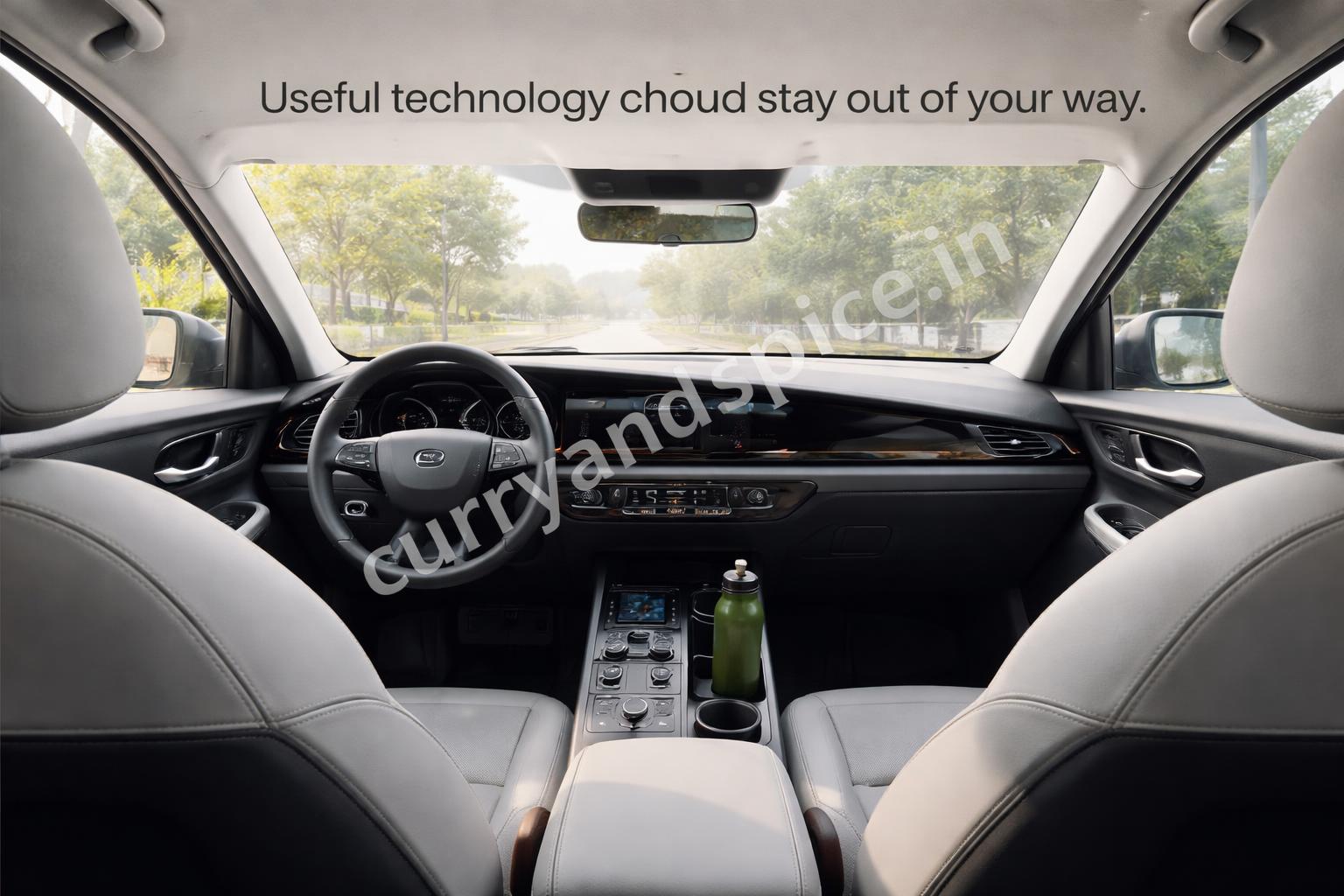
Interior feel: where the Niro EV can win quietly
The interior is often where a car earns long-term loyalty. You may forgive a busy exterior design, but you won’t forgive a cabin that feels awkward every morning.
With a compact electric SUV, the best interior is usually one that’s clean, intuitive, and easy to settle into. You want controls that make sense, displays that don’t distract, and enough space to carry normal life without constant rearranging.
One thing I’ve learned from following a lot of EV launches is that people often obsess over the screen and forget the seat and storage layout. That’s a mistake. A good screen can’t fix a cramped second row or a weird center console.
Look for these everyday wins:
- easy access to charging ports
- enough room for bottles, bags, and small clutter
- clear instrument visibility
- comfortable front seats on longer drives
- rear-seat comfort that doesn’t feel like an afterthought
The Niro EV should appeal strongly if you want a cabin that feels friendly rather than intimidating. That’s a bigger compliment than it sounds like.
How it fits against other new EV launches
The Niro EV doesn’t exist in isolation. Buyers now compare every new EV against whatever else is being announced, especially if they’re shopping in a similar price and size band.
That’s where launch coverage becomes useful, because it gives you a sense of how brands are positioning their cars. The Royal Enfield EV bike launch article may be a different vehicle category, but it still shows the broader shift toward electric mobility with premium packaging and lifestyle appeal.
In the EV SUV space, the real competition usually comes down to a few things:
| Buyer concern | What to compare |
|---|---|
| Range | Usable daily range, not just advertised figures |
| Charging | Home, office, and fast-charging options |
| Space | Cabin comfort and boot practicality |
| Features | Useful tech vs decorative tech |
| Trust | Warranty, service network, and battery support |
That table is more useful than a long list of glossy features. A car can look technically impressive and still lose if the ownership experience feels messy.
My advice: compare final ownership value, not just the launch buzz. That means checking the price you actually pay, the charging setup you’ll need, and how well the dealer network supports EV ownership in your area.
Who the Kia Niro EV seems best suited for
Not every EV is built for the same kind of buyer, and that’s fine. The Niro EV seems aimed at someone who wants an easy, refined, compact electric SUV without jumping into a large vehicle.
It should make sense if you:
- mostly drive in the city or suburbs
- want a calmer daily commute
- prefer a compact footprint
- care about useful tech more than aggressive styling
- can charge regularly at home or nearby
It may be less ideal if you’re chasing the longest possible range number or want a large three-row layout. In that case, you’re shopping in a different category entirely, and that’s okay.
I think that’s where a lot of EV confusion starts. People compare cars that solve different problems and then feel disappointed when the “winner” doesn’t fit their life. The better question is simpler: does the car make your week easier?
A few things I’d watch before calling it a good buy
Launch coverage can make almost any vehicle look ready for immediate purchase. Real ownership is less polished than that.
So before you get carried away by the Niro EV’s headline appeal, keep an eye on these practical points:
1. Service and support
EV ownership is easier when the service network actually understands EV-specific issues. That’s not the same as having a regular workshop nearby.
2. Charging convenience
If you rely too much on public chargers, your experience depends on things you can’t fully control. That gets old quickly.
3. Cabin usability
Fancy materials are nice, but daily convenience matters more. Small storage, good ergonomics, and simple menus save time every day.
4. Total cost
Don’t just compare listed prices. Compare final on-road cost, charger installation, warranty terms, battery coverage, and the trustworthiness of the seller.
That last part is where many buyers make a mistake. They focus on the car and forget the ownership ecosystem around it.
Final thoughts
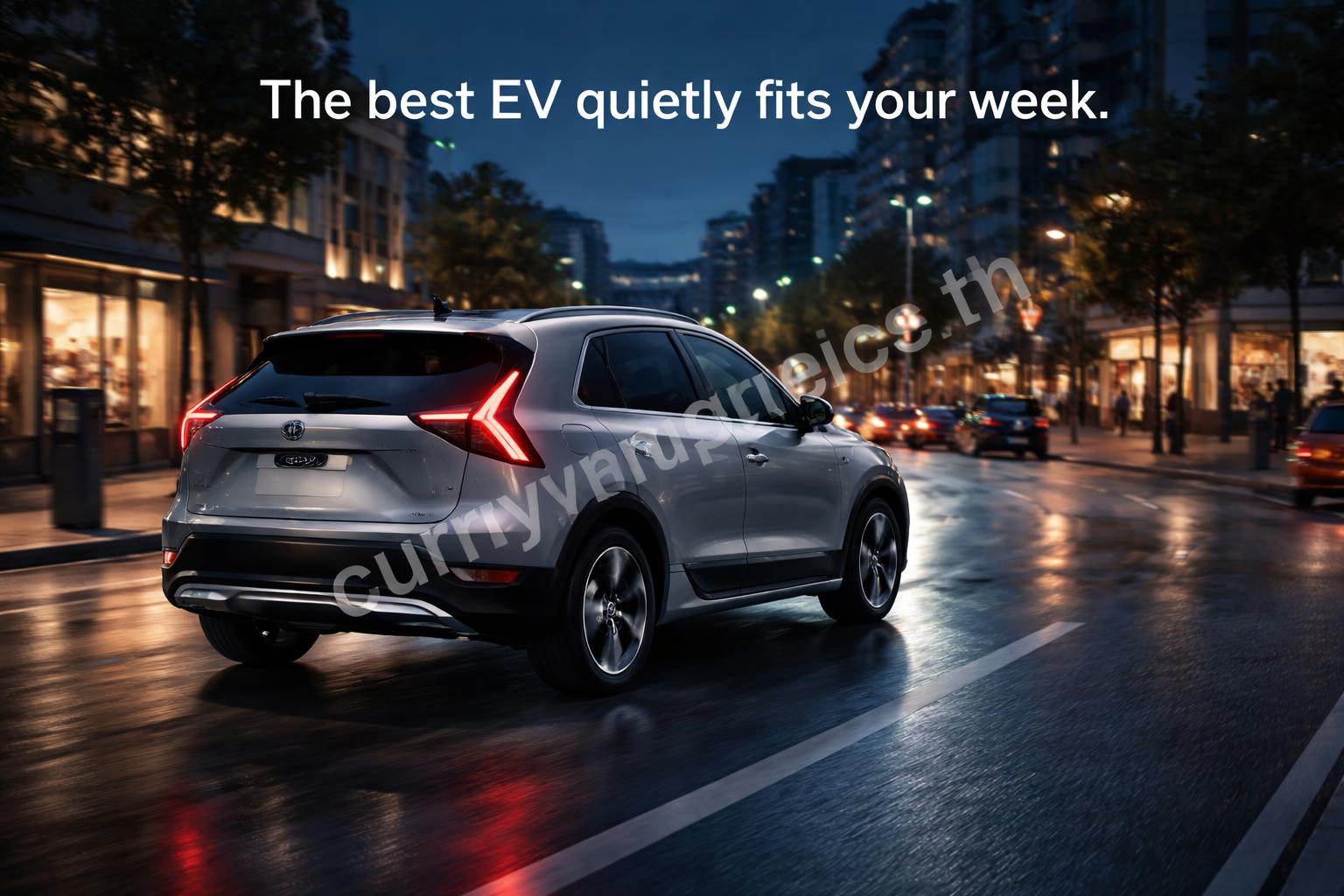
The Kia Niro EV looks like the kind of electric SUV that should appeal to practical buyers more than spec hunters. That’s a good thing, because EVs are finally moving past the “look what it can do” stage and into the “does this fit real life?” stage.
If the balance of range, charging, comfort, and compact size is right, this is the kind of EV that can quietly become easy to live with. And honestly, that’s the best compliment most electric cars can get.
For me, that’s the real test. Not whether a launch sounds exciting for one day, but whether the car still makes sense after the novelty wears off.
Save This Guide on Pinterest
Save this image to Pinterest so you can easily return to this guide later.