
The trouble with most new phones is that they start sounding alike after a while. Big screen, fast chip, good camera, AI this, AI that. If you ignore the details, you end up with a phone that looks flashy but feels ordinary after a week.
That’s why the Exaforce first AI voice-powered mobile is interesting. It’s not just another spec sheet launch. It’s trying to make voice control feel like part of the phone, not a gimmick sitting in a menu.
In this article, I’ll walk through what that idea means in real use, where it helps, where it might annoy you, and what to check before treating it like the next big thing.
What makes this phone stand out

The headline feature here is the voice-first AI experience. That sounds simple, but it changes the way a phone feels in daily use.
Instead of opening apps, tapping through screens, and digging into settings, the idea is that you speak first and let the phone do more of the work. For quick tasks, that can save a surprising amount of time. For busy people, that’s the kind of thing that sticks.
The device also leans on Snapdragon 8 Gen 3, which is a strong signal that this isn’t built like a half-baked assistant phone. That chip is fast enough to handle heavy apps, camera processing, and on-device AI tasks without turning the experience into a waiting game.
If you want to compare the launch details with another recent AI-heavy phone move, the report on the Honor robot phone launch with Snapdragon 8 Gen 3 and foldable AI features gives a useful reference point. It’s not the same product, of course, but it shows how quickly the category is shifting.
The big takeaway: this phone is trying to make AI useful in everyday actions, not just present in marketing banners.
Voice control only matters if it saves time
A lot of phone brands talk about AI voice features like they’re magic. They’re not. They’re only helpful if they reduce taps, confusion, or app switching.
That’s the real test for Exaforce. If you can say something simple like open an app, search a file, summarize a message, or trigger a setting without hunting around, then voice control earns its place. If it only works on a few commands, people will stop using it fast.
Most people don’t realize how often small tasks slow them down. It’s not one big problem. It’s ten tiny interruptions across the day.
A phone like this only works if the voice layer feels natural. Not perfect, just reliable enough that you trust it when you’re in a hurry.
Where voice-powered phones usually fail
A few common issues show up again and again in this kind of product:
- It hears you, but misreads the intent
- It works in quiet rooms, then struggles outside
- It feels fast at first, then gets clunky with repeated use
- It sounds smart, but doesn’t control enough apps
That last one matters more than people think. A voice feature is only as good as the actions it can complete.
Snapdragon 8 Gen 3 gives it a solid base
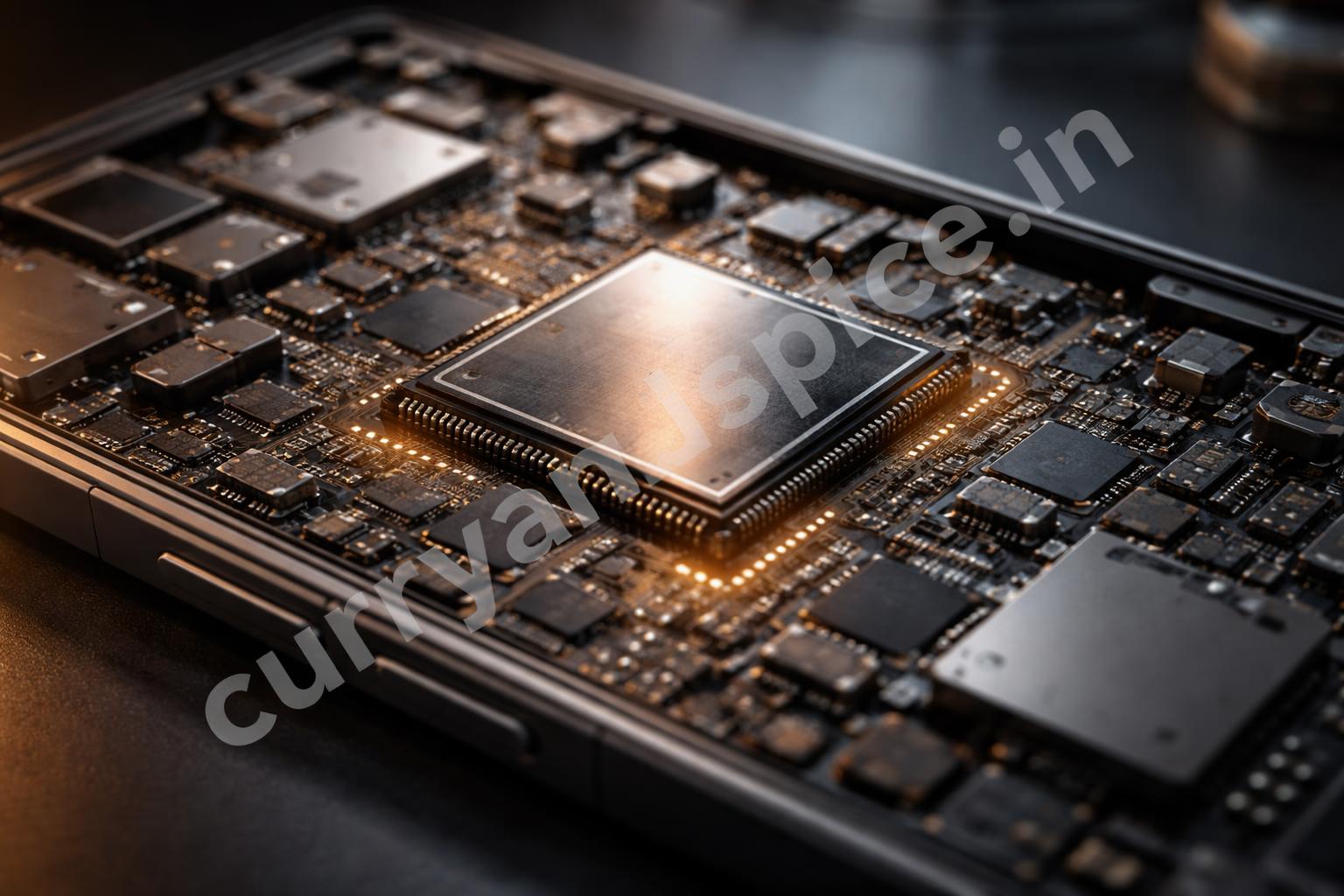
The Snapdragon 8 Gen 3 is one of those chips that changes how a phone feels before you even care about benchmark scores. Apps open quickly, multitasking feels smoother, and the system has more room to keep AI features from dragging.
That matters a lot for a voice-powered phone. Voice features need fast response times. Nobody wants to speak a command and then wait around like they’re using old smart-home hardware.
I’ve noticed that when phones combine AI features with a weaker processor, the whole experience feels delayed. Even if the feature works, it doesn’t feel pleasant. Speed is part of the product here, not a bonus.
If Exaforce has tuned the software well, the chip should help the phone stay responsive during normal use. That includes switching between apps, handling camera tasks, and keeping voice interactions from feeling like they’re stuck in traffic.
What this means for you
In practical terms, a strong chipset helps with:
- Faster response when using voice commands
- Better performance in games and heavy apps
- Less lag during multitasking
- Smarter on-device processing for AI tools
That’s the kind of foundation you want if the phone is supposed to be more than a novelty.
Design still matters, even for an AI phone
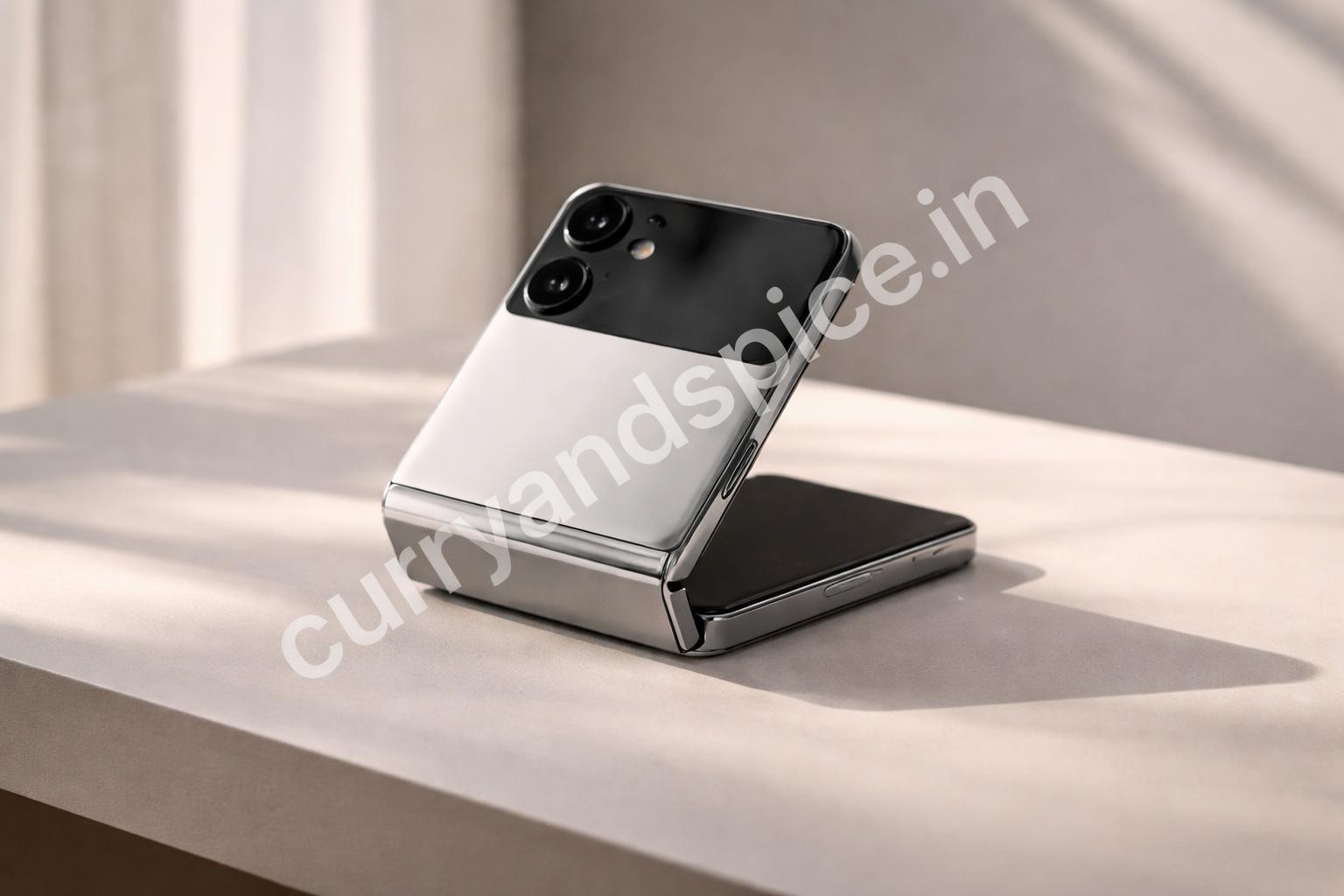
A phone can be packed with clever software and still fail if it feels awkward in the hand. That’s why design matters so much here.
The launch discussion around Exaforce points toward a premium design, and that’s the right direction. A voice-powered device should feel easy to handle, quick to pull out, and comfortable to use with one hand when needed. If the phone is too slippery or too bulky, people stop using the features they were excited about.
That’s something I learned the hard way with more than one “future-looking” gadget. Great ideas get ignored when the device itself is annoying to carry.
The best design choices are often the ones you don’t notice after a few days. Good weight balance. Easy button placement. A display that’s visible outdoors. A build that doesn’t feel fragile.
If Exaforce gets those basics right, the AI layer has a much better chance of becoming part of your routine.
What AI features should actually do for you
AI gets tossed around so much that it’s easy to stop paying attention. But on a phone, useful AI usually comes down to very ordinary jobs.
A smart voice layer should help with things like:
- finding information faster
- opening apps without scrolling
- translating or rewriting text
- managing calls and messages
- changing settings with fewer steps
That’s the kind of stuff people use every day. Not flashy demo material. Real life.
The thing to watch is whether the AI feels tied to actual habits. If the phone understands the kind of tasks you repeat often, it becomes more helpful over time. If it feels like a separate assistant you have to babysit, the magic fades quickly.
Useful AI is quiet AI. It should make the phone easier without making you think about the system all the time.
Foldable-style thinking is creeping into the category

Even when a launch is not fully centered on a foldable body, the whole market is clearly moving in that direction. Devices are becoming more flexible in shape, more experimental in how they handle multitasking, and more centered on different usage modes.
That matters because voice-powered phones don’t live in a vacuum. They compete with phones that already do a lot of things well. A device like Exaforce needs a reason to exist beyond “it has AI.”
The idea of a more adaptable design, paired with smart voice controls, is actually sensible. It can make one-hand use easier, improve app switching, and give people a more natural way to interact with the screen.
Still, foldable-style design brings trade-offs. Hinge durability, crease visibility, weight, and repair costs are all part of the discussion. Even if the phone itself isn’t fully foldable, the broader design trend raises those expectations.
A quick reality check before you buy
Before getting excited, it helps to slow down and check the boring parts. Those are usually the parts that decide whether a phone feels good six months later.
Use this simple checklist:
- How complete is the voice control?
- Does it work offline for any tasks?
- Is the AI useful or just promotional?
- What does the battery look like under heavy use?
- How trustworthy is the seller or launch partner?
- Will software support last long enough to matter?
That last point gets ignored a lot. A phone with a strong launch can still turn stale if software updates are weak or delayed.
For readers who like to compare phones fairly, the safest method is to look at the total package, not just the headline chip or AI feature. Compare battery life, storage, update policy, build quality, and after-sales support too. A phone that looks exciting on day one should still make sense on day 300.
How to think about value without getting fooled by hype

One thing I’ve seen with new tech launches is that people focus on the one feature that sounds new, then forget the rest. That’s an easy way to overpay for a product that doesn’t fit your life.
With a phone like this, ask a few simple questions:
- Will I actually use voice control every day?
- Do I need the Snapdragon 8 Gen 3 level of speed?
- Is this design practical for my pocket, bag, or hand size?
- Does the AI feel helpful, or just interesting for a week?
If you answer “yes” to only one of those, that’s worth thinking about. A single cool feature is nice, but it shouldn’t be the whole reason you buy a phone.
You can also compare it with other AI-led launches in the market. The Honor robot phone launch with Snapdragon 8 Gen 3 and foldable design is a good example of how brands are trying to combine design and intelligence in new ways. That makes the Exaforce story easier to judge, because you can see where the category is going.
Always compare the final package, not just the launch headline. That includes software support, battery behavior, and how comfortable the phone is to live with.
My take on the Exaforce idea
What I like most about a voice-powered phone is not the voice part itself. It’s the promise of less friction. If a phone can shave off a few steps here and there, the whole day feels a little smoother.
But that only works if the product is disciplined. The AI has to be useful. The chipset has to keep up. The design has to feel good in real use. And the software has to stay trustworthy after the launch excitement fades.
That’s why the Exaforce first AI voice-powered mobile is worth watching. It’s not just about whether the spec sheet looks strong. It’s about whether the phone makes ordinary tasks easier without making you think about the technology behind them.
I’d still want to see how the voice layer behaves after daily use, especially in noisy places and during messy multitasking. That’s usually where the truth shows up.
Final thought
The best new phones don’t just add features. They remove little hassles.
If Exaforce can do that with voice plus AI, and back it up with Snapdragon 8 Gen 3 speed and a design people actually want to hold, then it’s not just another launch. It’s a phone with a point.
Save This Guide on Pinterest
Save this image to Pinterest so you can easily return to this guide later.