
The strange part about robot phones is that they can look exciting and awkward at the same time
A phone that moves on its own sounds fun until you picture the day-to-day stuff. If the hinge is clunky, the camera arm feels gimmicky, or the battery drains too fast, the whole idea starts to look like a demo trick instead of something you’d actually carry.
That’s why the Honor Robot Phone matters. It’s not just about a new shape or a flashy camera idea, it’s about whether a phone can feel useful while still doing something new. In this article, I’ll walk through what stands out, what feels questionable, and what to keep an eye on before getting too excited.

What the Honor Robot Phone is really trying to be
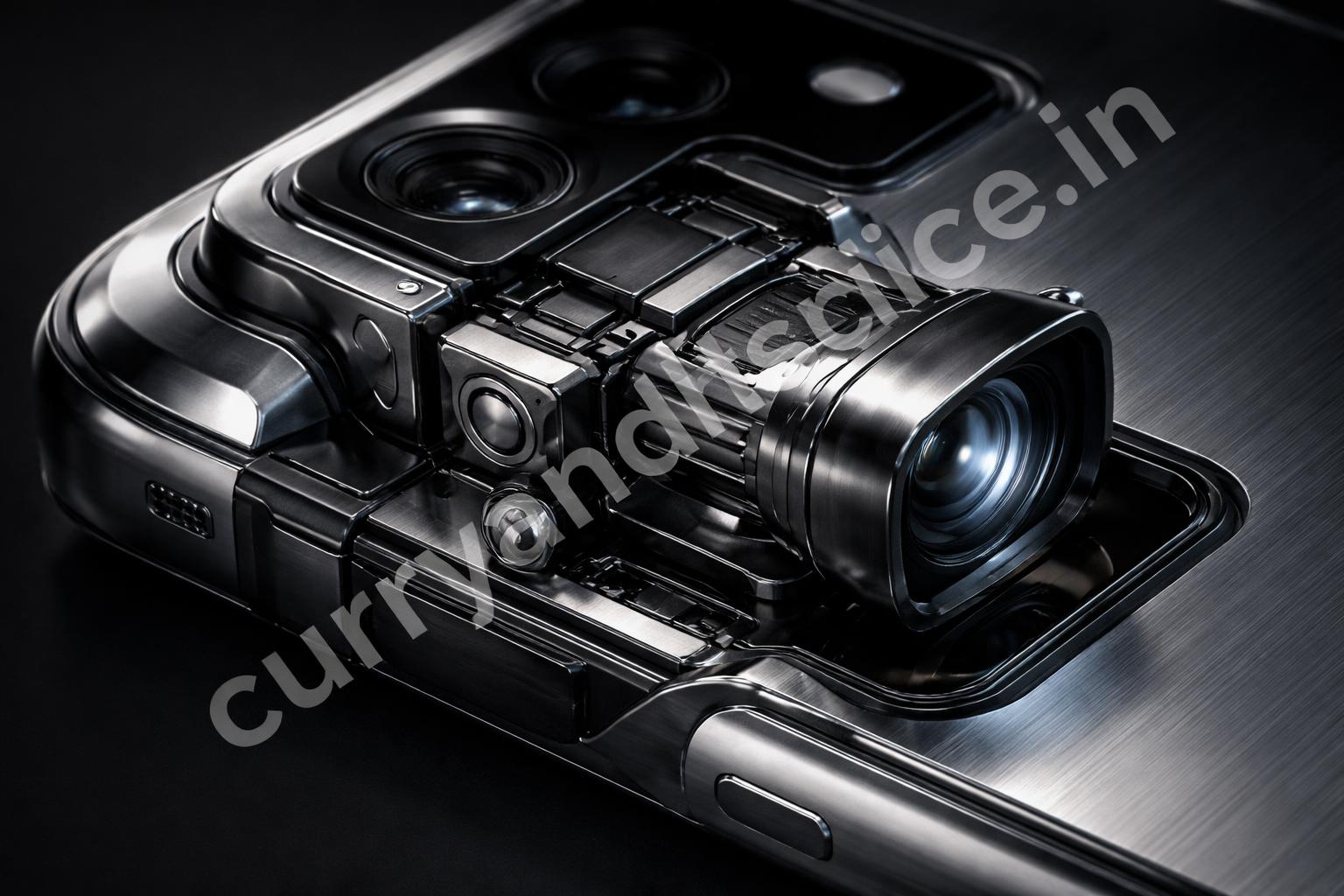
Honor isn’t pitching this like a normal slab phone with one extra feature. The whole idea leans into motion, with a design that seems built around a moving camera system and a more flexible relationship between the phone body and the lens.
That changes the conversation right away. Instead of asking, “How many cameras does it have?” you start asking, “What can the camera actually do when it can move?” That’s a more interesting question, and honestly, it’s the one that makes this phone stand out from the usual launch cycle.
Most people don’t realize how much a phone’s design limits the camera experience. A moving camera setup can open up wider framing, better angles, and more playful shooting, but it also creates more things that can go wrong.
Why the moving camera idea is the headline
The camera is the part that gets the most attention, and for good reason. A robot-style camera module suggests more than one fixed position, which could make selfies, vlogging, and subject tracking feel a lot more natural.
That sounds small, but it changes how you use the phone. You don’t have to twist your wrist as much or hold the device in weird ways just to get a decent shot. That’s the kind of thing you only appreciate after the novelty wears off.
There’s also a trust issue here. Moving parts can be useful, but they need to feel solid. If the mechanism feels fragile, people will worry about durability before they ever enjoy the feature.
A good moving camera system should do three things:
- feel smooth, not twitchy
- stay accurate when it tracks movement
- keep the phone usable even when the feature isn’t active
If it can’t do those three things, the robot part becomes a distraction instead of a benefit.
Design: flashy, but not useless
From a design point of view, the Honor Robot Phone seems to be trying to balance two opposite goals. It wants to look futuristic, but it also has to remain a normal phone in your pocket.
That’s harder than it sounds. Extra moving hardware can add thickness, weight, and heat concerns. So when I look at a concept like this, I’m not just asking if it looks cool. I’m asking whether I’d still want to carry it after a week.
A smart design doesn’t just look different. It reduces friction.
That’s the big test here. If the robot mechanism helps the phone capture better shots without turning the rest of the device into a burden, then the design earns its place. If not, people will probably admire it more than they’ll actually use it.
One detail I always watch for in phones like this is the grip. Moving-camera phones can feel top-heavy if the lens module is too prominent. That becomes annoying fast, especially when you’re shooting one-handed.
Specs matter, but the real story is the experience
The Honor Robot Phone is expected to lean on serious processing power, likely in the same conversation as premium Snapdragon-based flagships, because a camera that moves on its own needs fast image processing and smart software support.
Hardware alone won’t make this idea work. The phone needs software that understands what the camera is doing. That includes stabilization, subject tracking, fast switching, and maybe some AI-based framing help.
For readers who want to compare spec claims properly, it helps to check the official details and broader device ecosystem on sources like Honor’s official site and Qualcomm’s Snapdragon platform pages. Those won’t tell you everything about real-world feel, but they do help separate confirmed platform support from rumor chatter.
One thing I’ve learned with device launches like this is that specs sound better on paper than they do in hand. A fast chipset is important, but a weird motion feature can still feel slow if the software gets in the way.
What to watch for in the spec sheet
- Processor: should be powerful enough for camera tracking and AI tasks
- Battery: needs to handle the extra drain from moving parts
- Cooling: important if the phone gets warm during video use
- Storage: more useful if the camera system encourages lots of video clips
- Durability: probably the biggest long-term question
The practical upside: better hands-free and creator-friendly use
This is where the Honor Robot Phone could actually make sense. If the camera can track you, pan gently, or reframe itself without a tripod, that’s useful for short videos, casual content, and video calls.
Not everybody wants a phone that can do that, of course. But the people who do will probably use it more than they expect.
A moving camera can help with:
- Self-recording without awkward arm angles
- Video calls where the frame stays centered better
- Group shots that don’t need someone running back and forth
- Short clips where the camera follows action a little more naturally
That said, I’d still be careful about expecting miracles. A smart camera arm won’t replace good light, a steady hand, or solid app support. It can only make the process less annoying.

What could go wrong, and it’s worth saying out loud
This is the section people skip when they get excited about a new concept. But it matters.
The first risk is mechanical failure. More motion means more parts, and more parts usually means more chances for something to wear down.
The second risk is software inconsistency. If the phone misses a tracking moment or moves too late, the feature will feel gimmicky very quickly.
The third risk is battery impact. Motorized and AI-assisted features can chip away at endurance faster than people expect. That’s especially frustrating if the battery is already busy powering a high-refresh display and a flagship chip.
And the fourth is app support. If the moving camera only works well in one or two Honor apps, users may stop caring. Real value comes when the feature works across common tools, not just in launch demos.
How I’d judge the Honor Robot Phone after the hype settles
I’d look at it less like a novelty phone and more like a test of usefulness. A phone with robot-like motion has to earn every extra millimeter it takes up.
My simple checklist
- Does the camera movement help in normal use?
- Does it feel reliable after repeated use?
- Does the battery still last through a full day?
- Does the phone still feel comfortable in the hand?
- Would I use the feature when the wow factor is gone?
If the answer is yes to most of those, then Honor has something more interesting than a marketing stunt. If not, it’ll probably end up as one of those phones people remember for the first reveal and forget a month later.
The competition problem is bigger than the concept
Honor isn’t launching this in a vacuum. Phones already have strong autofocus, solid video stabilization, and software tricks that do a lot without moving physical hardware.
That means the Honor Robot Phone has to justify itself against simpler solutions. A regular flagship with strong AI tools and a good camera package may still be easier to recommend for a lot of people.
If you’re comparing it with other premium phones, don’t just compare camera counts. Compare the whole experience:
| What to compare | Why it matters |
|---|---|
| Final price | Moving hardware can push the cost up fast |
| Battery size and efficiency | Extra motion can affect endurance |
| Camera software | Good software can beat fancy hardware |
| Repairability | More complex designs are harder to service |
| Seller trust | Especially important if buying on launch hype |
That last point is easy to ignore. But when a device is new and unusual, the seller and warranty support matter just as much as the headline feature.
My honest take on the idea
I like the ambition here. That doesn’t mean I think every robot-style phone idea will work, but I do think the market needs more products that try something different for a real reason.
The Honor Robot Phone could be more than a talking point if the motion system improves everyday camera use instead of just showing off. That’s the line it has to cross.
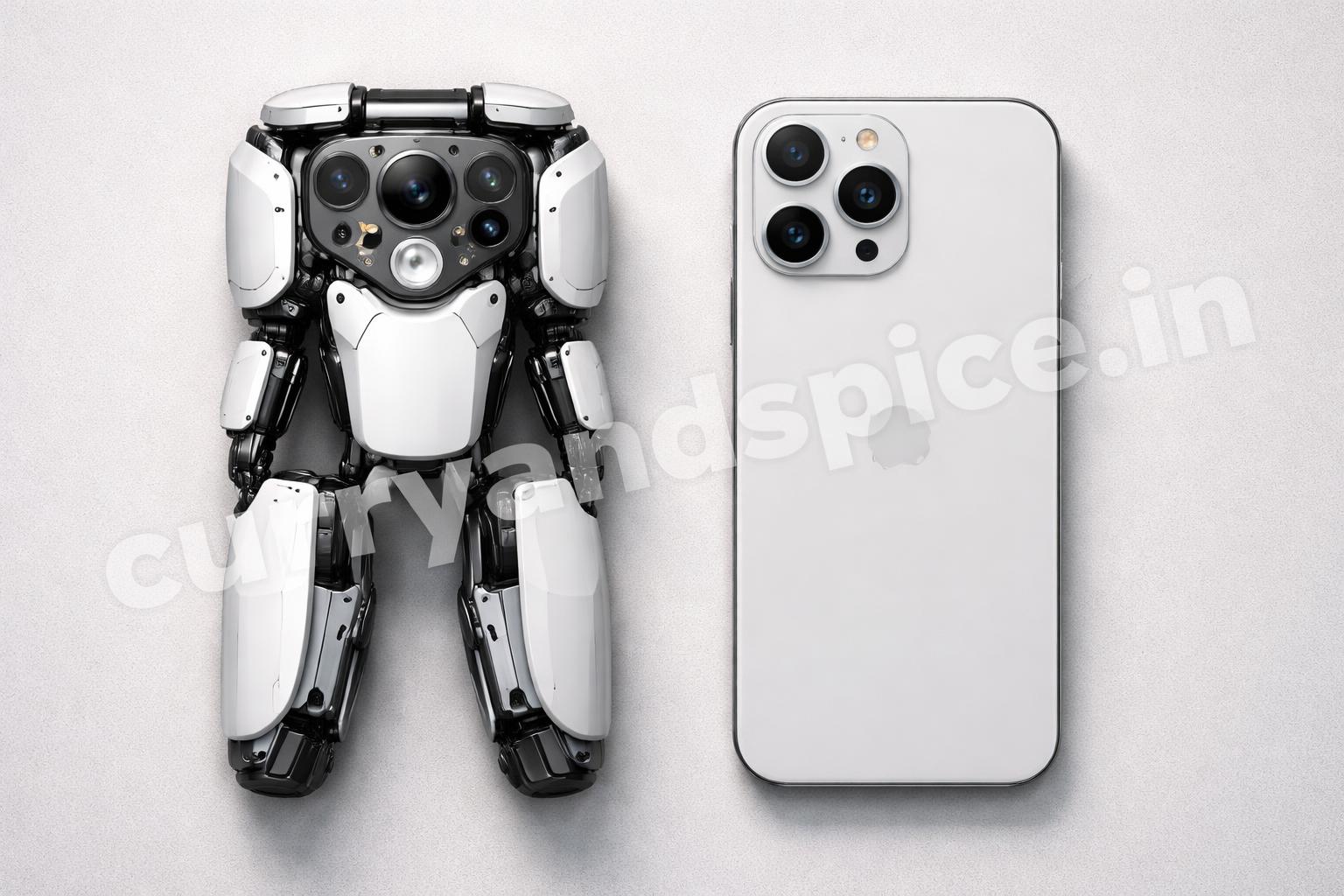
And there’s a small but important truth here: people are usually willing to forgive weird design if it saves them time or makes a task easier. They’re much less forgiving when weird design creates extra steps.
So if this phone is going to succeed, it needs to make the camera simpler, not more complicated.
What to keep in mind before buying anything like this
If the Honor Robot Phone reaches stores or opens pre-orders, don’t rush just because it looks new. Check the final bundle, the storage version, the warranty, and how the seller handles returns.
Here’s the part that matters most:
- Don’t compare only launch price
- Check shipping and taxes
- Look at the storage tier carefully
- Read the warranty terms
- Watch for early software bugs
A flashy device can be tempting, but early adopters often pay for the privilege of troubleshooting. That’s not always a bad thing, just something to accept with open eyes.
For anyone who likes to verify specs or feature claims through official sources, the best habit is to start with the maker’s own page and then compare it with component information from the chip vendor, such as Qualcomm Snapdragon hardware details. That makes it easier to see what’s real and what’s still just launch-language.
Final thought
The Honor Robot Phone feels like the kind of device you either dismiss in ten seconds or keep thinking about all week. I’m in the second group, mostly because it tries to solve a real camera problem in a strange but interesting way.
That’s enough to make me curious. Whether it becomes genuinely useful will depend on the boring stuff nobody likes to talk about: battery life, software polish, and whether the moving parts still feel good after the novelty fades.

Save This Guide on Pinterest
Save this image to Pinterest so you can easily return to this guide later.