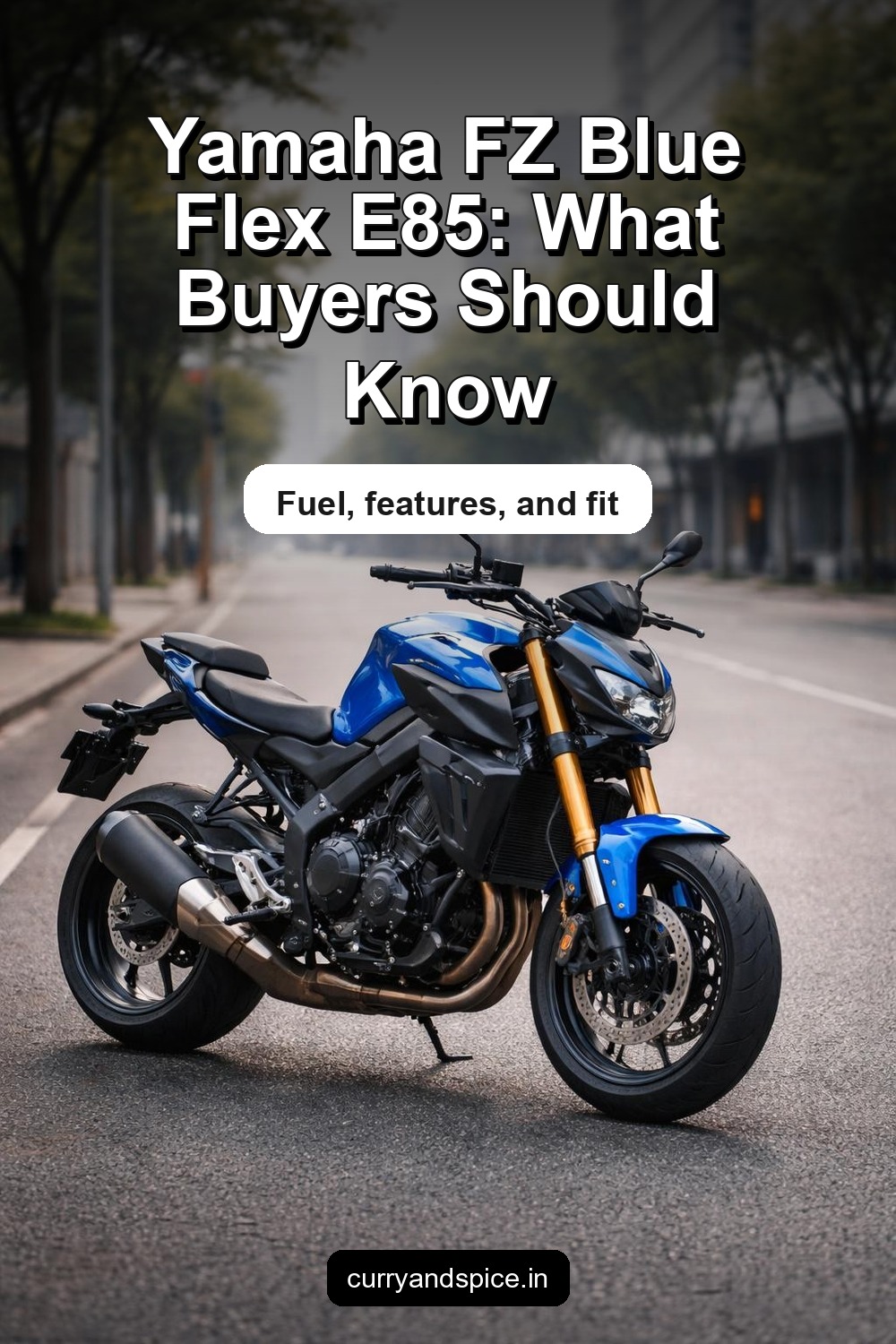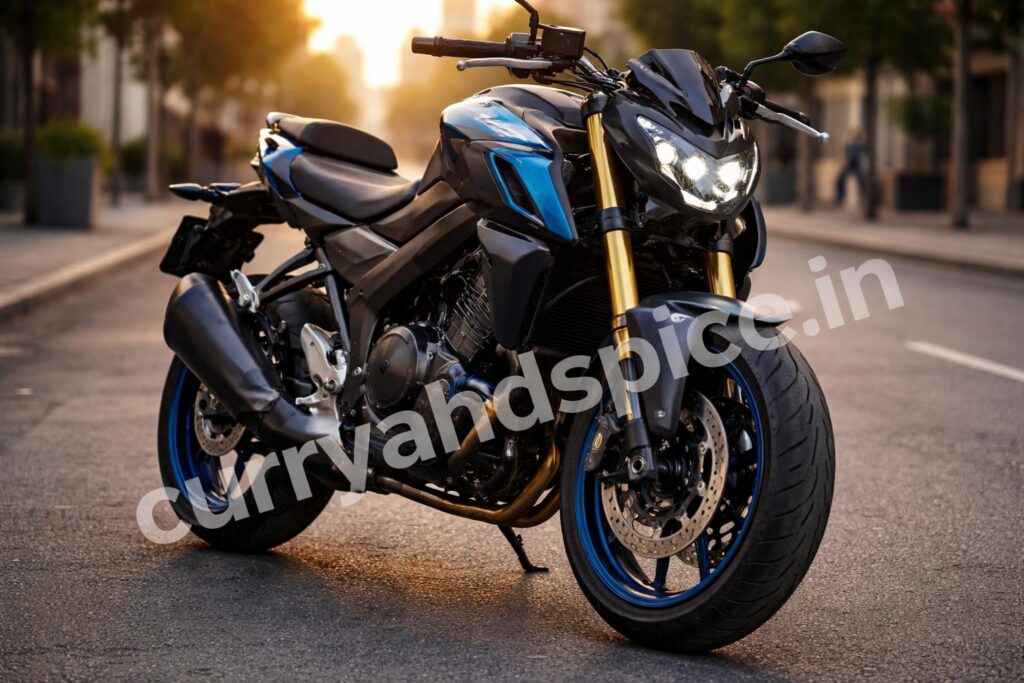
The fuel price conversation never really ends, and that’s exactly why bikes like the Yamaha FZ Blue Flex E85 get attention fast. If a bike can run on a cleaner ethanol blend without making everyday riding feel awkward, that’s a real advantage, not just a brochure claim.
But the catch is simple: if you only look at the headline and ignore the details, you can end up disappointed later. A flex-fuel bike should feel practical, predictable, and easy to live with, not just clever on paper.
In this article, I’ll break down what the Yamaha FZ Blue Flex E85 is trying to do, what it means for daily use, and where buyers should be careful before making a decision.
What the Yamaha FZ Blue Flex E85 is really about
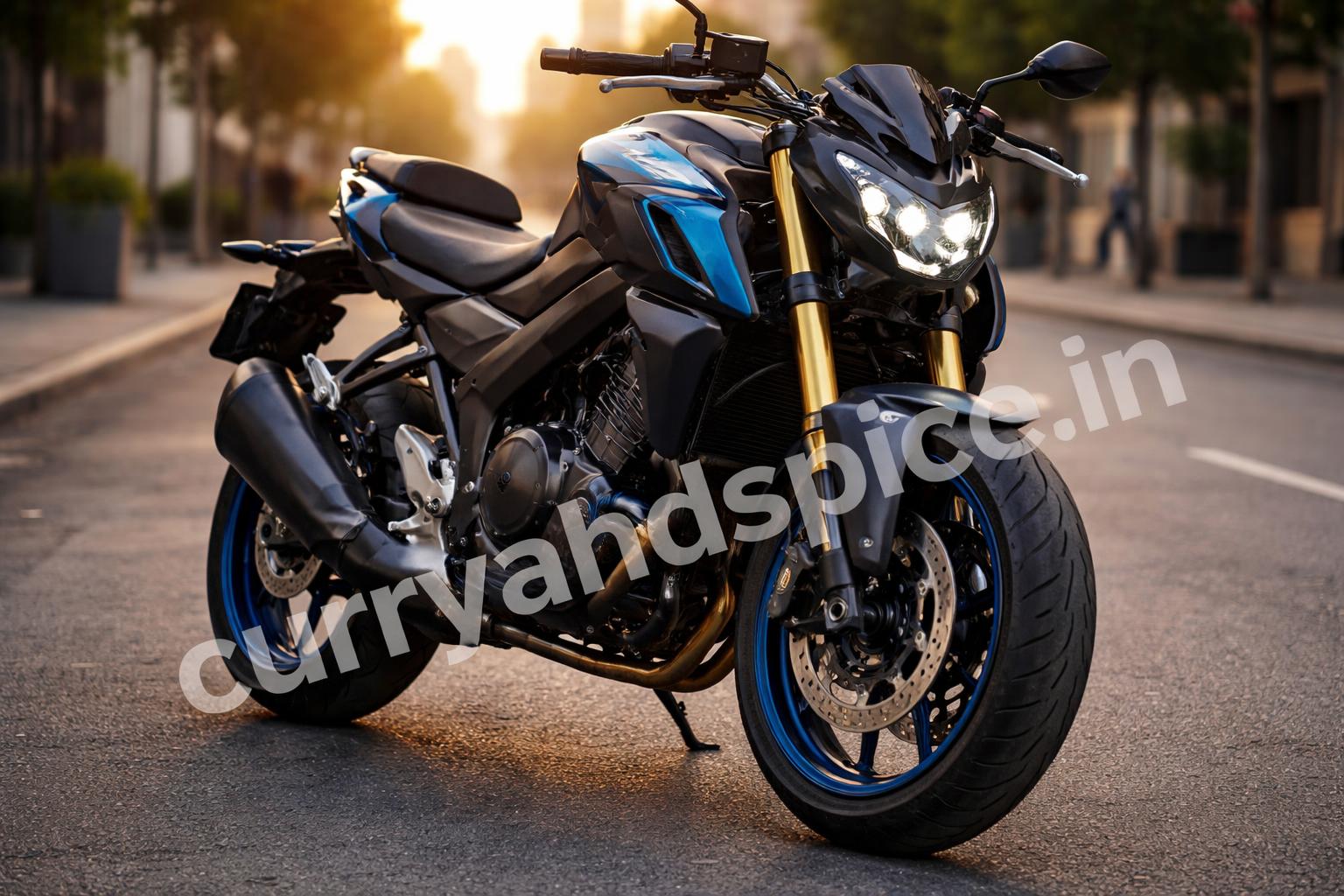
The biggest idea behind the Blue Flex E85 badge is flexibility. Yamaha is signaling that the bike is built to handle ethanol-blended fuel, which matters in markets where fuel choices are changing and people want more options.
That sounds simple, but it changes the ownership experience in a practical way. Instead of treating fuel choice as a fixed thing, the bike opens the door to a different kind of everyday riding strategy.
I’ve noticed that riders often get excited about new fuel tech, then forget the one thing that matters most: whether the bike still feels normal in traffic. That’s the real test here. If the engine response stays smooth and the bike remains easy to handle at low speeds, the flex-fuel part becomes useful instead of gimmicky.
For readers who like checking official background before buying anything new, Yamaha’s own product and tech pages are always the safest place to start. You can also compare the broader ethanol fuel context through India’s Ministry of Petroleum and Natural Gas updates on ethanol blending and keep your expectations grounded.
The short version: the Yamaha FZ Blue Flex E85 is less about flashy numbers and more about adapting the FZ formula to a changing fuel world.
Design that still looks like an FZ
The FZ family has always leaned toward a muscular streetfighter look, and that shape works because it doesn’t try too hard. The tank, stance, and overall proportions usually tell you this bike wants to look solid in city traffic.
That matters more than people admit. A bike with aggressive styling can become tiring if it feels bulky or hard to place in tight gaps. The FZ shape tends to avoid that problem.
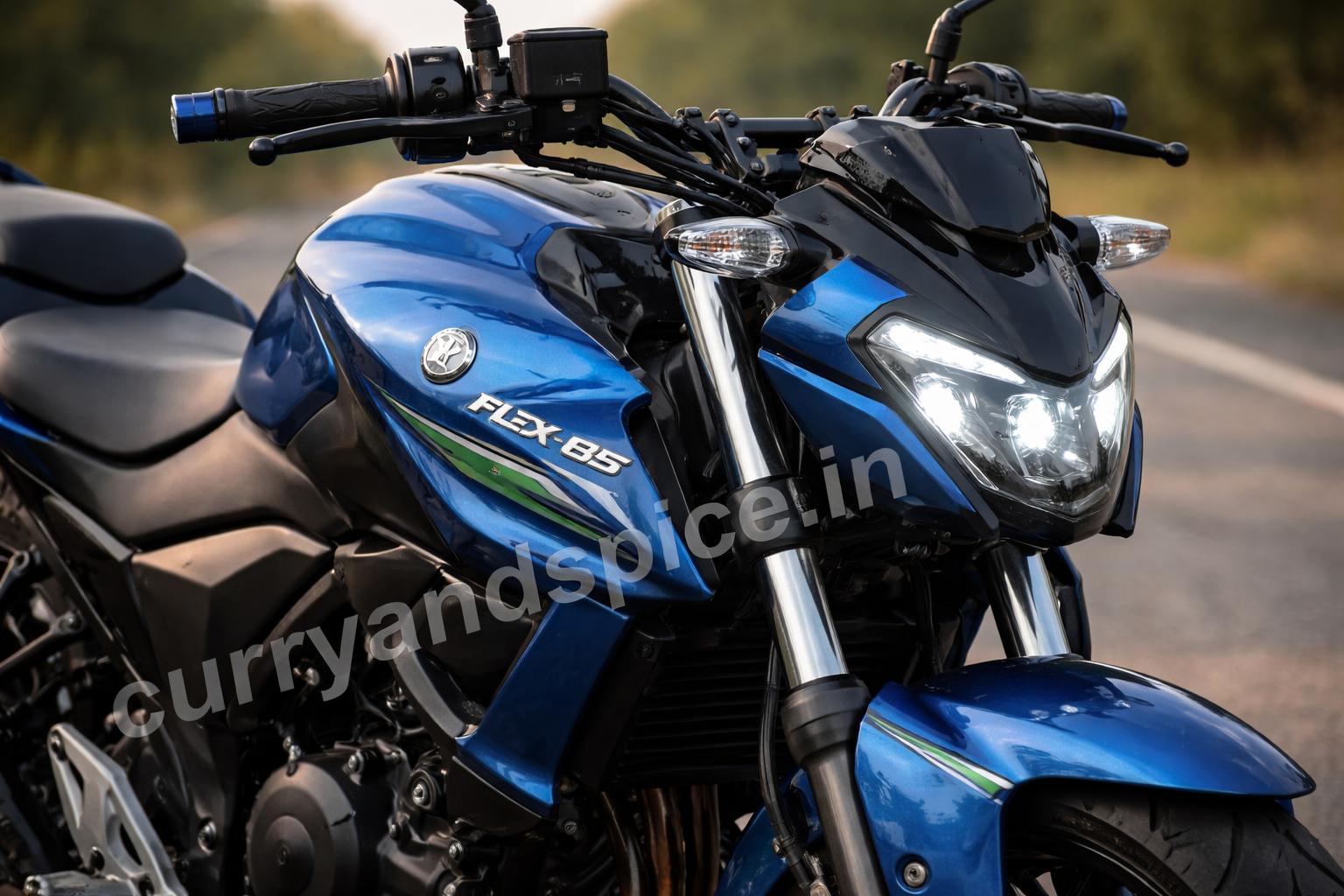
The Blue Flex E85 version keeps the look practical. It should appeal to riders who want something modern without going full sport-bike. That middle ground is important, especially if the bike is going to be used for office runs, short commutes, and the usual stop-start routine.
One thing I always look for on bikes like this is whether the design feels built around real use, not just camera angles. A well-shaped seat, easy bar reach, and a confident riding posture often matter more than sharp body panels.
What stands out visually
- Strong tank presence that gives the bike a planted look
- Clean streetfighter stance that suits city roads
- Simple but premium detailing that keeps it from looking overdone
- Blue-themed identity that makes the flex-fuel version easy to spot
That last point may sound minor, but it helps. If a special version looks too close to the standard bike, buyers often miss what they’re actually getting.
The 155cc engine angle and why it matters
The most interesting part for many buyers will be the engine setup. Yamaha’s 155cc platform has already built a reputation for being lively, smooth, and friendly in daily use, which is why it keeps showing up in different forms across the brand’s lineup.
Now, when you bring flex-fuel into the picture, the real question is not just peak power. It’s how the engine behaves with fuel blends that may burn a little differently than regular petrol. That can affect throttle feel, cold starts, and the general sense of refinement.
If you want a deeper look at how Yamaha has been shaping this engine family in newer products, this coverage of the Yamaha R2 launched with a 155cc engine and premium features gives a good sense of where the platform is heading.
I should say this clearly: a flex-fuel badge doesn’t automatically make a bike better for everyone. For many riders, the benefit will depend on how easy it is to find suitable fuel and whether the ride feel stays consistent.
In real use, the engine should help with:
- Easy city riding thanks to a usable power band
- Less stress in traffic, because smooth throttle response matters more than raw speed
- Better everyday practicality if the fuel flexibility works as intended
- A familiar Yamaha feel for riders who already like the brand’s 155cc setup
That’s usually where Yamaha does well. The bikes don’t always scream for attention, but they often feel sorted in the kind of riding most people actually do.
Premium features that make daily life easier
A lot of launch talk gets stuck on engine specs, but riders end up caring about small things. Things like the seat feel, instrument clarity, lighting, braking confidence, and switchgear quality can change how a bike feels after a month of ownership.
The FZ Blue Flex E85 is likely to attract riders who want a premium-feeling commuter without moving into a much more expensive category. That’s a crowded space, so details matter more than marketing language.
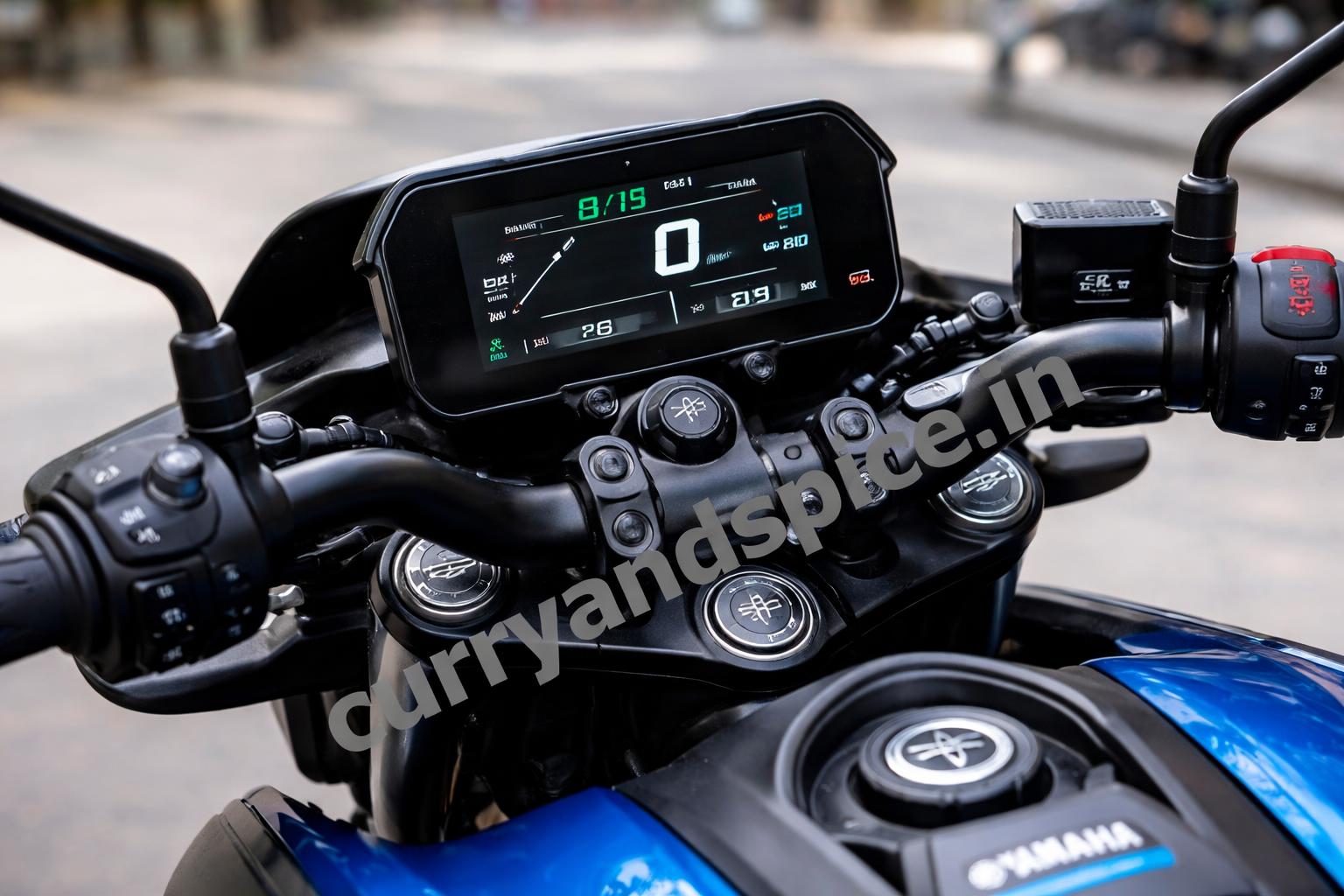
Here’s how I’d think about the features:
| Feature area | What it changes in daily use |
|---|---|
| Digital display | Easier to read at a glance |
| LED lighting | Better visibility and a cleaner look |
| Comfortable riding position | Less fatigue in slow city rides |
| Disc brake setup | More confidence in traffic |
| Refined switchgear | Small touch, but it affects the premium feel |
The key thing is not whether each feature sounds impressive on paper. It’s whether the bike feels thoughtfully put together. And honestly, that’s where many mid-range bikes win or lose.
A small but important point: if a bike is built for practical use, the seat and handlebar position often matter more than one fancy feature. Riders notice that after the first week, not after the showroom visit.
Who this bike makes sense for
Not every rider needs a flex-fuel motorcycle, and that’s okay. The Yamaha FZ Blue Flex E85 makes the most sense for people who care about everyday riding more than bragging rights.
It should suit riders who want a city-friendly bike, prefer Yamaha’s smoother character, and like the idea of supporting a fuel alternative without giving up a familiar riding style.
Best fit for:
- Daily commuters who want a dependable street bike
- Riders upgrading from smaller 125cc bikes
- People who value comfort over aggression
- Buyers who want a modern-looking bike without going extreme
Where it may not be ideal is just as important. If you’re hunting for hard-edged performance, a very aggressive riding position, or a big leap in excitement, this probably won’t feel dramatic enough.
That’s not a bad thing. In fact, it may be the whole point. Some bikes are easier to live with because they don’t overpromise.
The fuel question nobody should ignore
This is the part I’d pay the most attention to before buying. A flex-fuel bike sounds smart, but the ownership experience depends on real-world fuel availability, price differences, and how your local stations handle ethanol blends.
So before getting too excited, compare a few things:
- Fuel availability in your area
- Final on-road price
- Expected mileage with the fuel you’ll actually use
- Maintenance expectations
- Dealer support and warranty clarity
That’s the practical checklist. Not the brochure checklist.
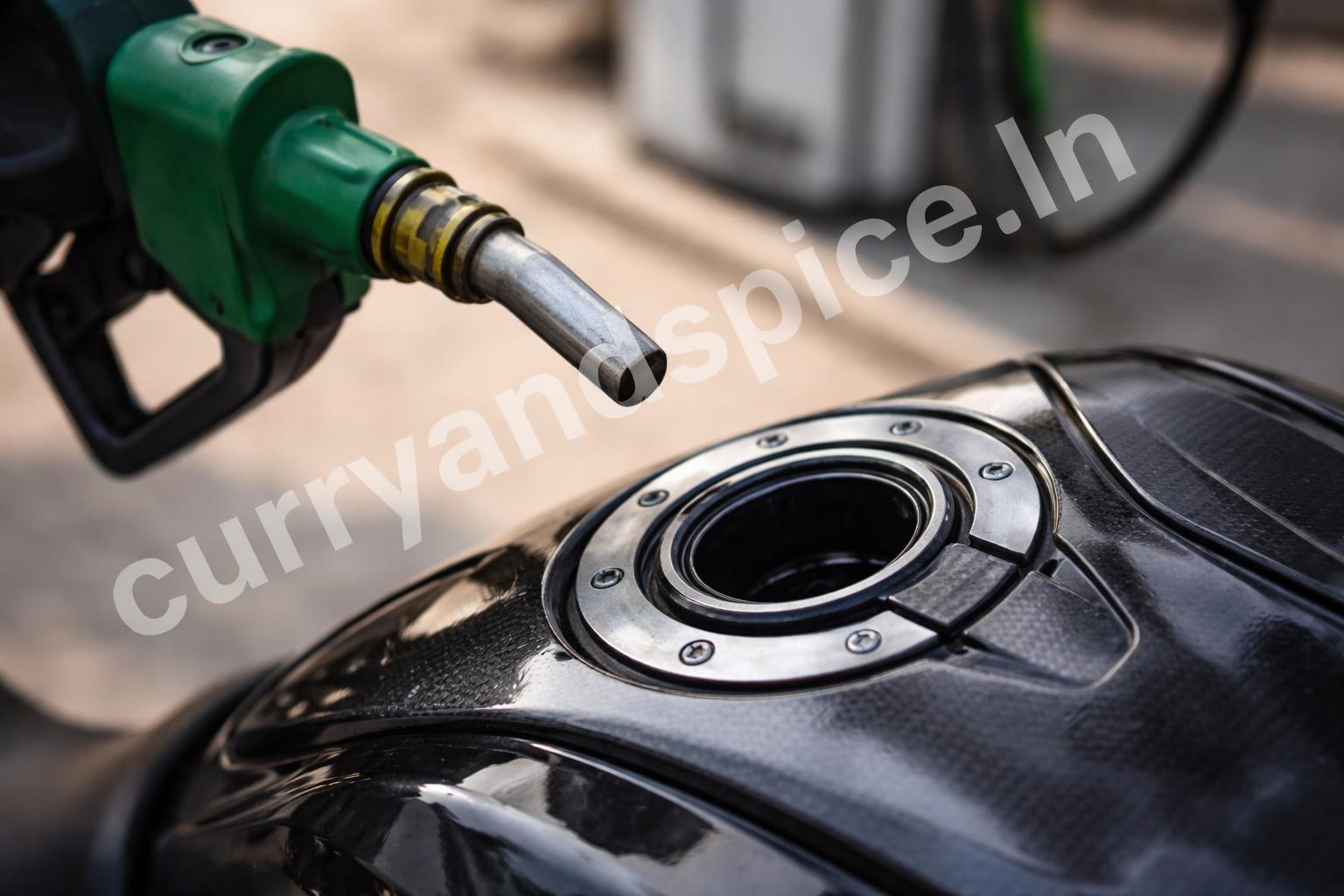
It also helps to remember that ethanol fuel discussions are still evolving. If you’re planning long-term ownership, you should think beyond launch-day enthusiasm and ask how easy the bike will be to use six months later, or two years later.
One thing I’ve seen buyers do is focus only on the “cleaner fuel” part and ignore convenience. But if the nearest compatible fuel station is far away, the idea becomes less useful fast.
A few things I’d watch before buying
I’d be cautious about three things in particular.
First, don’t assume all flex-fuel bikes feel identical to petrol-only versions. Even small calibration changes can affect cold starts or throttle response.
Second, check whether the bike’s premium features are actually useful to you. Some riders want a connected display, while others just want a clear speedometer and good lighting.
Third, look at the overall cost of ownership, not just the sticker price. A bike can look affordable until insurance, registration, accessories, and fuel habits start to shift the total.
Quick buyer checklist
- Confirm the exact engine and fuel compatibility
- Compare on-road pricing, not just ex-showroom figures
- Ask about service intervals and parts availability
- Check fuel station access in your routine route
- Sit on the bike before deciding; posture matters more than people think
Always compare the final ownership cost, not just the launch headline. That’s where the real answer usually hides.
Yamaha FZ Blue Flex E85 in the bigger picture
The launch of a bike like this says something bigger about the market. Manufacturers are no longer treating fuel alternatives as side projects. They’re starting to build them into mainstream models.
That’s good news for riders, because it means more choice. And choice usually helps when fuel prices keep changing and commuting remains the main use case for a lot of buyers.
If Yamaha keeps the formula balanced, the Blue Flex E85 could become the kind of bike people recommend quietly, not loudly. Those are often the bikes that last in the market.
For readers who want to compare how Yamaha is shaping similar products, the earlier Yamaha R2 launch coverage is worth a look, especially if you want to understand the design and engine direction a little better.
And if you want to understand the fuel side more seriously, the official ethanol blending information from the Government of India is a useful reference instead of relying on social media guesses.
Final thought
The Yamaha FZ Blue Flex E85 looks like one of those bikes that tries to be useful first and exciting second, and that’s not a weakness. For a lot of riders, that’s exactly what works.
If Yamaha has kept the ride smooth, the stance comfortable, and the fuel flexibility genuinely practical, this could be a very sensible choice. And sometimes sensible is the smartest thing on two wheels.
Save This Guide on Pinterest
Save this image to Pinterest so you can easily return to this guide later.