
If you’re even a little unsure about buying a car right now, that hesitation might be telling you something useful. A lot of current models are good, but the next wave of launches could make today’s showroom choices feel a bit rushed.
That matters because a premature buy usually leads to one annoying outcome: you end up paying for a car that feels dated too soon, or misses the one feature you really wanted. So instead of forcing a purchase, it often makes more sense to wait and watch what’s coming.
In this article, I’m focusing on 7 upcoming car launches that are worth waiting for. Some are likely to bring lower running costs, some should raise the bar on cabin tech, and a few may hit that sweet spot of premium feel without stretching your budget too far.
Why waiting can be the smarter move right now

I’ve seen this happen more than once: someone buys a car because the deal looks decent, then a newer model appears a few months later with better features, better mileage, or a more sensible engine choice. That’s the part people forget while staring at brochures.
The good news is that not every “new launch” is just hype. Some upcoming cars really are worth waiting for because they solve actual daily problems, like fuel bills, long-distance comfort, or the lack of useful tech in current models.
A quick way to think about it:
- If running cost matters most, wait for the CNG options.
- If cabin feel matters most, watch the premium SUV launches.
- If budget matters but you still want a premium vibe, keep an eye on the sub-₹20 lakh SUVs.
And if you’re comparing current offers with future launches, don’t just chase the sticker price. Final on-road cost, service network, fuel type, boot space, and feature set matter just as much.
1) Maruti Suzuki Fronx CNG
Among the upcoming CNG models, the Fronx CNG stands out because it already has the kind of shape people actually want to park outside their house. That sounds simple, but it’s a big deal. A lot of CNG cars still feel like they were chosen only for savings, not for daily pride of ownership.
The Fronx should appeal to buyers who want lower fuel bills without giving up style. Maruti’s CNG setups usually make sense for city-heavy use, and that’s exactly where this car is expected to fit in best.
One thing I’d watch closely is boot practicality. CNG cars often lose some usable space, and that can become annoying faster than you expect if you regularly carry school bags, groceries, or weekend luggage. People don’t notice that limitation on the test drive, but they feel it after two months.
For more background on where the CNG market is heading, the roundup on upcoming CNG car launches and lower running costs is a useful place to compare likely contenders.
2) Toyota Taisor CNG
The Taisor CNG is interesting for a different reason. Toyota buyers usually expect a bit more refinement and a calmer ownership experience, so this could be a smart pick for anyone who wants CNG savings but doesn’t want the car to feel purely utilitarian.
If it arrives with the right tuning, it may become one of those cars that works quietly in the background. That’s what CNG buyers usually want, even if they don’t say it out loud. They want fewer fuel station visits, not a vehicle that reminds them of compromise every time they drive it.
What could make it a strong buy:
– better brand perception than a bare-bones commuter
– likely smooth urban use
– sensible running cost for daily office drives
Still, CNG buyers should be realistic. If your usage includes lots of highway runs with a full cabin, or you carry heavy luggage often, you should wait for the full specs before getting excited. The official fuel-system details matter more than the launch buzz.
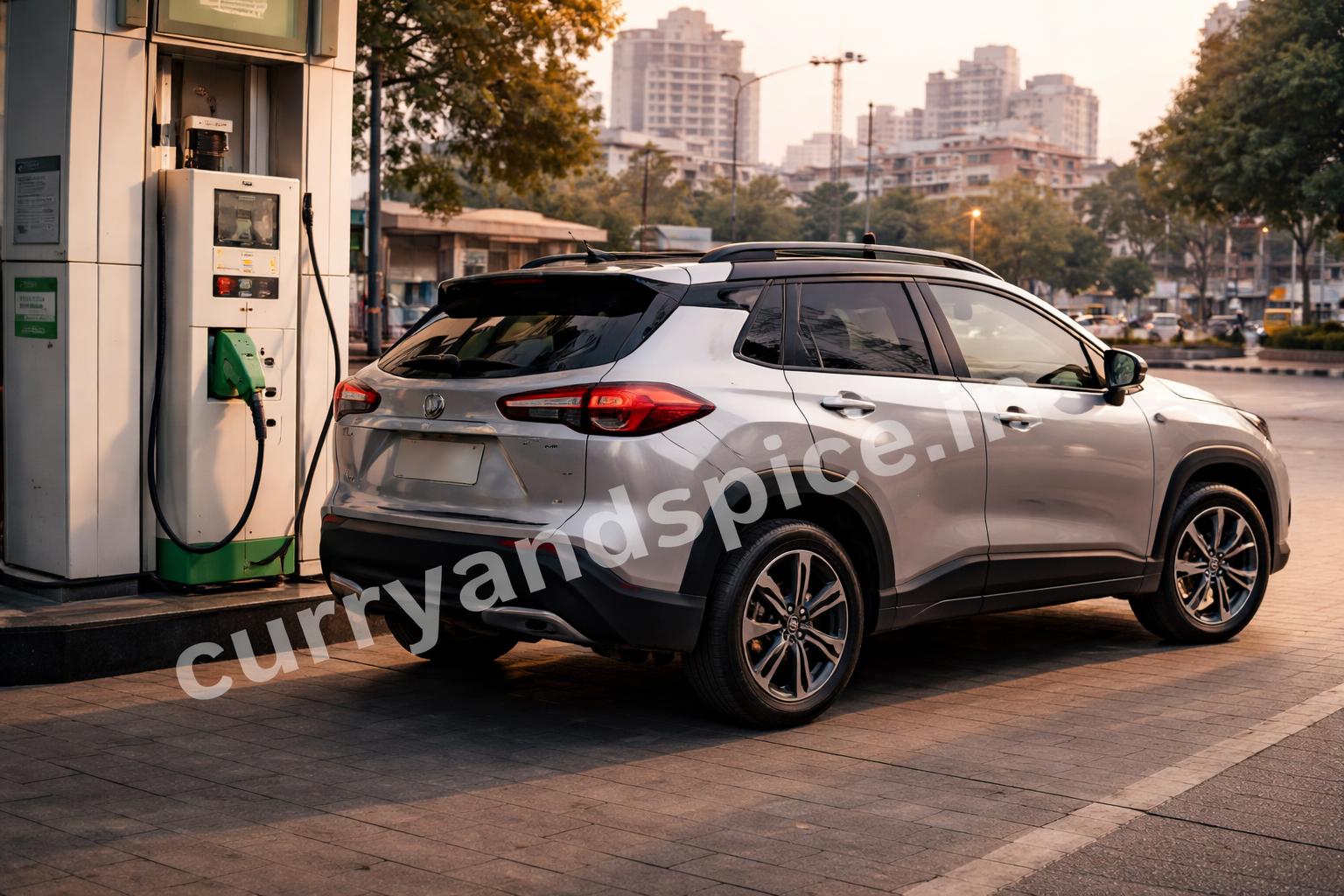
3) Hyundai Creta EV
This is one of those launches that could change a lot of people’s buying plans. The Creta name already has reach, and if Hyundai gets the EV version right, it may pull buyers away from both petrol SUVs and some early electric crossovers.
What makes this interesting isn’t just the battery. It’s the fact that a familiar, roomy SUV shape paired with electric power usually feels easier to adopt than a futuristic EV design. That matters for families. Most people don’t want to “learn” a car every morning.
The real question will be range consistency, charging convenience, and whether the price lands in a sensible zone. That last part is the one people underestimate. A feature-rich EV can look perfect on paper, but if the final on-road number feels too close to larger segments, the decision gets harder very quickly.
If you’re tracking premium feature upgrades across the segment, this broader look at premium SUV launches with stunning new features gives good context for where the bar is moving.
4) Kia Seltos facelift or updated trim line
Kia has been good at making the Seltos feel a little more premium than the average compact SUV, and that’s exactly why any meaningful update is worth waiting for. The Seltos usually wins people over through cabin presentation, not just equipment lists.
A refresh could sharpen the package further with new convenience features, a better connected-car setup, or small cosmetic changes that make the cabin feel newer. Those details sound minor until you spend a lot of time inside the car. Then they matter a lot.
I’ve noticed that buyers often focus on the engine first and the dashboard later. In real life, it’s often the opposite. You live with the dashboard every day, but you only think about the engine hard when traffic gets bad or the highway starts stretching out.
A Seltos update could be a better wait than a rushed buy if you want a compact SUV that feels closer to the next segment up.
5) Tata Curvv ICE
The Curvv is one of the most intriguing upcoming SUVs because its shape already promises something different. It doesn’t look like another box on wheels, and that alone will attract buyers who are tired of the same familiar silhouette.
The ICE version could be especially relevant for people who want a style-first SUV but aren’t ready to shift to electric. That’s a real segment, and it’s bigger than many people think. Not everyone is chasing EV ownership today, even if they like the idea of a fresh design.
The practical challenge will be balancing design with everyday usability. Sleek rooflines can look great in photos, but rear headroom and visibility are what decide whether the owner keeps praising the car after the honeymoon period.
Here’s the useful part: if Tata keeps the cabin quality, safety focus, and pricing discipline in place, the Curvv ICE may end up feeling like a much smarter buy than some current options that are already starting to look tired.
6) Mahindra XUV300 successor
The XUV300 successor is one of those launches I’d personally wait for if I were shopping in this segment. The current market has enough compact SUVs, but not all of them feel truly grown-up inside. Mahindra has a chance to fix that.
A good successor should bring better packaging, a fresher cabin, and stronger road presence. That’s the combination that wins in this part of the market. People want the car to feel solid without being oversized, and they want the inside to feel like someone actually thought about daily life.
A compact SUV often succeeds or fails on tiny things:
- easy seat access
- useful storage
- comfortable rear bench
- a dashboard that doesn’t feel cluttered
That sounds basic, but these are the details that decide whether a family keeps loving the car six months later. Waiting here could save you from buying something that feels acceptable today and regretful next year.
7) Honda Elevate hybrid possibility
This is the most cautious item on the list, but also one of the most interesting. If Honda brings a strong hybrid or a serious efficiency-focused update to the Elevate, it could become a very sensible choice for people who want a no-drama SUV with lower fuel stress.
Honda already has a reputation for smoothness, and that matters in the long run. A hybrid setup would make even more sense for buyers who split time between city traffic and highway runs. That mix is where hybrids often shine without forcing a full EV lifestyle.
The main thing to remember is this: hybrid technology only makes sense when the final price and real fuel benefit line up well. If the premium gets too high, buyers may look elsewhere. So this is a launch to watch, not to assume.
For anyone who likes reading around the market before deciding, the overview on new SUVs under ₹20 lakh that feel truly premium is a useful companion piece because it shows how crowded the value space has become.
How to decide whether to wait or buy now

This is where a lot of people make the wrong call. They either wait forever or buy too early. Neither is smart.
A simple rule helps:
- Buy now if your current car is failing or you need immediate replacement.
- Wait if your main concern is fuel cost, features, or better value.
- Shortlist current cars only if an upcoming launch doesn’t clearly beat them on paper.
- Compare the final on-road amount, not just the ex-showroom headline.
- Check after-sales support, especially if you live outside a metro city.
That last point is easy to ignore, but it’s huge. A car with great specs and weak service access can become a headache very quickly.
What these upcoming launches tell us about the market

The biggest shift I notice is that buyers are demanding more than just a badge and four wheels. They want lower running cost, better cabin feel, and features that actually help in daily use. That’s why CNG models, premium SUVs, and value-focused SUVs are all moving in parallel.
It also shows that the old “pick fuel economy or pick comfort” split is becoming less rigid. More upcoming launches are trying to offer both, even if they do it in different ways. CNG handles the cost side, premium SUVs handle the feel side, and the best sub-₹20 lakh SUVs try to do a bit of both.
That’s encouraging, but it also makes the buying decision more annoying. There are more options, not fewer. So the smart move is to wait only where the upcoming model clearly fits your use case better.
A few launches I’d watch especially closely

If I had to narrow the list further, I’d focus on these three things first:
- CNG cars if your daily drive is mostly city use and fuel bills sting.
- Premium SUV launches if you care about interior quality more than raw specs.
- SUVs under ₹20 lakh if you want the best mix of practicality and perceived value.
That’s because these are the categories where small improvements can have a big effect. A better seat, a quieter cabin, or a more efficient engine can change your ownership experience more than a flashy feature sheet.
And honestly, that’s what most buyers discover too late. The car that looked “good enough” in the showroom can feel far less convincing after a few months of normal use. The launch you waited for might end up being the one that feels right from day one.
Final thought
Waiting for the right launch isn’t about being endlessly cautious. It’s about not paying today for a compromise you’ll keep noticing tomorrow.
If one of these upcoming cars fits your real-world use, it may be smarter to hold off a little longer. That patience usually costs less than regret.
Save This Guide on Pinterest
Save this image to Pinterest so you can easily return to this guide later.